.webp)
Fire alarm systems don’t fail in theory. They fail during inspections, renovations, or emergencies when the provider behind them can’t keep up. In 2025, the real risk is choosing a commercial fire alarm company that struggles with code compliance, integrations, or ongoing maintenance. Once installed, changing vendors is costly.
This guide helps you evaluate commercial fire alarm system companies based on operational fit, compliance readiness, and long-term cost control so the system works when it’s tested, audited, or needed.
- How to compare leading commercial fire alarm system companies
- What drives pricing, inspections, monitoring, and lifecycle costs
- Common buying mistakes that create compliance and budget risk
How to Choose a Commercial Fire Alarm Company?
Most commercial fire alarm companies can install a system. Fewer can keep it compliant, serviceable, and adaptable for the next 10-15 years. The difference shows up after installation.
1. Verify Compliance Authority, Not Just Certifications
Licenses and NICET certifications are table stakes. What matters is whether the company regularly works with local AHJs, understands regional code interpretations, and can handle re-inspections, variances, and phased approvals without delays.
Ask:
- Who handles AHJ coordination and permit issues?
- How do you manage code changes over time?
2. Evaluate Post-Installation Ownership
Many vendors optimize for installation, not lifecycle responsibility. You want a provider that owns:
- Testing and inspection schedules
- Deficiency resolution
- Documentation updates after renovations or tenant changes
If inspections or repairs are subcontracted, accountability gets diluted.
3. Scrutinize Monitoring and Response, Not Just Availability
“24/7 monitoring” is vague. What matters:
- UL-listed central station status
- Response time SLAs
- Escalation paths during false alarms vs real events
- Redundancy in communication pathways
Monitoring quality affects insurance, liability, and downtime.
4. Confirm System Flexibility and Vendor Lock-In Risk
Ask whether the system:
- Supports multi-vendor components
- Can be serviced by another certified provider if needed
- Scales without panel replacement
Proprietary systems limit leverage and inflate future costs.
5. Check How Problems Are Handled
References matter most when things go wrong.
Ask specifically:
- How deficiencies were resolved
- How long do repairs take?
- Whether costs changed post-installation
A strong provider is transparent about failures and fixes.
Best Commercial Fire Alarm System Companies
1. Johnson Controls
Johnson Controls, through its Simplex portfolio, delivers enterprise-grade commercial fire alarm systems designed for large, complex facilities that require deep code compliance, scalability, and long-term lifecycle support.
Key features
- IP-based Simplex ES networked fire alarm platforms
- Tight integration with building automation, security, and mass notification
- Strong AHJ coordination, inspection, and compliance services
Pros
- Proven reliability in large campuses and high-occupancy buildings
- Extensive service network with end-to-end lifecycle support
- Scales well across multi-building and multi-site environments
Cons
- Higher upfront and service costs compared to mid-market systems
- Proprietary ecosystem limits third-party flexibility
- Best value realized only at larger facility scales
2. Honeywell (Fire-Lite)
Fire-Lite, a Honeywell brand, offers non-proprietary commercial fire alarm systems built for small to mid-size buildings that need cost control, code compliance, and straightforward installation without vendor lock-in.
Key features
- Addressable and conventional fire alarm control panels (ES-XP, ES-1000X series)
- Dual-path cellular/IP communication with CLSS monitoring support
- Non-proprietary architecture compatible with multiple service providers
Pros
- Lower upfront cost compared to enterprise-grade platforms
- Flexible servicing through a wide network of certified installers
- Scales well for growing facilities without full system replacement
Cons
- Limited advanced analytics and enterprise building automation features
- Less suited for large, multi-campus, or highly complex environments
- Feature depth depends heavily on installer expertise
3. Siemens
Siemens provides advanced commercial fire alarm and detection systems focused on early, accurate detection and false-alarm reduction, designed for complex buildings where continuity, safety, and system intelligence matter.
Key features
- ASA and DFT technologies for early detection and false-alarm prevention
- Specialized detection solutions for hospitals, data centers, industrial, and high-risk environments
- Strong integration with Siemens building systems and digital platforms
Pros
- Excellent detection accuracy in challenging environments
- Wide range of specialized detectors for complex use cases
- Strong fit for smart buildings and critical infrastructure
Cons
- Higher cost compared to mid-market fire alarm systems
- Best results depend on Siemens-certified installers
- It can be overkill for smaller or low-complexity facilities
4. Edwards
Edwards, a Carrier brand, delivers modular and future-ready commercial fire alarm systems focused on backward compatibility, reliable connectivity, and long-term upgrade flexibility for evolving building and code requirements.
Key features
- Modular fire and life safety platforms with backward compatibility
- ConnectedSafety+ dual-carrier cellular gateway with automatic failover
- Strong mass notification, ERCES, and incident management capabilities
Pros
- Easy upgrades without full system replacement
- Reliable connectivity and remote system visibility
- Well-suited for phased renovations and expanding facilities
Cons
- Advanced features add cost for smaller deployments
- Best performance depends on certified partner expertise
- Less emphasis on advanced analytics compared to smart-building-first vendors
5. Bosch
Bosch delivers intelligent commercial fire alarm systems focused on accurate detection, system interoperability, and long-term investment protection, backed by global engineering expertise and strong integration with broader building technologies.
Key features
- AI-enabled and smart sensor–based fire detection to reduce false alarms
- End-to-end compatibility across panels, detectors, and software
- Remote services and planning tools for improved system operation
Pros
- High detection accuracy with fewer nuisance alarms
- Strong system compatibility that protects long-term investments
- Fits well within integrated security and building automation environments
Cons
- Advanced features may be unnecessary for basic installations
- Availability of full system integration varies by region
- Implementation quality depends on local partner capabilities
Commercial Fire Alarm System Companies Comparison
Which one should you choose?
- Prioritize Johnson Controls or Siemens for large, complex, multi-site environments where compliance risk is high.
- Choose Fire-Lite when budget, flexibility, and service choice matter more than advanced analytics.
- Select Edwards if you expect phased upgrades or want to avoid full system replacement.
- Consider Bosch when accurate detection and integration with broader security systems are key.
Common Mistakes Businesses Make When Buying Fire Alarm Systems
Most fire alarm problems don’t start during an emergency. They start during procurement. These mistakes usually show up months later during inspections, renovations, or renewals.
Mistake #1: Buying the System, Not the Lifecycle
Fire alarms aren’t install-and-forget. Inspections, testing, documentation, updates, and repairs are ongoing requirements. Ignoring this upfront guarantees future operational friction.
Mistake #2: Chasing the Lowest Bid
Cheaper proposals often skip AHJ coordination, deficiency handling, or post-installation support. The savings disappear when inspections fail or rework is required.
Mistake #3: Locking Into Systems You Can’t Exit
Proprietary systems restrict who can service or expand them. That limits leverage, increases service costs, and makes upgrades more expensive than expected.
Mistake #4: Treating Inspections as an Afterthought
Inspection schedules, recordkeeping, and corrective actions aren’t optional. Underplanning here creates recurring compliance risk and operational delays.
Mistake #5: Overspecifying “Just in Case”
Enterprise-grade platforms aren’t always necessary. Overbuilding adds cost without improving safety when the building’s risk profile doesn’t justify it.
Mistake #6: Discovering Integrations Too Late
Fire alarms often interact with elevators, HVAC shutdowns, access control, sprinklers, and mass notification. Missing this during design leads to redesigns and delays.
The pattern: These mistakes don’t break systems immediately. They quietly increase cost, complexity, and compliance risk over time.
Commercial Fire Alarm Costs (What Impacts Pricing)
Commercial fire alarm costs are shaped by building conditions, code requirements, and system design decisions. Most budget issues occur when planning focuses on installation while overlooking long-term compliance and operational demands.
Where fire alarm budgets usually break
Building size, layout, and age
Larger buildings require more devices, wiring, and notification points. Older buildings increase costs due to wall access, outdated infrastructure, asbestos concerns, and stricter retrofit requirements. New construction is consistently cheaper than retrofitting.
System type and architecture
- Conventional systems have lower upfront costs but limited visibility and higher troubleshooting effort over time.
- Addressable systems cost more initially but simplify inspections, speed up fault isolation, and scale better.
- Networked or multi-panel systems add cost but are often required for large or multi-floor facilities.
Detection and device selection
Basic smoke and heat detectors are affordable. Costs rise quickly when codes or risk profiles require:
- Aspirating smoke detection (data centers, labs)
- Flame detection (industrial or hazardous areas)
- Carbon monoxide detection
- Voice evacuation or mass notification
- ERCES for first responder communication
These are frequently code-mandated, not optional upgrades.
Integration requirements
Fire alarms often interface with sprinklers, elevators, HVAC shutdowns, access control, and emergency power. Integration design, testing, and certification add time and cost.
Labor and installation conditions
Labor typically accounts for 40-60% of total cost. Costs increase with:
- Retrofits vs new builds
- After-hours or phased installations
- Complex programming and acceptance testing
- AHJ re-inspections or corrections
Typical cost ranges
- Simple commercial systems: ~$1-$2 per sq ft
- Multi-floor or integrated systems: ~$3-$5 per sq ft
- Complex retrofits or high-risk facilities: up to ~$40 per sq ft
Ongoing Costs That Affect Total Ownership
Monitoring and communications
UL-listed central station monitoring usually costs $25-$100 per month. Dual-path cellular/IP communication and redundancy increase reliability and cost.
Inspections, testing, and documentation
Annual or semi-annual inspections are mandatory. Costs scale with:
- Number of panels and devices
- System complexity
- Deficiencies that require correction and re-testing
Maintenance and repairs
Battery replacements, failed detectors, notification devices, and firmware updates create recurring expense. Proprietary systems often increase parts and service costs.
False alarms and penalties
Repeated false alarms can result in municipal fines, added service charges, and increased regulatory scrutiny.
Changes and upgrades
Tenant changes, renovations, occupancy shifts, and code updates often require reprogramming, device additions, and updated documentation costs many budgets overlook.
What buyers often miss?
Two systems can cost the same to install and perform very differently over 10-15 years. Systems that are easier to inspect, service, and modify usually cost less long-term, even if the upfront price is higher.
The real cost decision isn’t installation. It’s how expensive the system is to keep compliant, functional, and adaptable over time.
Choose Once. Stay Compliant Long-Term
You’ve seen how commercial fire alarm choices affect compliance, cost, and day-to-day operations long after installation. The real win isn’t picking the “best” brand but choosing a system and provider that hold up through inspections, upgrades, and change.
- Focus on lifecycle fit, not just installation or hardware specs
- Plan for inspections, monitoring, integrations, and future modifications early
- Avoid systems that create lock-in or hidden operational overhead
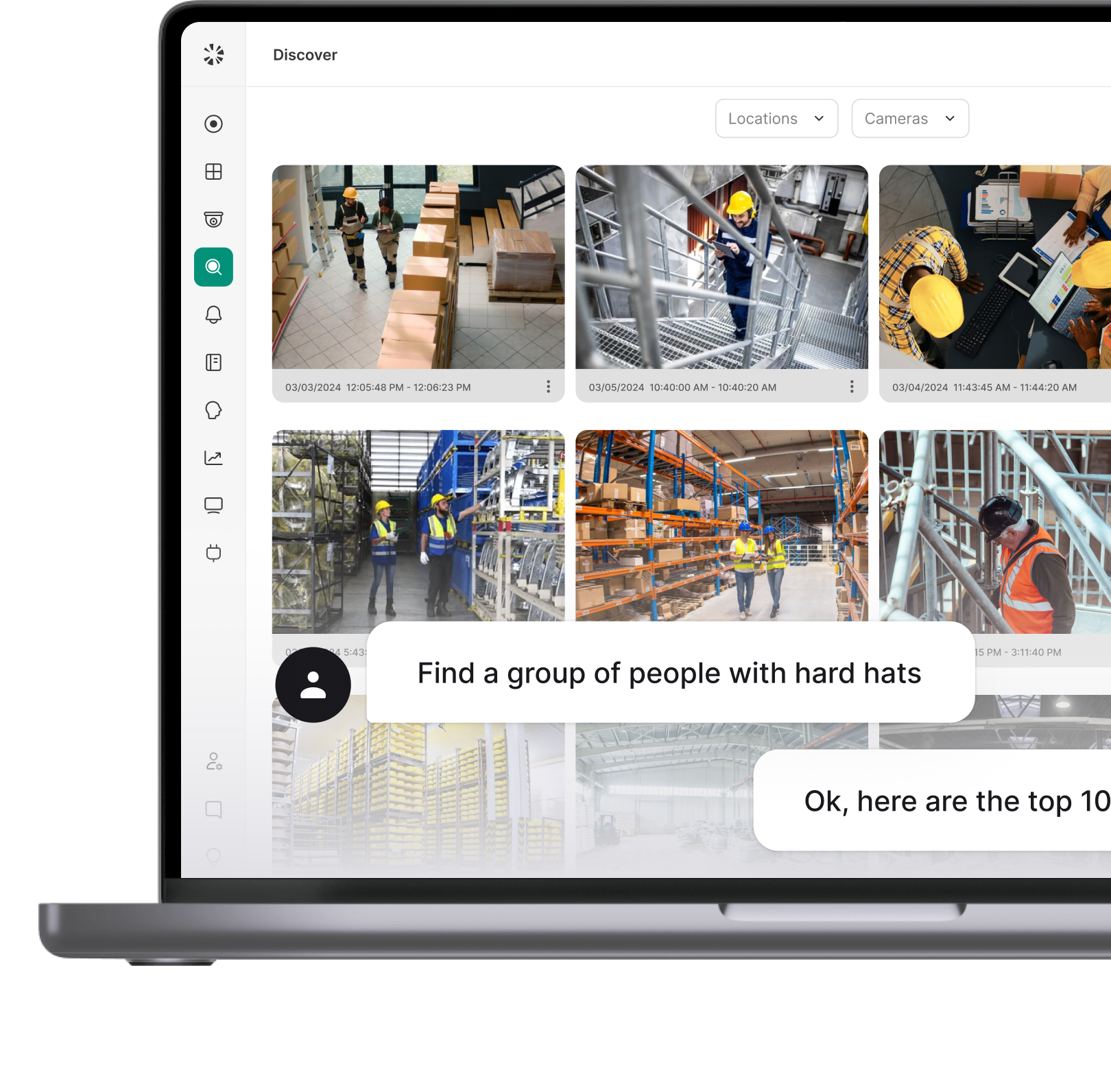
If you want better visibility into how safety systems, integrations, and changes are tracked over time, Coram can support that operational layer helping teams stay organized and audit-ready without adding complexity.




.png)