How a national museum replaced VPNs, Flash, and friction with simple, cloud-based access.
Customer Snapshot
✅ Customer: Poster House
✅ Industry: Museum / Arts & Culture
✅ Use Case: Building security and camera access
✅ Segment: Small cultural institution
“Now we can all just go to this website and log in with a Google account… rather than follow this three-page PDF of how to view the cameras if there’s an emergency.”
For Poster House, the only poster museum in the United States, that shift alone marked a turning point.
Before deploying Coram, the museum’s security system technically worked. But it came with layers of friction that made every task, from regular daily use to emergency response, far harder than it needed to be.
Before Coram: Security That Worked, But Only Barely
Aaron Cohen, Chief Technology Officer at Poster House, oversees everything from cybersecurity and web development to on-site projectors, door systems, and cameras. Many of those systems were installed during the museum’s early planning phase, dating back to 2015.
As they aged, the gaps became obvious.
The camera system ran only on the local network. To check footage remotely, staff had to VPN in. The video feed relied on Flash, which is no longer supported by most browsers; and on mobile, it didn’t work at all.
“You couldn’t even see the cameras,” Cohen said. “You’d have to remote into a laptop or something.”
In a museum environment, where many staff are not deeply technical, that created real risk. Accessing cameras during an incident required training, documentation, and patience the team couldn’t afford when time mattered.
“It was another hurdle just to even show people how to jump through all those hoops to look at the cameras and keep the building safe,” Cohen explained.
The Switch to Coram: Layering, Not Replacing
Cohen had long wanted to modernize security, but every path seemed expensive and disruptive.
“From looking at it in the past, it seemed like it might be a huge undertaking,” he said. Replacing cameras, ripping into walls, upgrading card readers – none of it fit a small team or limited budget.
Coram changed that assumption.
After attending an informational webinar, Cohen realized Coram could layer directly on top of the museum’s existing IP cameras.
“When I saw that you can really just route IP cameras through a new platform in a cloud-based way, I was like, ‘Oh, this could actually be something we could do pretty quickly.’”
The timing aligned. The museum was nearing the end of its fiscal year, with limited remaining budget, and Coram offered a way to modernize without a construction project.
Life With Coram: Simplicity, Access, and Speed
The most immediate improvement was accessibility.
With Coram, camera access moved from VPN tunnels and outdated plugins to a modern web interface that works anywhere, and on any connection, including mobile.
“Just the bare basics of being able to log in from anywhere… and from my phone,” Cohen said, was a major unlock.
Instead of a multi-step emergency guide, staff now have a single instruction: log in.
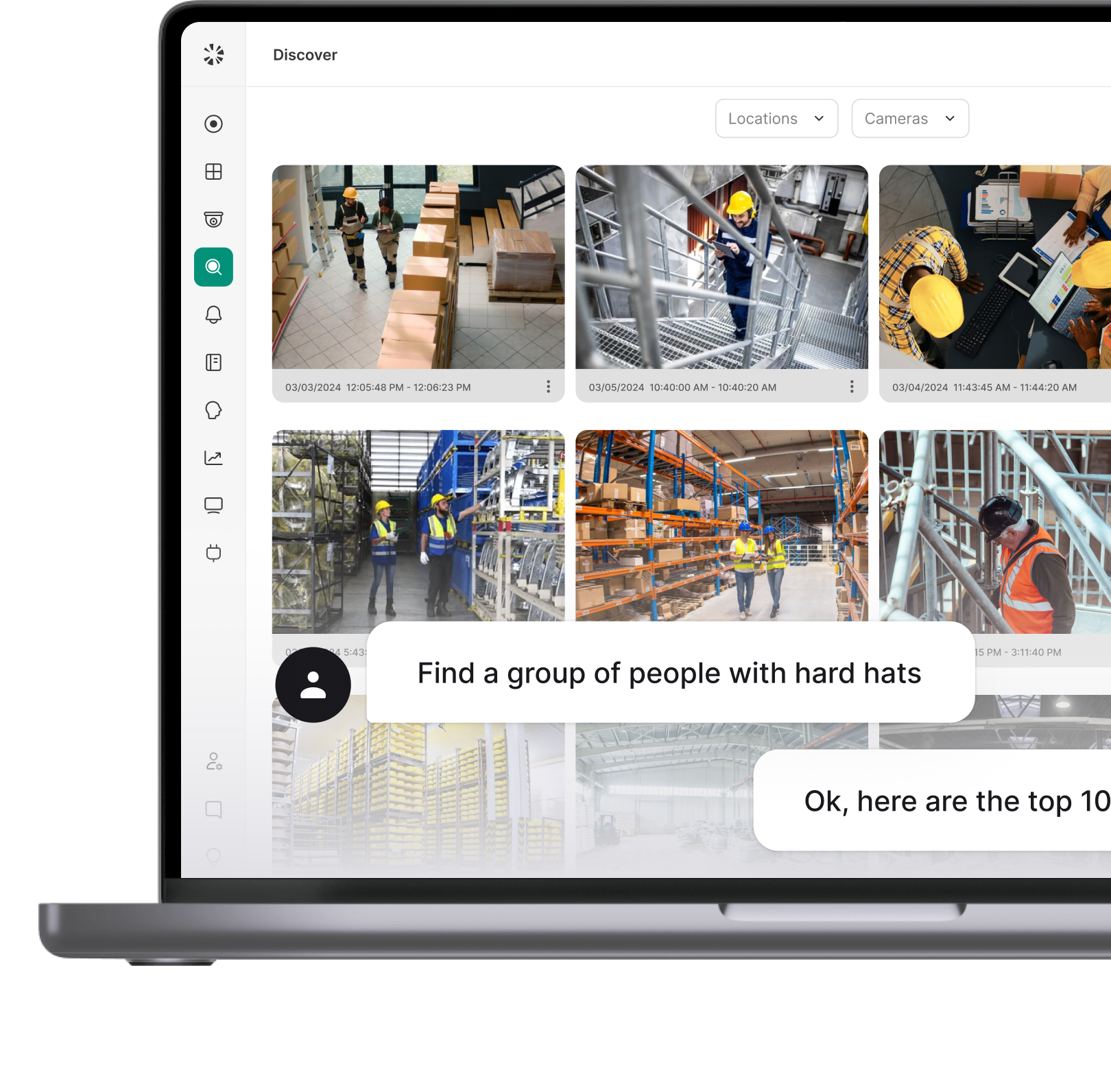
Coram also introduced capabilities the previous system couldn’t support at all: alerts, rules, and AI-driven visibility.
“Being able to set up alerts for safety and for certain people is really useful,” Cohen said. “Being able to click on someone’s face and see the last time they were on site… that’s really useful.”
For Cohen, the value isn’t just advanced features; it’s accessibility.
“Having tech systems that are simultaneously really secure and safe, but also really easy for a range of people to use is really important to protect a business.”
Why Coram?
• Cloud access without VPNs or legacy plugins
• Works with existing IP cameras, no rip-and-replace required
• Mobile-friendly for on-the-go monitoring
• AI-powered alerts and visibility
• Simple login with familiar tools like Google SSO
Recommendation
For organizations that assume modern security requires tearing out walls and replacing hardware, Cohen sees Coram differently. “The real strength of Coram is its ability to add advanced features to the tech that you’re already using,” he said. It’s a practical path forward, especially for smaller institutions that need modern security without enterprise disruption.




.png)