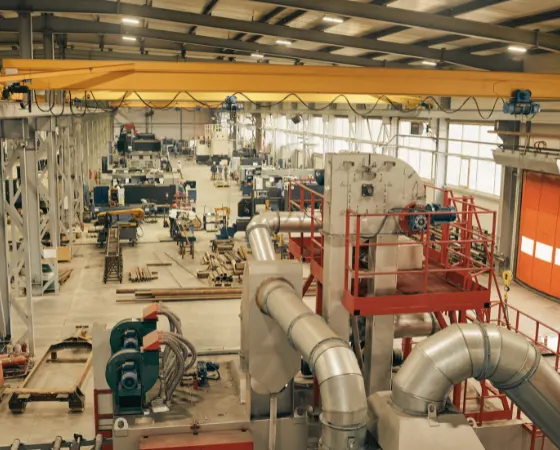
Manufacturing facilities are under constant pressure to keep people safe while meeting production targets, staying compliant, and controlling costs. Heavy machines, hazardous materials, long shifts, and tight deadlines all increase the risk of accidents.
When safety systems fail or are poorly managed, the result is often injuries, downtime, regulatory fines, and damaged trust (both inside and outside the organization). But structured safety management flips the script.
A well-run safety management program helps manufacturers identify risks early, meet regulatory requirements, and integrate safety into everyday operations. In this article, we’ll break down what to look for when choosing the best safety management company for manufacturing in the USA and why the right approach can make a measurable difference on the factory floor.
What is a Safety Management Company in Manufacturing?
A safety management company in manufacturing helps factories and plants create safer, more controlled work environments without compromising production efficiency.
These companies either work as external consultants or support internal safety teams to design, implement, and manage a Safety Management System (SMS) across the entire operation.
An SMS is a structured, company-wide framework consisting of clear policies, processes, and procedures. It spots workplace risks early, assesses how serious they are, and puts the right controls in place before accidents happen.
In manufacturing, that means addressing real, everyday hazards such as heavy machinery, high noise levels, hazardous chemicals, electrical systems, and repetitive tasks.
Key Safety Challenges in Manufacturing Facilities
Manufacturing environments are complex. With people, machines, and materials all moving at once, safety risks can show up in many ways. Below are some of the most common safety challenges manufacturing facilities face.
Equipment & Machine-Related Injuries
Heavy machines are the backbone of manufacturing, but they are also a major source of workplace injuries. Pinch points, rotating parts, sharp edges, and unexpected machine start-ups can cause serious harm if not properly controlled.
Problems often arise when equipment is outdated, poorly maintained, or used without proper training. Even experienced workers can get hurt when safety guards are bypassed or standard procedures are rushed to meet production targets.
Hazardous Materials Handling
Many manufacturing facilities work with chemicals, gases, or other dangerous substances. Exposure can happen through spills, leaks, improper storage, or incorrect handling.
Without clear labeling, safety data sheets, and proper protective gear, workers may not fully understand the risks they face. Over time, this can lead to health issues, environmental damage, and costly regulatory violations.
Contractor and Visitor Safety
Contractors, temporary workers, and visitors often move in and out of manufacturing sites. Unlike full-time employees, they may not be familiar with the facility’s layout, equipment, or safety rules.
This lack of awareness increases the risk of accidents, especially in active production areas. Managing access, providing safety briefings, and monitoring contractor activities are critical but often overlooked parts of a strong safety program.
Shift Work, Fatigue, and Human Error
Manufacturing operations frequently run around the clock. Long shifts, night work, and overtime can lead to fatigue and reduced focus.
When workers are tired, the chances of mistakes increase: it could be skipping a safety step or misjudging a machine setting. Human error, often linked to exhaustion or stress, remains one of the hardest risks to control.
Multi-Site Compliance Consistency
For manufacturers operating across multiple locations, keeping safety standards consistent can be a real challenge. Different sites may interpret rules differently or follow their own processes.
This can lead to uneven safety performance and compliance gaps, especially when OSHA requirements are involved. Without a unified safety system, it becomes harder to track risks, enforce best practices, and maintain the same level of protection across all facilities.
3 Important Criteria to Evaluate the Best Safety Management Company
In manufacturing, where risks are high and compliance matters, choosing the right partner can make a real difference. Here are three key criteria to focus on when evaluating the best safety management company for your facility.
- Deep Manufacturing Safety Expertise
Manufacturing safety is very different from office or retail safety. The right company should clearly understand machine hazards, chemical risks, confined spaces, and high-risk workflows.
Look for a provider with proven experience working in manufacturing environments, not just general safety knowledge. They should be able to identify risks specific to your operations and offer practical solutions that fit how your plant actually runs.
- Strong Compliance and Risk Management Approach
A reliable safety management company should help you stay compliant with safety regulations. This means keeping up with OSHA requirements, conducting thorough risk assessments, and helping you close safety gaps before they become violations or accidents.
The best companies take a proactive approach, using data and inspections to reduce hazardous incidents rather than responding after something goes wrong.
- Ability to Build a Lasting Safety Culture
Safety systems only work when people follow them. A top safety management company goes beyond policies and procedures to help create a culture where safety is taken seriously at every level.
This includes clear training, employee engagement, leadership involvement, and ongoing support. When workers understand why safety matters and feel responsible for it, results improve across the entire facility.
Types of Safety Management Solutions Used in Manufacturing
Manufacturing safety is not handled with a one-size-fits-all approach. Different facilities face different risks, which is why safety management companies offer many solutions designed to work together. Below are some of the most common safety management solutions used in manufacturing environments.
Safety Management Systems (SMS)
An SMS provides the foundation for managing safety across the entire facility. It brings policies, procedures, roles, and responsibilities into one clear framework.
With an SMS in place, manufacturers can identify hazards early, assess risks properly, and apply controls consistently. It also helps align daily operations with OSHA and industry requirements.
Risk Assessments and Hazard Analysis
Regular risk assessments help reveal hidden dangers before they cause harm. This includes machine risk assessments, job safety analyses, and process reviews.
Safety management companies use these tools to evaluate how work is done and where things could go wrong, then recommend practical changes to reduce exposure.
Training and Safety Awareness Programs
Even the best safety plans fail without proper training. Safety management solutions often include onboarding training, refresher courses, and role-specific instruction.
These programs help workers understand safe work practices, use equipment correctly, and respond properly during emergencies.
Incident Reporting and Investigation
When incidents or near misses occur, structured reporting systems help capture what happened and why.
Safety management companies support investigation processes that focus on root causes. This approach helps prevent similar events in the future and supports continuous improvement.
Audits and Compliance Monitoring
Routine safety audits ensure that policies are followed and controls remain effective. These audits help identify compliance gaps, unsafe behaviors, or equipment issues.
Over time, consistent monitoring helps manufacturers stay prepared for inspections and maintain a strong safety record.
How Safety Management Impacts Manufacturing ROI?
Safety management is often seen as a cost, but in manufacturing, it directly affects return on investment. When safety is managed well, the financial benefits show up across operations.
First, strong safety practices reduce workplace injuries and downtime. Fewer incidents mean fewer medical expenses and less time lost to investigations or shutdowns. When machines and people are operational, production stays on track.
Safety management also protects expensive equipment and facilities. Proper procedures, routine inspections, and clear operating rules help prevent damage caused by misuse or unsafe actions. This extends the life of machines and reduces unplanned repair or replacement costs.
There is also a clear link between safety and productivity. When workers feel safe, they are more focused and confident in their tasks. This leads to better output, fewer mistakes, and smoother workflows. Over time, a safer workplace supports higher employee retention, reducing hiring and training expenses.
Finally, effective safety management helps avoid regulatory fines and legal issues. Staying compliant with OSHA and industry standards protects the business from penalties, lawsuits, and reputational damage. Together, these savings add up, making safety management an investment that improves manufacturing ROI rather than draining it.
Final Takeaway
The right safety management company protects people, factory operations, and long-term business performance. In manufacturing, where risks are part of daily work, a strong safety partner makes safety a structured, ongoing process.
The leading safety management providers understand the realities of the factory floor. They combine industry knowledge, clear systems, and practical support to reduce incidents, improve compliance, and create safer working conditions across all sites.
Over time, this leads to fewer disruptions, better productivity, and solid trust between management and employees. As you evaluate safety management providers in the USA, focus on those that align with your operational needs and safety goals.
When safety is managed the right way, it doesn’t slow down manufacturing; it helps the business run stronger, safer, and more sustainably.




.png)