Locked panels in basements, local servers no one wants to touch, and access changes that take days instead of minutes. That setup no longer fits how modern workplaces actually operate.
In 2026, offices are more distributed, more dynamic, and far less predictable. Teams work hybrid. Companies manage multiple sites across cities or countries. Security leaders need visibility now, not after a technician visits the site. That’s why many organizations are moving away from on-prem access control and toward cloud-based systems that can be managed from anywhere.
Cloud access control puts doors, users, credentials, and video under one dashboard. No manual updates. No fragmented systems. Just real-time control that scales as the business grows.
This guide gives a detailed breakdown of Openpath, Kisi, and Coram through a practical lens. No universal winner. Just clear tradeoffs, strengths, and best-fit scenarios to help you choose the right platform for your environment in 2026.
Openpath vs Kisi vs Coram- Each Access Control System Platform Explained
Openpath (Avigilon Alta Access)
Openpath is built around the idea that access control should feel effortless. The system is designed to remove friction at the door by replacing traditional badges with mobile credentials. Employees use their smartphones or wearables to enter, often without needing to stop or interact with a reader.
From a management perspective, Openpath is closely aligned with IT systems.
- Access is controlled through a cloud dashboard and typically connected to identity platforms, making onboarding and offboarding faster and more consistent.
- When users change roles or leave the organization, access updates can happen remotely, without physical reconfiguration or site visits.
Openpath works best in environments where:
- Mobile devices are widely used
- Connectivity is stable
- Access control supports productivity rather than driving security operations
It is commonly deployed in corporate offices, tech companies, and coworking spaces where employee experience and flexibility are key considerations. Cloud updates reduce maintenance effort, which also makes it attractive for organizations managing multiple modern offices.
Kisi
Kisi approaches access control as a practical, IT-managed system that should be easy to deploy, easy to manage, and easy to scale. It treats access control much like any other SaaS tool - clear permissions, clean interfaces, and predictable behavior.
The platform’s strength lies in how naturally it fits into existing IT workflows. Integrations with tools like Google Workspace, Azure AD, and Slack allow access permissions to follow user roles and teams, reducing manual effort and keeping systems aligned. For many organizations, this makes access control feel like an extension of user management rather than a separate security project.
Kisi is well-suited for:
- Startups and growing businesses
- Mid-sized offices
- Teams with limited on-site security staff
Setup is relatively quick, and ongoing management remains straightforward as the organization grows. Kisi provides basic monitoring and alerts, which are sufficient for everyday oversight in low- to moderate-risk environments.
What Kisi is not designed for is complex security operations. It doesn’t aim to provide deep situational awareness, emergency response workflows, or integrated surveillance. Instead, it focuses on reliable, uncomplicated access control that stays out of the way.
Coram
Coram is built for environments where access control needs to do more than unlock doors. It’s designed for organizations that need clarity, reliability, and visibility across their facilities, especially when situations aren’t routine.
Instead of treating access as a standalone function, Coram connects doors, cameras, and alerts into a single system. This approach supports both individual buildings and multi-site operations without adding management overhead.
Coram supports a wide range of access points, including:
- Standard doors, gates, and elevators
- Restricted and specialty access areas
- Single facilities and large, distributed campuses
Because the platform is hardware-agnostic, most organizations can continue using their existing locks and readers, reducing disruption during upgrades or expansion. Access also continues during network or power outages, ensuring operations don’t come to a halt when connectivity is unstable.
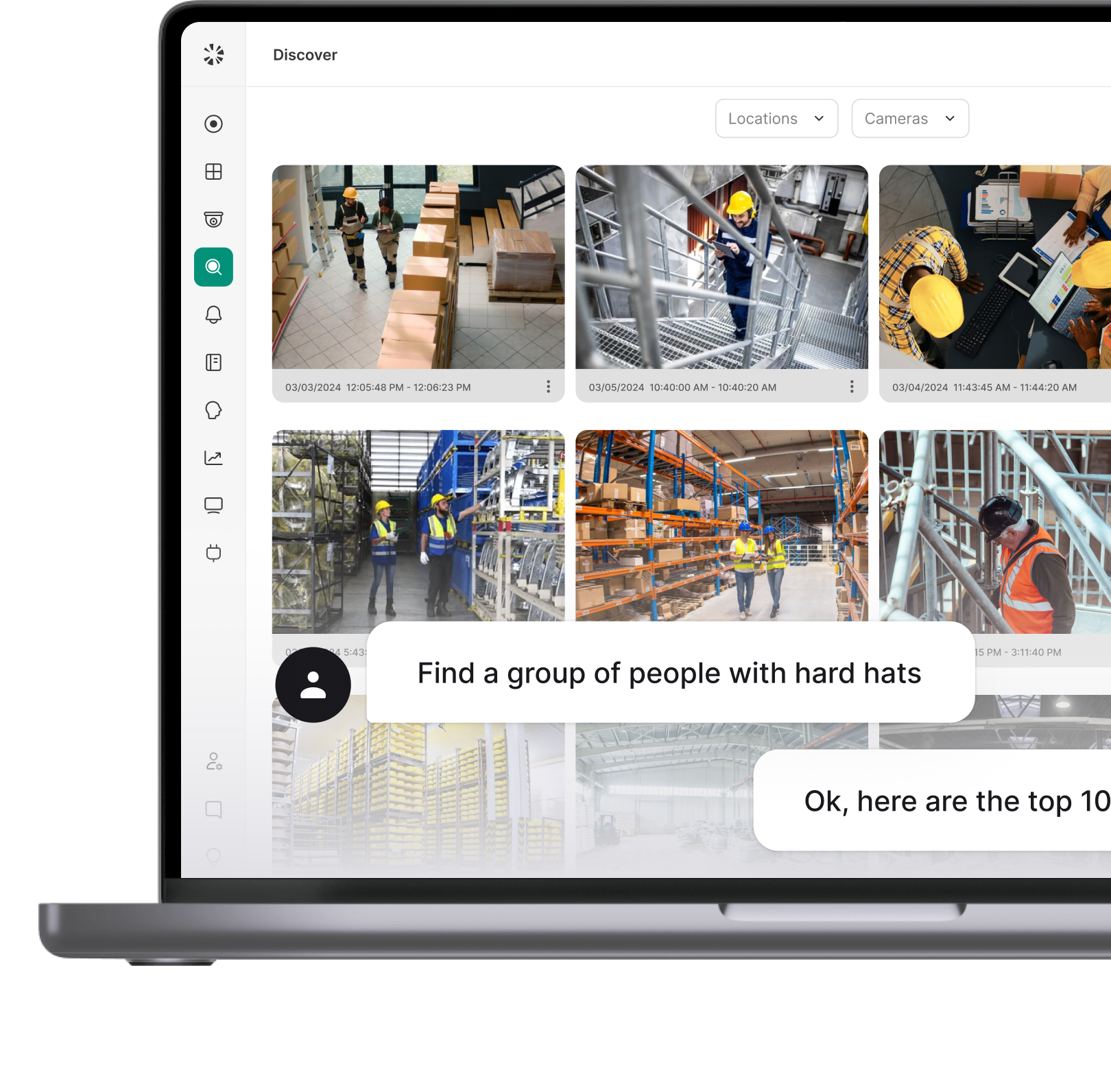
What stands out in daily use is how Coram handles access events. Every unlock, denied entry, forced door, or propped door is automatically paired with video footage from on-site cameras. This gives teams immediate context instead of relying on access logs alone.
From one cloud-based dashboard, teams can:
- Manage users and permissions
- Set access schedules and temporary credentials
- Receive real-time alerts for unusual activity, including tailgating
Coram is commonly used in schools, hospitals, large enterprises, and campus-style environments where access control is closely tied to safety and response. It’s best suited for organizations that expect their access system to support informed decision-making, not just everyday entry.
Openpath vs Kisi vs Coram - Quick Comparison
Core Access Control Capabilities Compared
Deployment Model and Architecture
- Openpath is fully cloud-managed with minimal on-site infrastructure. Controllers and readers connect directly to the cloud, which simplifies deployment but increases dependence on network stability.
- Kisi follows a similar cloud-first architecture, designed for fast rollout and centralized control across locations. It’s popular with teams that want minimal hardware complexity and fast provisioning.
- Coram uses a hybrid cloud model. Core logic runs locally while management, analytics, and visibility live in the cloud. This design reduces single points of failure and supports environments where access must keep working even during outages.
Offline Mode and Fail-Safe Behavior
- Openpath offers limited offline functionality, typically allowing cached credentials for short disruptions.
- Kisi provides basic offline access through controllers, but functionality can be restricted depending on configuration.
- Coram is designed for sustained offline operation. Doors continue to function based on last-known policies, making it suitable for facilities that cannot tolerate lockouts or security gaps.
Multi-Site and Enterprise Management
- Openpath supports multi-site management but works best when sites follow similar policies and user models.
- Kisi scales well for distributed offices and shared workspaces, especially when tied to centralized identity systems.
- Coram is built for complex environments. Administrators can manage thousands of doors across multiple locations, apply site-specific rules, and view activity across the entire footprint from one console.
Visitor and Temporary Access
- Openpath supports guest access primarily through mobile invites and short-term permissions.
- Kisi offers visitor links and temporary access workflows that integrate well with front-desk or IT processes.
- Coram provides more granular temporary access control, including time-bound, location-based, and role-specific permissions for contractors, vendors, and service staff.
Video and Security System Integration
- Openpath integrates with Avigilon Alta video for unified security workflows but is more limited outside that ecosystem.
- Kisi integrates with several third-party video platforms, mainly for event correlation rather than deep investigation.
- Coram natively links access events with live or recorded video from existing cameras, turning door logs into actionable security context without switching systems.
Alerting, Response, and Automation
- Openpath focuses alerts on operational events like door usage and occupancy patterns.
- Kisi provides configurable alerts for repeated access failures or abnormal behavior.
- Coram supports real-time alerts for forced entry, propped doors, tailgating, and unusual access patterns, often paired with video for faster response.
Security, Compliance, and Audit Readiness
- Openpath and Kisi meet standard cloud security requirements and are suitable for general office compliance needs.
- Coram is often used in regulated or high-risk environments where audit trails, visual verification, and detailed access history are required.
Openpath vs Kisi vs Coram: Pros & Cons
Openpath (Avigilon Alta Access)
Pros
- Entry feels effortless. Employees don’t think about doors anymore. Phones or watches unlock automatically, which reduces bottlenecks and everyday friction.
- Low admin fatigue. Once identity systems are connected, access changes mostly take care of themselves.
- Minimal physical clutter. Fewer cards, fewer replacements, fewer “lost badge” issues.
- Consistent experience across sites. Useful for organizations with multiple modern offices.
Cons
- Mobile dependence is real. If phones die, get replaced often, or aren’t allowed in certain areas, exceptions start piling up.
- Security teams may want more context. You know a door was opened—but not always what actually happened around it.
- Less flexible outside its ecosystem. Works best when you stay within the same vendor family.
- Feels office-centric. Not designed for unpredictable or high-risk environments.
Kisi
Pros
- Easy to deploy and manage. Kisi is straightforward from day one. Most teams can set it up and manage it without deep access control expertise.
- Fits naturally into IT workflows. Access permissions often mirror roles in systems like Google Workspace or Azure AD, which keeps user management clean and consistent.
- Scales without becoming complicated. Adding users, doors, or new locations doesn’t introduce heavy planning or reconfiguration.
- Predictable day-to-day operation. Once running, Kisi does what it’s supposed to do with minimal ongoing attention.
Cons
- Limited context during incidents. You know what happened, but not always what was happening around it.
- Not built for high-risk environments. Lacks deeper response and coordination tools.
- Security depth is basic. Works best when access control isn’t a central security function.
Coram
Pros
- Real situational awareness. Access events are tied directly to video, so teams can see what actually happened instead of guessing from logs.
- Built for serious security needs. Lockdowns, alerts, and emergency workflows are part of the platform, not add-ons.
- Reliable under pressure. Access continues even during network or power issues, which matters in healthcare, education, and large facilities.
- Works with existing hardware. Supports most locks and readers, helping reduce large-scale replacement costs.
- Strong centralized visibility. Multiple doors and sites can be monitored from one place with consistent rules.
Cons
- More to configure and manage. The depth that makes Coram powerful also requires planning and ongoing attention.
- Needs clear ownership. Works best when a security or operations team actively manages access and response.
- Not ideal for low-risk offices. For small or simple environments, the platform may offer more than is necessary.
- Onboarding takes time. Teams need to learn how to use the system effectively to get full value.
Feature Comparison Matrix
Final Verdict
Cloud-based access control has moved well beyond replacing keycards. In 2026, it’s about remote management, scalability, resilience, and how access control fits into broader IT and security operations. The shift to the cloud allows organizations to manage users across locations, respond faster to change, and reduce on-site overhead, but the value depends on how the system is used.
And when we compare all 3 of these, there’s no single “best” cloud access control system, only the one that fits how your organization actually operates.
- Openpath works well for modern workplaces that value smooth, mobile-first entry and low operational friction.
- Kisi suits teams that want access control to stay simple, IT-managed, and easy to scale without added complexity.
- Coram stands out in environments where access control is closely tied to safety, visibility, and response across multiple sites.
The right choice isn’t about features anymore, but about how critical access control is to your daily operations and risk posture.




.png)