%20(49).webp)
PPE compliance plays a defining role in preventing serious incidents, and the numbers prove it. A deep-learning study published in MDPI reported that 85% of inspected fatal construction cases involved missing PPE, highlighting how critical real-time visibility is on any high-risk site. AI-powered PPE detection brings that visibility to every shift by identifying violations the moment they happen.
This article covers:
- What PPE detection is and how AI enhances accuracy
- Key benefits and practical use cases across hazardous environments
- How automated alerts and video analytics strengthen safety programs
Let’s look at how automated PPE monitoring creates safer, more compliant worksites.
What is PPE detection?
PPE detection is an AI-driven safety technology that automatically verifies whether workers are wearing the required Personal Protective Equipment in any monitored area.
Instead of relying on manual supervision, the system analyzes live video feeds to recognize helmets, vests, gloves, masks, goggles, and other protective gear and instantly flags when something is missing or worn incorrectly. This allows teams to respond before a minor lapse turns into a serious incident.
AI-powered PPE detection works by:
- Capturing video from existing CCTV or IP cameras across the site
- Using deep-learning computer vision models to identify people and check for required PPE items
- Detecting violations in real time, whether someone removes PPE, enters a restricted zone without it, or wears it improperly
- Triggering instant alerts to safety personnel through dashboards, SMS, email, speakers, or integrated systems
By automating PPE monitoring, organizations gain continuous visibility across large, complex environments, something manual checks alone can’t provide.
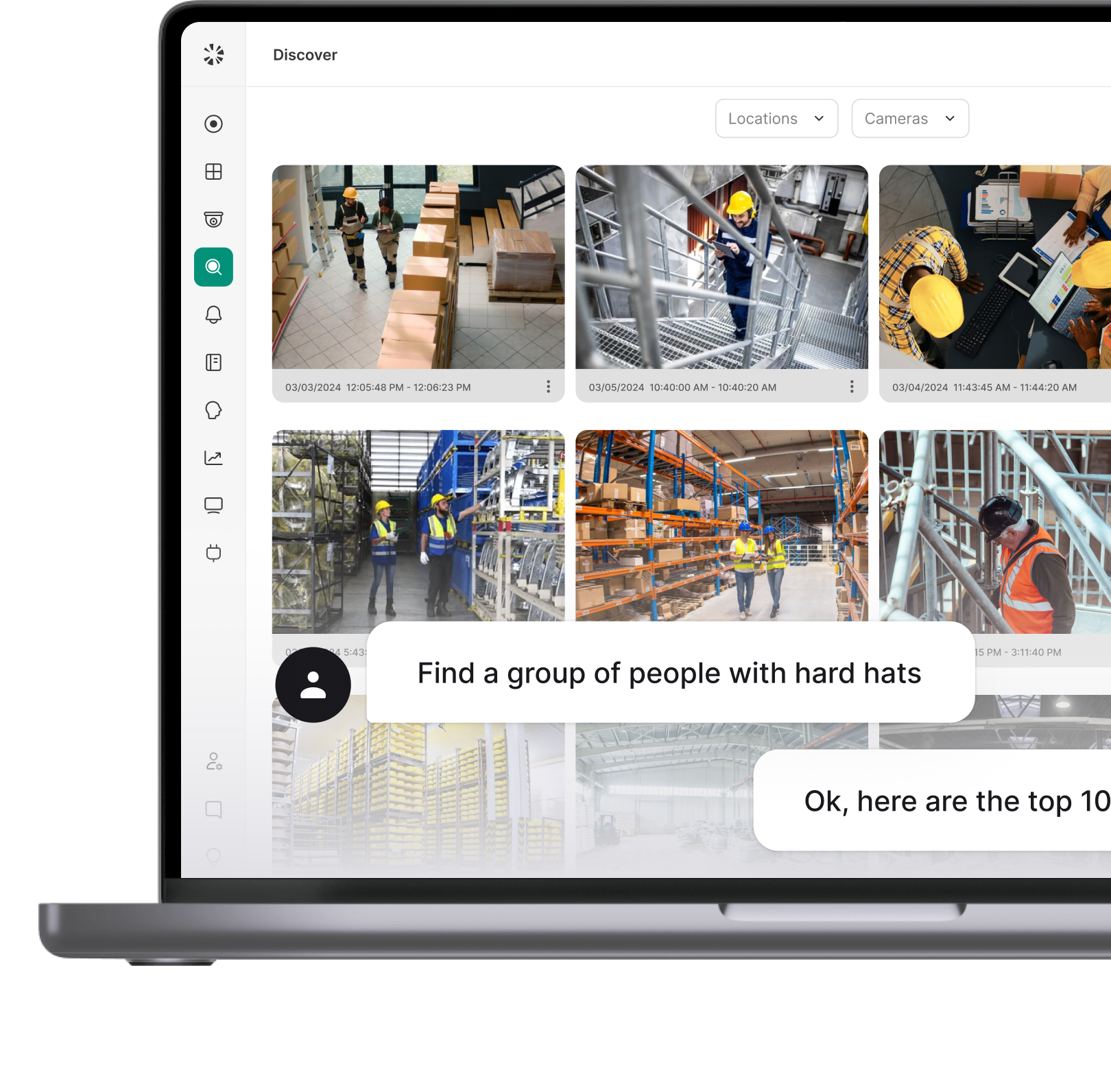
How Coram’s PPE Detection Technology Improves Safety and Compliance?
Traditional safety monitoring relies heavily on manual supervision, periodic inspections, and human vigilance. That model simply can’t keep pace with fast-moving worksites where risks change by the minute.
Coram takes a different approach, one built for real-time visibility, continuous oversight, and automated compliance using AI-powered video analytics.
Here’s how Coram brings a modern, proactive layer of safety to every facility:
1. Continuous monitoring across your entire site
Before you can enforce PPE compliance, you need uninterrupted visibility into where violations are happening. Coram makes this possible by transforming your existing IP cameras into real-time safety monitors no need for new hardware or infrastructure upgrades.
The platform analyzes live video feeds to detect helmets, vests, masks, gloves, or other required PPE as workers move through different zones. It runs 24/7 without fatigue or bias, ensuring no shift, no blind spot, and no work area is overlooked.
Why does this matter?
Consistent compliance requires consistent oversight. Coram’s always-on monitoring eliminates human error and closes the visibility gaps that lead to missed violations and preventable incidents.
2. Real-time alerts that trigger immediate action
Detection is only useful if action follows, and Coram ensures that happens within seconds.
Here’s how Coram handles a PPE violation:
These alerts are designed to be fast, precise, and actionable, enabling supervisors to intervene before the situation escalates.
Why does this matter?
Safety isn’t just about knowing a violation occurred; it’s about knowing in time to prevent exposure. Coram’s rapid alerting ensures there’s no lag between detection and response.
3. Identifying compliance patterns to reduce risk
Monitoring PPE is only part of the equation. The bigger challenge is understanding why violations keep happening.
Coram automatically logs every safety event with time-stamped video evidence, creating a clear record of repeated behaviors, high-risk zones, or shifts where compliance drops. Safety teams can then evaluate:
- Which areas experience the most PPE violations
- Whether certain tasks or roles are prone to lapses
- How compliance trends change across days, weeks, or seasons
If data shows frequent violations in a specific zone, it may indicate unclear signage, equipment placement issues, or a need for retraining.
Why does this matter?
You can’t fix what you can’t measure. Coram’s analytics help teams move from reactive corrections to proactive prevention.
4. Automating compliance documentation and reporting
Once violations are detected, someone must document them for audits, OSHA requirements, or internal reporting. Coram automates this process through built-in event logs and video evidence, eliminating the manual labor of creating compliance records.
This means:
- Every incident is automatically captured and stored
- Reports are always audit-ready
- Safety teams spend less time on paperwork and more time improving on-ground practices
Why does this matter?
Documentation is often the most time-consuming part of compliance. Automating it ensures accuracy, transparency, and continuous readiness for regulatory reviews.
With Coram’s AI-powered approach to PPE detection, teams gain an automated, intelligent way to enforce compliance. One that provides real-time visibility, rapid response, accurate documentation, and ongoing insights, not occasional supervision or reactive correction.
It’s a system where PPE compliance isn’t left to chance; it’s continuously monitored, measured, and improved.
What are the benefits of PPE detection?
AI-powered PPE detection replaces periodic supervision with continuous, automated visibility, making safety easier to enforce and far more consistent. By monitoring PPE compliance in real time, organizations reduce incidents, strengthen safety culture, and gain the data needed to prevent repeat violations.
Here’s how modern PPE detection improves safety and operational efficiency:
1. Strengthens workplace safety with real-time visibility
PPE detection systems continuously analyze camera feeds to verify that workers are wearing required gear such as helmets, vests, goggles, masks, and gloves. When something is missing or worn incorrectly, the system identifies it instantly.
Why it matters:
Accidents escalate quickly when PPE lapses go unnoticed. Immediate detection and rapid notifications dramatically shorten the exposure window, helping teams intervene before a risk becomes an incident.
2. Reduces human error with automated monitoring
Manual supervision is limited because people get tired, shift coverage fluctuates, and blind spots appear. AI doesn’t.
PPE detection operates 24/7 across every monitored area, providing a level of consistency that human oversight simply can’t match. It ensures:
- No missed violations
- No supervision gaps
- No reliance on periodic walkthroughs
Why it matters:
Automation creates a safer baseline by removing the variability that comes with manual monitoring.
3. Improves efficiency and lowers operational costs
By automating compliance checks, organizations free safety teams from constant surveillance tasks. Instead of spending time monitoring cameras or walking the floor, managers can redirect their focus to training, hazard reduction, and long-term safety improvements.
Over time, this leads to:
- Lower labor and supervision costs
- Fewer incident-related expenses
- Reduced workers’ compensation claims
It creates a safer workplace that is also a more cost-effective one, especially in high-risk industries where non-compliance can be expensive.
4. Delivers data-driven insights for better compliance
Every PPE violation is logged with timestamps and video evidence, enabling deeper analysis of where compliance breaks down. This helps teams identify:
- High-risk zones
- Repeated behaviors
- Shifts with low compliance
- Patterns that indicate training or process gaps
Better data leads to better decision-making. Safety programs become proactive, not reactive.
5. Supports smoother, more accurate audits
PPE detection systems automatically store detailed violation records and evidence, simplifying internal reporting and regulatory compliance. When audits happen such as OSHA or otherwise, teams have verifiable data ready to go.
Accurate documentation reduces administrative burden and improves compliance posture across the board.
With automated PPE detection, organizations gain continuous situational awareness, faster response times, stronger compliance, and safer operations, all without adding more manual work to already stretched teams.
Where PPE Detection Technology Can Be Used
PPE detection adds the most value in environments where hazard exposure, movement, and operational complexity make manual monitoring unreliable.
Below is a quick map of where AI-powered detection delivers the strongest impact.
1. Dynamic, High-Movement Sites → Construction
Common Risks: Falling objects, equipment movement, elevated work
Critical PPE: Hard hats, vests, gloves, harnesses
Construction sites shift daily, such as new crews, new zones, and new hazards. PPE detection gives supervisors real-time visibility across scaffolding, entry gates, and heavy machinery areas, ensuring workers remain protected as the site evolves.
2. Machinery-Heavy Indoor Environments → Factories & Warehouses
Common Risks: Conveyor belts, forklifts, noisy equipment, sharp tools
Critical PPE: Safety glasses, gloves, hearing protection, steel-toe boots
Automated detection helps maintain PPE consistency in fast-paced environments where people rotate through stations and where supervisors can’t always see every violation.
3. Hazardous, Low-Visibility Work Zones → Mines
Common Risks: Airborne dust, unstable surfaces, low lighting
Critical PPE: Helmets, respirators, high-visibility clothing, protective boots
Mining operations benefit from AI because visibility is limited and the environments are too vast for manual oversight. PPE detection ensures miners stay protected during both underground and surface activities.
4. High-Sensitivity Chemical Handling → Laboratories & Chemical Plants
Common Risks: Chemical splashes, vapors, high-heat reactions
Critical PPE: Goggles, face shields, gloves, lab coats, respirators
AI ensures compliance with strict zone-specific PPE rules before workers interact with chemicals or operate specialized equipment, reducing the likelihood of exposure incidents.
5. Hygiene-Critical Production Lines → Food Processing Plants
Common Risks: Contamination, cold storage hazards, machine contact
Critical PPE: Hair nets, gloves, aprons, masks, protective footwear
The system supports both worker safety and sanitation requirements by detecting missing PPE in real time across production, packaging, and storage areas.
How AI Improves Construction Safety Compliance?
Construction safety has long depended on manual supervision, such as walkthroughs, checklists, and reactive enforcement. These methods were designed for a world where hazards were easier to isolate, and work sites moved at a slower pace.
But today’s construction environments are dynamic, distributed, and constantly shifting. What was once manageable through human oversight alone has become increasingly difficult to control.
As sites grew more complex, the role of AI began to change the safety equation.
Today, AI is becoming a foundational safety control. It’s no longer just a tool for detecting PPE violations; it’s a continuous monitoring layer that strengthens compliance, reduces risk exposure, and provides the real-time visibility supervisors never had access to before.
Here’s how AI stepped up to this strategic role:
- Visibility beyond visual checks: Manual observation captures moments; AI captures patterns. AI-powered PPE detection offers continuous, real-time visibility across the entire job site, such as scaffolds, entry points, machinery zones, and high-risk areas. It identifies workers, recognizes required PPE, and flags violations instantly. This level of visibility simply wasn’t possible with periodic walks or camera monitoring alone.
- Continuous, risk-aware enforcement: Instead of relying on supervisors to spot violations, AI enforces compliance the moment a lapse occurs. Missing helmets, gloves, vests, or harnesses trigger immediate alerts to site managers, reducing the time a worker is exposed to danger. This replaces the reactive, after-the-fact correction cycle with ongoing, proactive enforcement.
- Bridging field operations and safety teams: AI gives both on-ground supervisors and safety managers access to the same real-time information. Whether teams are in the field or off-site, they receive consistent alerts, data, and evidence. This shared visibility ensures alignment across contractors, shifts, and zones, critical for sites where multiple teams operate under different supervisors.
- Reducing incident risk and unsafe behaviors: By monitoring PPE continuously, AI helps eliminate the silent buildup of risk that often precedes major incidents. It identifies recurring hotspots, unsafe patterns, and non-compliance trends before they escalate. Over time, this reduces the likelihood of falls, struck-by incidents, electrocutions, and other hazards tied to missing PPE.
- Accelerating audit readiness and documentation: AI automatically logs every violation, creating a verifiable, time-stamped trail of safety events. This simplifies reporting for inspections, insurance claims, and regulatory audits. Instead of scrambling to gather manual records, teams have complete digital evidence ready when needed.
- Scaling compliance across complex sites: As construction phases progress and site layouts change, AI scales with them. It adapts to new zones, updated PPE requirements, and expanded footprints without adding monitoring burden to supervisors. Whether a project has 20 workers or 2,000, AI ensures consistent enforcement across the entire environment.
Smarter Safety Starts With Real-Time Vision
AI-powered PPE detection shifts construction and industrial safety from reactive supervision to continuous, proactive protection. And once you see how automated monitoring closes compliance gaps, the path forward becomes clear.
Key takeaways worth keeping close:
- Real-time PPE detection reduces unnoticed violations by monitoring every zone continuously, even when conditions, teams, and site layouts change throughout the day.
- Automated alerts help teams respond before exposure becomes an incident, strengthening safety programs without adding manual workload to already stretched supervisors.
- Data-driven insights reveal patterns such as high-risk areas, repeat behaviors, and compliance trends, helping safety leaders address root causes, not isolated moments.
- Scalable AI monitoring ensures consistent enforcement across contractors, shifts, and expanding project phases, something manual oversight alone can’t guarantee.
If closing safety gaps faster and with less manual effort is on your agenda, Coram gives you the real-time visibility and automated compliance you need to protect every shift, every zone, every day.




.png)