%20(47).webp)
Vaping has reshaped the landscape of youth health and school safety in America, with e-cigarettes remaining the most commonly used tobacco product among middle and high school students.
According to studies by the CDC and FDA, in 2024 over 1.63 million (5.9 percent) students reported using e-cigarettes, with nearly 88 percent choosing flavored varieties that are especially appealing to teens.
{{cta-component}}
Even more troubling for schools, more than a quarter of these young users reported vaping daily, and many have already tried and struggled to quit. As a result, classrooms, restrooms and locker rooms have increasingly become front-line environments in the vaping crisis.
This ongoing situation has fueled a wave of lawsuits accusing JUUL Labs of targeting minors and downplaying nicotine risks. As of 2025, JUUL has paid over 1 billion dollars in settlements to states, school districts and individuals harmed by its marketing and products.
This JUUL Class Action Lawsuit guide is created for schools and districts. From understanding eligibility and deadlines to reviewing payout figures and the steps required to take action, keep reading to learn how the JUUL settlement process impacts your school and the safety of your students.
What is the JUUL Lawsuit About?
The JUUL class action lawsuit focuses on claims that JUUL Labs deliberately marketed e-cigarettes to minors, contributing to a nationwide increase in youth vaping. Beginning in 2015, JUUL used youth-centered advertisements, social media influencers and flavored products that many believe were designed to attract teenagers.
{{cta-pop-up-component}}
Plaintiffs include individuals, school districts, parents and state governments who allege the company misrepresented the safety of its products, minimized the risk of nicotine addiction and failed to warn users of health consequences.
As youth vaping increased, schools experienced significant challenges that affected both student well-being and day-to-day operations. Administrators reported disruptions to learning, increased supervision needs and more students requiring counseling or addiction support.
In 2019, the growing number of lawsuits was combined into a single Multidistrict Litigation (MDL) in the United States District Court for the Northern District of California. The objective of these lawsuits is to hold JUUL accountable for its role in the youth vaping crisis and to recover costs related to health impacts, prevention measures and the burden placed on schools.
JUUL Lawsuit Settlement: What Has Been Decided
Total Value of Settlements for Individuals, Schools and Government Entities
The JUUL class action lawsuit settlement marks a major turning point in how the country addresses youth vaping in schools and communities. After years of legal action, JUUL Labs and its former investor Altria agreed to pay more than 2 billion dollars to resolve thousands of lawsuits filed by individuals, school districts and government entities. These cases accused the companies of fueling a nationwide youth vaping epidemic through targeted marketing and misleading information about nicotine risks.
For schools, the settlement represents more than financial compensation. It provides an opportunity to respond to the challenges educators have faced due to the rise in e-cigarette use among students. Districts across the United States are using settlement funds to invest in prevention programs, intervention support and technology that detects vaping on school property.
In California, the Lincoln Unified School District used JUUL settlement funding to purchase vape detection systems. Within months, schools were able to identify multiple incidents of student vaping, creating a clear deterrent for future activity.
In New York, Monroe County and Rochester area schools are scheduled to receive 7.4 million dollars to support education and prevention initiatives focused on youth vaping.
In Virginia, Fairfax County Public Schools received 3.2 million dollars and began rolling out safety enhancements that include vape detection in restrooms, panic alert systems and weapons screening technology.
Timeline Of Key Legal Decisions And Deadlines
- June 2021 - JUUL agrees to pay $40 million to North Carolina in the first state-level settlement over youth marketing and sales practices.
- September 2022 - JUUL agreed to a $440 million settlement with 33 states and Puerto Rico, a multistate deal addressing allegations over JUUL’s advertising and product design appealed to teenagers, fueling a youth vaping epidemic.
- December 2022 - The first global settlement was announced, covering about 5,000 cases in the MDL (multidistrict litigation) for approximately $1.2 billion. This includes personal injury, class action, government entity claims, and suits from school districts and local governments.
- January 2023 - A California judge approves a $255 million class action settlement resolving deceptive marketing claims.
- March 2023 - JUUL agrees to pay $23.8 million to the City of Chicago for deceptive marketing and sales to underage users.
- May 2023 - Altria Group, a major JUUL investor, agreed to a $235 million settlement covering at least 6,000 state and federal lawsuits. This included thousands of personal injury cases, economic class actions, and government entity claims, including approximately 1,400 school district lawsuits brought together for efficiency in the federal MDL process.
- March 2024 - Final court approval granted for the second class-action settlement, including $45.5 million from Altria, resolving remaining claims.
- June 2024 - JUUL and Altria entered into a confidential settlement with several Native American tribal entities, resolving claims specific to tribal communities. That same month, the FDA announced it would reverse its 2022 ban on JUUL products, stating it would review updated scientific evidence and legal arguments presented by JUUL.
- July 2024 - Judge William Orrick issues orders to manage new and existing tribal plaintiffs; proceedings for these litigants are stayed until further notice.
- October 18, 2024 - The Court approves the JUUL and Altria settlements, and payments begin to eligible class members.
- February 5, 2024 - Deadline to submit a claim for a settlement payment or to opt out of the settlement class.
- February 6, 2024 - Deadline to file objections to the settlement.
- December 23, 2024 - Deadline to submit disputes regarding settlement payments.
Recent Updates For 2025
- March 2025 | Major Legal Victory - The U.S. International Trade Commission (ITC) terminated Altria’s patent action against JUUL Labs, ending a major dispute over e-vapor product patents. Earlier in January, the ITC protected JUUL’s American patents, ruling that Altria’s NJOY ACE products infringed on four JUUL patents.
- March 2025 | Settlement with Florida - JUUL Labs reached a $79 million settlement with the State of Florida. As part of the agreement, JUUL must adhere to strict marketing restrictions—including not targeting children, not using models under age 35, and avoiding advertising in media with significant youth audiences. $30 million will fund the Vape Free Florida Fund to enforce nicotine and vaping laws.
- April 2025 – Board Appointment - JUUL Labs appointed Priya Singh to its Board of Directors, signaling ongoing changes in company leadership.
- April 11, 2025 - The settlement Administrator sends requests for additional documentation to claimants if needed.
- May 2, 2025 - Final deadline to submit any additional documentation to substantiate a claim.
- June 2025 - The JUUL multidistrict litigation (MDL 2913) in the Northern District of California under Judge William Orrick has seen significant progress. Approximately 4,700 JUUL class action lawsuits have been settled, reducing the number of active claims in the MDL to just 46. Most legal partners are no longer accepting new claims, and the litigation has moved into the final stages, with only a handful of cases still pending resolution.
- Ongoing Lawsuit Settlements - As of June 2025, JUUL has settled more than $1 billion in vape lawsuits with 48 states and territories. The company’s largest payout is $462 million to seven states and territories. School districts continue to file new lawsuits, and JUUL still faces active multidistrict litigation in California.
- Market and Regulatory Developments - JUUL continues to respond to new FDA and state regulations, including statements on proposed rules to cap nicotine in cigarettes and ongoing efforts to address underage vaping.
As these cases proceed, future JUUL settlements will likely shape how schools, local governments, and public health agencies respond to vaping. The outcomes may set new standards for marketing, product warnings, and industry accountability while providing resources for prevention and education programs in affected communities.
How Coram Security Systems Support JUUL Settlement Goals for Schools?
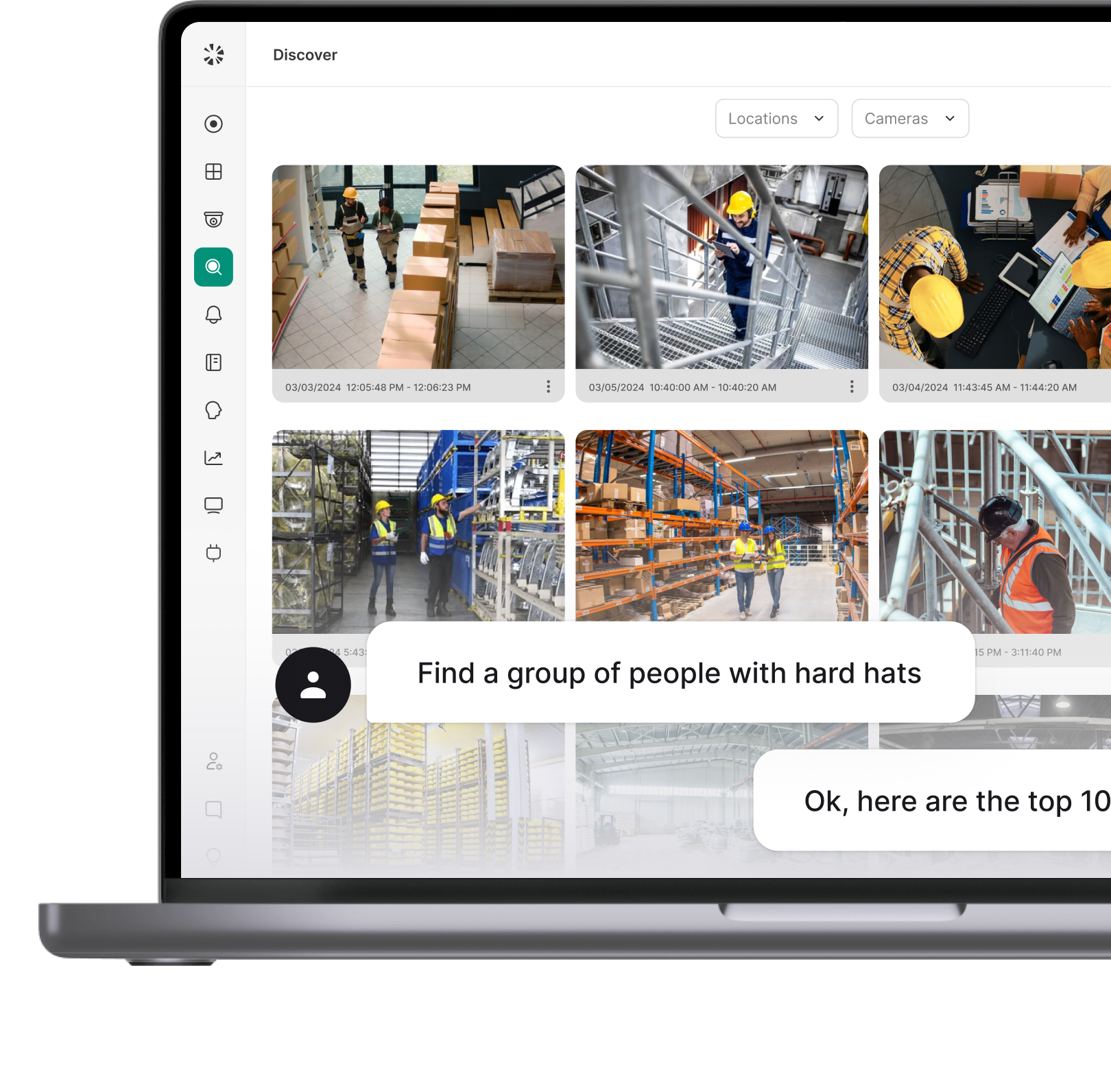
Coram’s security camera systems can support the goals of JUUL settlement funding by helping schools monitor key areas, strengthen supervision and respond more efficiently to vaping related behavior.
While cameras are never placed in restrooms or locker rooms, AI assisted video monitoring in hallways, entrances and common areas can provide useful context and documentation when incidents occur. When paired with vape detection technology and prevention programs, these tools help create a safer, more accountable school environment.
How Schools Can Leverage JUUL Settlement Funds to Combat Vaping
The JUUL settlement has given schools a rare opportunity to respond to the vaping crisis in a strategic and forward facing way. With dedicated funds now available, school districts can implement targeted solutions that address prevention, early detection, and support for students who may already be struggling with nicotine dependence. How each district chooses to allocate these dollars will shape the long term impact on campus culture, student well-being and community trust.
1. Strengthen Prevention and Education Programs
Settlement funds allow schools to expand education focused on the risks and realities of vaping. By developing curriculum modules, integrating classroom lessons and hosting informational sessions, schools can ensure students receive accurate and practical knowledge. Prevention campaigns can also include visible awareness materials, peer ambassador programs and parent engagement initiatives that reinforce consistent messaging across the school community.
2. Implement Detection and Early Intervention
Vaping often occurs in areas where supervision is limited, which makes early detection a key factor in reducing use on school property. Settlement funds can be used to install vape detection systems, adopt real time alert tools and track high risk locations. With actionable data, schools can respond quickly, identify patterns and support intervention efforts before behavior escalates or becomes habitual.
3. Create Student Support and Counseling Pathways
Nicotine addiction affects student learning, attendance and mental health. Using settlement funds to establish or expand counseling programs provides students with a judgment free space to seek help. Schools may offer one on one counseling, small group support, or access to specialists who understand adolescent addiction. Intervention that focuses on support rather than punishment reflects the health-centered approach that many districts are now pursuing.
4. Invest in Staff Training and Professional Development
Teachers, administrators and support staff are often the first to notice changes in student behavior. Training can help staff recognize signs of vaping, understand addiction related responses and engage students in constructive conversations. Professional development also prepares principals and deans with clear protocols for responding to incidents in a way that balances discipline with support.
5. Build Community and Parent Partnerships
Vaping prevention is strongest when it extends beyond the school building. With settlement funding, districts can collaborate with local health departments, youth organizations and counseling providers to create community wide programs. Parent workshops, informational series and shared resource libraries help families stay informed and prepared to guide their children through conversations about vaping and addiction.
6. Modernize School Safety and Monitoring Systems
Many schools are choosing to apply settlement resources toward broader safety improvements that support a healthier environment overall. Upgrading outdated security infrastructure, improving campus visibility and adopting modern monitoring tools can create safer spaces and reduce incidents connected to vaping, bullying and unauthorized entry.
Final Takeaway
The JUUL settlement represents an important opportunity for schools to respond to the youth vaping crisis in a meaningful and well supported way. With dedicated funding available, districts can invest in prevention, early detection and student centered intervention that reduces vaping incidents and strengthens the overall learning environment. By applying these resources toward education, counseling, staff training and modern safety technology, schools can create a healthier and more secure campus for every student. The settlement signals a shift toward greater accountability and provides schools with the tools needed to build long term solutions that protect student well-being and reinforce a safe, vape free community.
FAQ




.png)