.webp)
- How confident are you that only the right people can walk into your building today?
- If a badge is lost, a contractor is offboarded late, or a door is left open, do you actually know fast enough to stop a problem before it escalates?
The global physical access control market has reached $10.8 billion, a clear sign that businesses are investing heavily in smarter, cloud-enabled security controls as part of broader risk management strategies. Yet many workplaces still rely on informal rules, spreadsheets, or outdated badge lists instead of a clear physical access control policy.
That’s risky, especially when 34% of breaches involve internal actors who already have some level of access. The real issue often isn’t hackers breaking in, but access that was never reviewed, revoked, or clearly defined.
A physical access control policy turns guesswork into defined rules, and in 2026, it’s the foundation for security, compliance, and operational consistency.
This guide shows how to build a practical, audit-ready physical access control policy, one that protects people, spaces, and sensitive information without slowing everyday work.
What is a Physical Access Control Policy?
A physical access control policy is a written framework that defines how people move through your physical spaces. It answers a few critical questions clearly and consistently:
- who can enter your facilities,
- which areas they’re allowed to access,
- when access is permitted, and
- how that access is granted, monitored, and revoked.
At its core, the policy turns everyday access decisions into formal rules. Instead of relying on informal approvals, outdated badge lists, or tribal knowledge, it documents access expectations in one place.
Most physical access control policies are built on the principle of least privilege. People receive only the access they need to do their job, nothing more. A facilities manager may need broad building access, while a contractor may only need temporary entry to a specific floor during defined hours. The policy explains how those decisions are made and enforced.
The policy also works hand-in-hand with physical access control systems (PACS). These systems may include card readers, mobile credentials, biometrics, or QR-based visitor access. While the technology controls the door, the policy defines the rules behind it. It specifies credential types, approval workflows, logging requirements, and how access is reviewed or removed when roles change.
A well-defined policy supports more than security. It helps organizations:
- Apply access rules consistently across locations
- Maintain clear audit trails for standards like SOC 2, ISO 27001, or GDPR
- Reduce insider risk by limiting standing permissions
- Respond faster during incidents or emergencies
- Scale access management as teams and sites grow
Who Needs an Access Control Policy?
A physical access control policy isn’t only for high-security environments. Any organization that manages people, property, or sensitive spaces benefits from clearly defined access rules. If multiple individuals need different levels of access and those needs change over time, a formal policy becomes essential.
Healthcare, Research & Regulated Facilities
These environments manage sensitive people, data, and materials where mistakes carry serious consequences.
- Hospitals and clinics use access policies to separate public areas from patient wards, pharmacies, and labs while allowing staff to move quickly.
- Research and R&D facilities rely on strict access controls to protect intellectual property, experimental data, and regulated materials.
- Regulated facilities depend on auditable access policies to meet compliance, enforce clearance levels, and support inspections.
Education Campuses & Training Institutions
Schools, colleges, and universities balance openness with safety. Access control policies define who can enter buildings after hours, how visitors are handled, and how access changes during emergencies. Clear rules reduce confusion and support faster, more coordinated responses.
Hospitality, Gyms & Membership-Based Properties
These environments manage constant turnover and shared spaces, which makes access drift one of the biggest risks.
- Hotels rely on access policies to clearly separate guest access from staff-only and back-of-house areas, and to automatically expire credentials at checkout.
- Gyms and fitness centers use access rules to enforce member-only entry, time-based access, and subscription validity without manual oversight.
- Hospitality venues depend on policies to manage rotating staff, third-party vendors, and peak-hour traffic without creating security gaps or friction for guests.
Office Buildings & Corporate Campuses
Modern offices are no longer static workplaces with fixed schedules.
- Access control policies help manage hybrid employees, contractors, and visitors whose access needs change frequently.
- Clear rules prevent former employees or vendors from retaining access after role changes or offboarding delays.
- Policies also support consistency across floors, buildings, and regions, reducing tailgating risks and enforcement gaps in multi-site portfolios.
Government & Public Sector Facilities
Public sector environments operate under higher accountability and scrutiny. Access control policies define clearance levels, visitor approval processes, and escort requirements.
These policies support audit readiness by maintaining clear access logs and decision trails. Consistent enforcement helps protect sensitive information, essential services, and personnel while standing up to regulatory and public review.
Industrial, Warehouse & Logistics Operations
Operational facilities face risks tied to inventory, safety, and uptime.
- Warehouses rely on access policies to control entry to loading bays, storage areas, and after-hours zones.
- Logistics facilities use role-based access to manage shift workers, vendors, and temporary staff without over-exposing critical areas.
Clear access rules reduce theft, shrinkage, safety incidents, and disruptions to daily operations.
Why Physical Access Control Policies Matter in 2026
Growing Security Risks
Security risks today extend far beyond physical entry points. A compromised network, shared credentials, or lost phone can expose multiple locations at once. In many cases, a remote breach can be more damaging than a forced door, because it affects access at scale.
This is why physical security and cybersecurity cannot be treated separately. Organizations are increasingly seeing access control as part of their broader security posture.
Access control systems today are connected to cloud platforms, mobile credentials, and centralized dashboards. This makes them easier to manage, but also easier to misuse if not governed properly.
Without a policy, access is frequently granted for convenience and rarely reviewed.
- Employees change roles.
- Contractors leave.
- Vendors rotate.
Credentials remain active longer than necessary, and permissions quietly accumulate. Over time, this creates exposure that is difficult to track until an incident occurs.
A physical access control policy establishes clear rules for:
- Who is authorized to grant, modify, and revoke access
- How access levels are defined and reviewed over time
- How lost, stolen, or compromised credentials are handled
- How remote access and administrative privileges are controlled
- How systems are protected through encryption and authentication
This policy ensures access decisions are intentional, traceable, and aligned with broader security practices, rather than being left to individual judgment.
Compliance and Audit Requirements
Regulatory requirements continue to rise, and physical access is now a visible part of many audits. It’s no longer enough to say access is “controlled.” Organizations are expected to show how access is defined, who approved it, how it’s monitored, and when it’s reviewed or revoked.
A documented physical access control policy supports compliance by clearly outlining:
- Who is authorized to grant, modify, and revoke physical access
- How approval and revocation are documented and enforced
- How access events are logged, reviewed, and retained
- How exceptions, temporary access, and edge cases are handled
These expectations show up across common frameworks such as
- SOC 2 (Service Organization Control 2) – requires controls over who can physically access systems handling customer data
- ISO/IEC 27001 (International Organization for Standardization / International Electrotechnical Commission 27001) – includes physical and environmental security as a core domain
- HIPAA (Health Insurance Portability and Accountability Act) – mandates physical safeguards for areas where PHI is accessed
- PCI DSS (Payment Card Industry Data Security Standard) – requires restricted physical access to cardholder data environments
- GDPR (General Data Protection Regulation) – expects protection of personal data, including physical access to processing locations
In these audits, missing documentation or inconsistent access rules often raise red flags, even when the underlying technology is in place.
This applies across industries, from healthcare and finance to government and technology. When access decisions rely on informal approvals, outdated badge lists, or local workarounds, audits become harder, and risk quietly accumulates. Fines, legal exposure, and reputational damage often follow gaps in basic access governance.
Multi-Location Workforce Challenges
Most organizations now operate across multiple offices, facilities, or regions. Hybrid work, contractors, shared spaces, and rotating teams with different working hours have become normal. In global or multi-regional environments, differences in local practices, working hours, and expectations can quietly influence how access is granted and managed. Without clear guidance, teams often rely on informal decisions that vary from site to site.
Consistently managing access across these environments is difficult without a standardized access policy. Common issues include:
- Former employees or contractors retaining access
- Different sites apply different rules
- Unclear authority during emergencies
- Inconsistent handling of visitors and vendors
A physical access control policy helps organizations:
- Apply consistent access rules across all locations while allowing for regional requirements
- Manage employees, contractors, and vendors more effectively
- Support flexible work models without increasing risk
- Respond quickly and predictably during incidents
A well-defined policy creates consistency across locations by setting baseline rules for access, review, and removal, so teams are not reinventing decisions at each site. When paired with modern access control systems, these policies make it easier to onboard staff, manage changes, and respond to incidents without slowing day-to-day operations.
Key Components of a Strong Access Control Policy
- It starts with scope and purpose. A good policy clearly states which facilities, rooms, and assets are covered and what the organization is trying to protect - people, operations, data, or all three. This prevents gaps where certain spaces or locations fall outside formal controls.
- Next comes clear ownership. The policy should specify who is responsible for granting access, reviewing permissions, and revoking access when roles change. Without this, access often stays active simply because no one is responsible for cleaning it up.
- Defined access levels are another foundation. Instead of treating everyone the same, access should be tied to roles, locations, and time. Employees, contractors, and visitors all need different levels of access, and those permissions should change automatically as roles change.
- A modern policy also specifies how access is authenticated. Whether using cards, mobile credentials, biometrics, or multi-factor authentication, the policy should explain which methods are approved and where stronger verification is required.
- Visitor and temporary access rules are equally important. Clear rules around onboarding, escorts, and expiration prevent short-term access from becoming a long-term risk.
- Finally, enforcement and visibility matter. Access events should be logged, reviewed regularly, and easy to audit. Just as important, the policy should define what happens when rules are ignored or exceptions are abused.
When these elements work together, access control becomes predictable, auditable, and scalable, supporting daily operations instead of slowing them down.
Step-by-Step: How to Create a Physical Access Control Policy
Creating a physical access control policy doesn’t require starting from scratch or overengineering security. It requires clarity, ownership, and alignment with how your organization actually operates. The steps below provide a practical framework you can adapt to offices, campuses, or multi-site environments.
Step 1: Identify Sensitive Areas
Start by mapping your physical spaces and identifying which areas require protection.
- Public zones, employee-only spaces, restricted rooms, and critical infrastructure should be clearly separated.
- Think beyond doors; consider data rooms, labs, storage areas, financial offices, loading bays, and after-hours access points.
The goal is to understand where risk exists and which areas require tighter controls.
Step 2: Define Access Roles
Once areas are mapped, define who needs access and why. Access should be role-based, not assigned individually. Employees, contractors, vendors, cleaning staff, and visitors all require different levels of access.
Your policy should specify which roles can access which areas, during what hours, and under what conditions. This structure prevents ad hoc decisions and reduces the risk of people accumulating access they no longer need as roles change.
Step 3: Choose Credential Types
Decide how access will be granted. This may include keycards, mobile credentials, PINs, biometrics, or multi-factor methods. Different areas may require different levels of assurance, such as higher-risk areas that may require stronger authentication, such as multi-factor access or time-based restrictions. Your policy should clearly state which credential types are permitted, how they are issued, and how lost or compromised credentials are handled.
Step 4: Define Access Approval Workflows
Access requests should follow a consistent approval process. The policy should define:
- who is authorized to approve access,
- how requests are submitted, and
- how long access remains active.
Include rules for onboarding, role changes, and offboarding so access is reviewed and updated promptly. Clear workflows reduce delays, prevent unauthorized access, and eliminate reliance on informal approvals or memory.
Step 5: Set Visitor Management Rules
Visitors and temporary users introduce risks if unmanaged. A strong visitor policy prevents credentials from lingering beyond their intended purpose.
- Define how visitors are registered, which areas they can access, whether escorts are required, and when access expires.
- Contractors and vendors should have time-bound access tied to specific locations.
Step 6: Create Incident Response Procedures
Your policy should outline what happens when something goes wrong. This includes lost or stolen credentials, forced entry, tailgating, or suspected misuse.
- Define how incidents are reported, who responds, how access is revoked, and how events are documented.
Clear response procedures reduce confusion and support faster, more consistent action during real incidents.
Step 7: Schedule Policy Reviews
Access needs change as organizations grow, restructure, or adopt new technologies. Your policy should require regular reviews, typically quarterly or annually to reassess roles, access levels, and procedures. Reviews help catch outdated permissions, support audits, and keep access aligned with current operations rather than past assumptions.
Common Access Control Policy Mistakes to Avoid
Mistake 1: Relying on Shared Credentials
Shared keycards, PINs, or logins may seem convenient, but they remove accountability. When multiple people use the same credentials, it becomes impossible to trace who accessed a space and when. This creates serious challenges during investigations and increases the risk of misuse, theft, or policy violations going unnoticed.
Mistake 2: Neglecting Offboarding Procedures
Access is often granted quickly but revoked slowly. When employees, contractors, or vendors leave and their credentials remain active, organizations are left exposed. A single forgotten badge or mobile credential can provide ongoing access to sensitive areas long after a role ends.
Mistake 3: Granting Excessive Permissions
Access tends to grow over time as people take on new responsibilities, but it rarely gets reduced. Over-permissioned users increase the risk of accidental errors, policy violations, or insider threats—especially when administrative access is granted without clear justification.
Mistake 4: Failing to Educate Employees on Access Practices
Even the best systems fail when people don’t understand how to use them responsibly. Without training, employees may share credentials, reuse PINs, or bypass controls for convenience, weakening overall security.
Mistake 5: Ignoring Regular Access Reviews and Audits
Roles, teams, and facilities change constantly. Without routine audits, outdated permissions linger. Regular reviews are essential to remove inactive access, catch inconsistencies, and keep policies aligned with real-world operations.
How Modern Access Control Systems Help Enforce Policy
A physical access control policy only works if it can be consistently enforced every day across every location. That’s where modern access control systems change the game. Instead of relying on manual checks or after-the-fact reviews, today’s platforms turn policy into built-in behavior, applying rules automatically, consistently, and in real time.
Modern systems tie access rules directly to doors, schedules, and roles. Cloud-based systems enforce who can enter, when they can enter, and under what conditions.
- If a credential has expired, access is denied.
- If a door is forced or held open, it alerts the fire immediately.
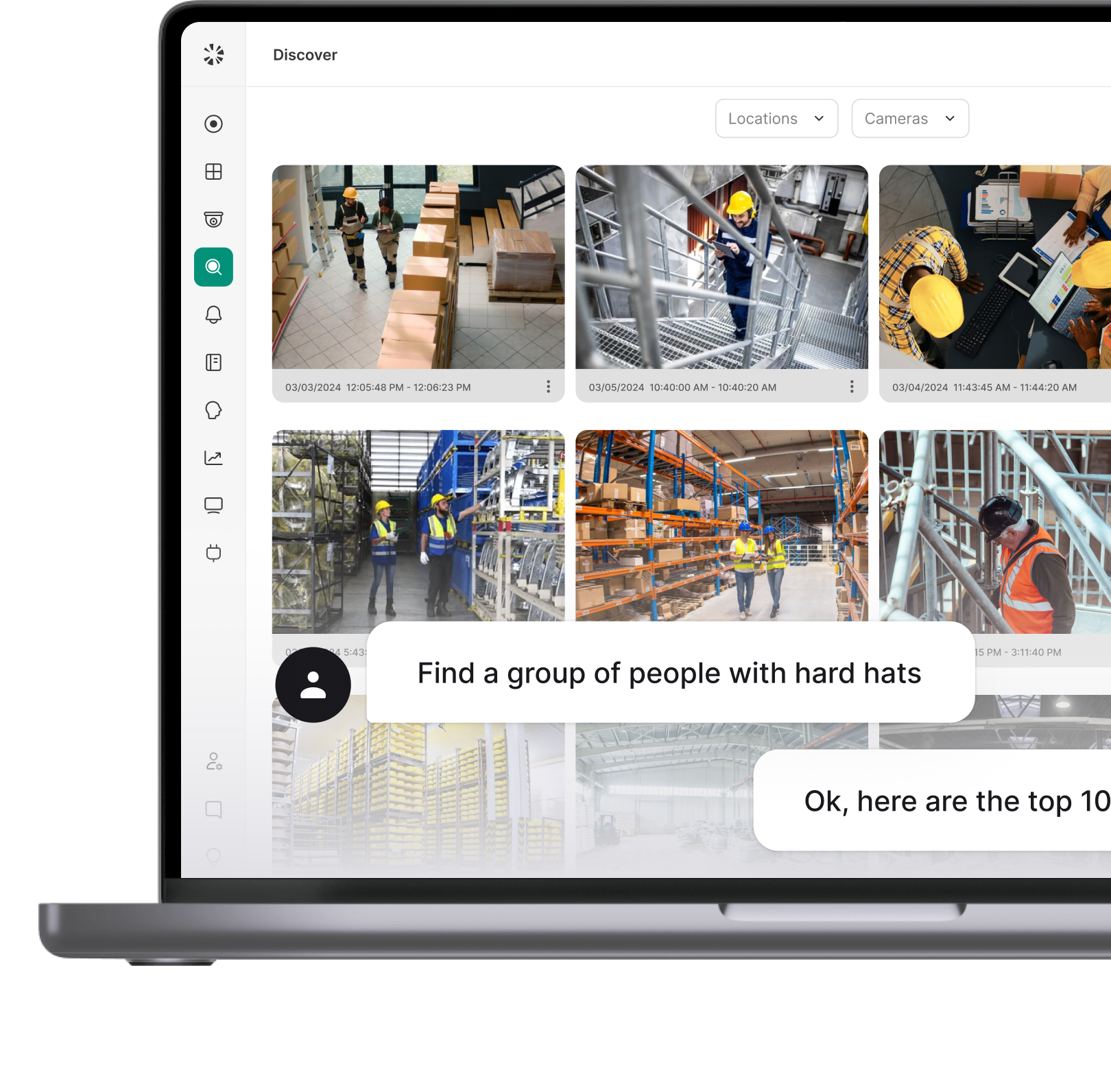
Coram’s access control system is designed around this idea of policy-first enforcement, connecting access events with real-time context. Every door action, entry, denial, tailgating, or forced access is paired with live or recorded video, so teams can see what actually happened, not just read a log entry. This makes investigations and audits faster and more accurate.
Further, its centralized dashboards enable practical policy enforcement at scale. Managers can update access once and apply it everywhere, set role-based schedules, issue temporary credentials, and respond to alerts without switching systems or involving IT.
So, modern access control systems don’t just support policy, they operationalize it. They turn written rules into visible, enforceable actions that reduce risk, improve accountability, and keep security aligned with how organizations actually work.
Final Thoughts
A physical access control policy defines how an organization decides who can enter, where they can go, and under what conditions. In 2026, this is no longer a “nice to have.” It’s a practical requirement for protecting people, assets, and operations across growing, distributed workplaces.
Strong policies share a few essentials: a clear scope and purpose, defined ownership, well-structured access levels, approved authentication methods, clear visitor and temporary access rules, and consistent enforcement with visibility. Together, these components remove guesswork and make access decisions predictable, auditable, and repeatable.
Creating the policy doesn’t have to be complex. Follow these steps:
- Step 1: Identify Sensitive Areas
- Step 2: Define Access Roles
- Step 3: Choose Credential Types
- Step 4: Define Access Approval Workflows
- Step 5: Set Visitor Management Rules
- Step 6: Create Incident Response Procedures
- Step 7: Schedule Policy Reviews
However, avoid common pitfalls like shared credentials, delayed offboarding, excessive permissions, and skipped audits. These gaps undermine even the best-written policies.
Modern access control platforms like Coram help bring policies to life, connecting access rules with real-time visibility, automation, and accountability, so security works in practice, not just on paper.




.png)