How Poster House Grew From Cloud Cameras to a Whole Security Platform

A camera count going from 18 to nearly 30

Door access moving from badges to phones

Ten seconds from doorbell to knowing who is there
What Happens After the Emergency Plan Gets Easy
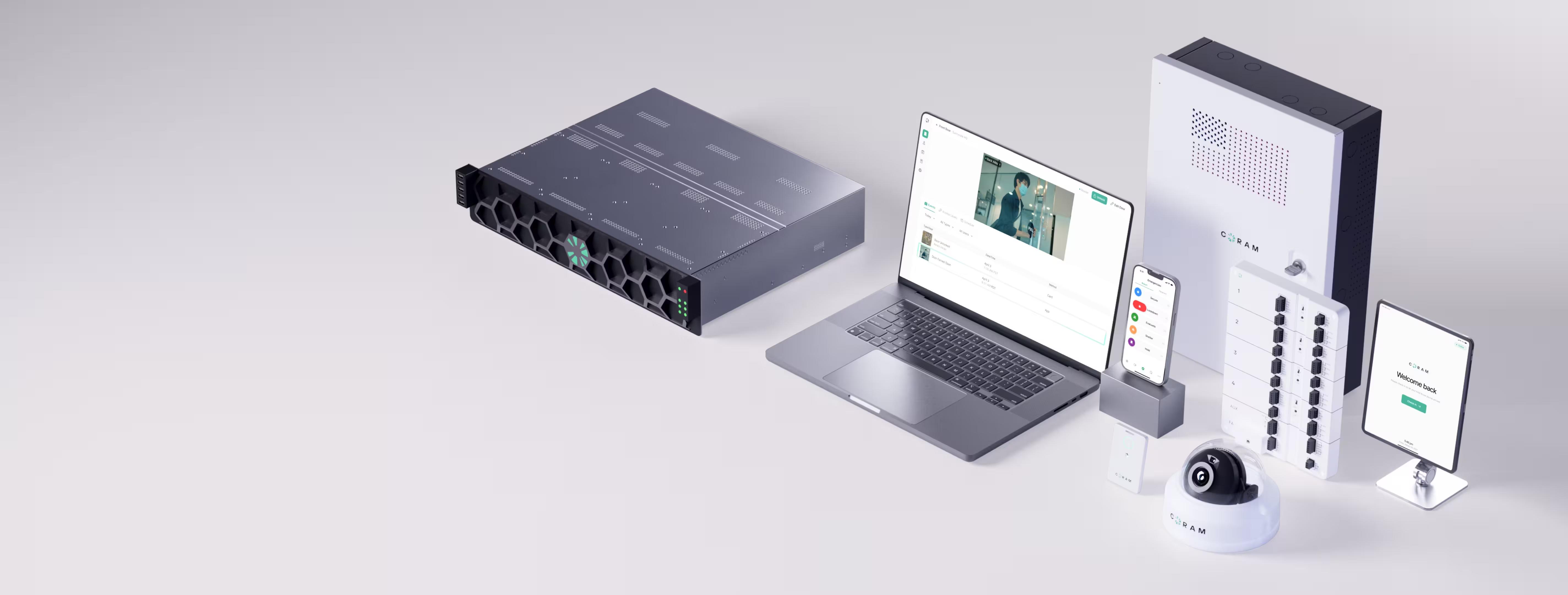
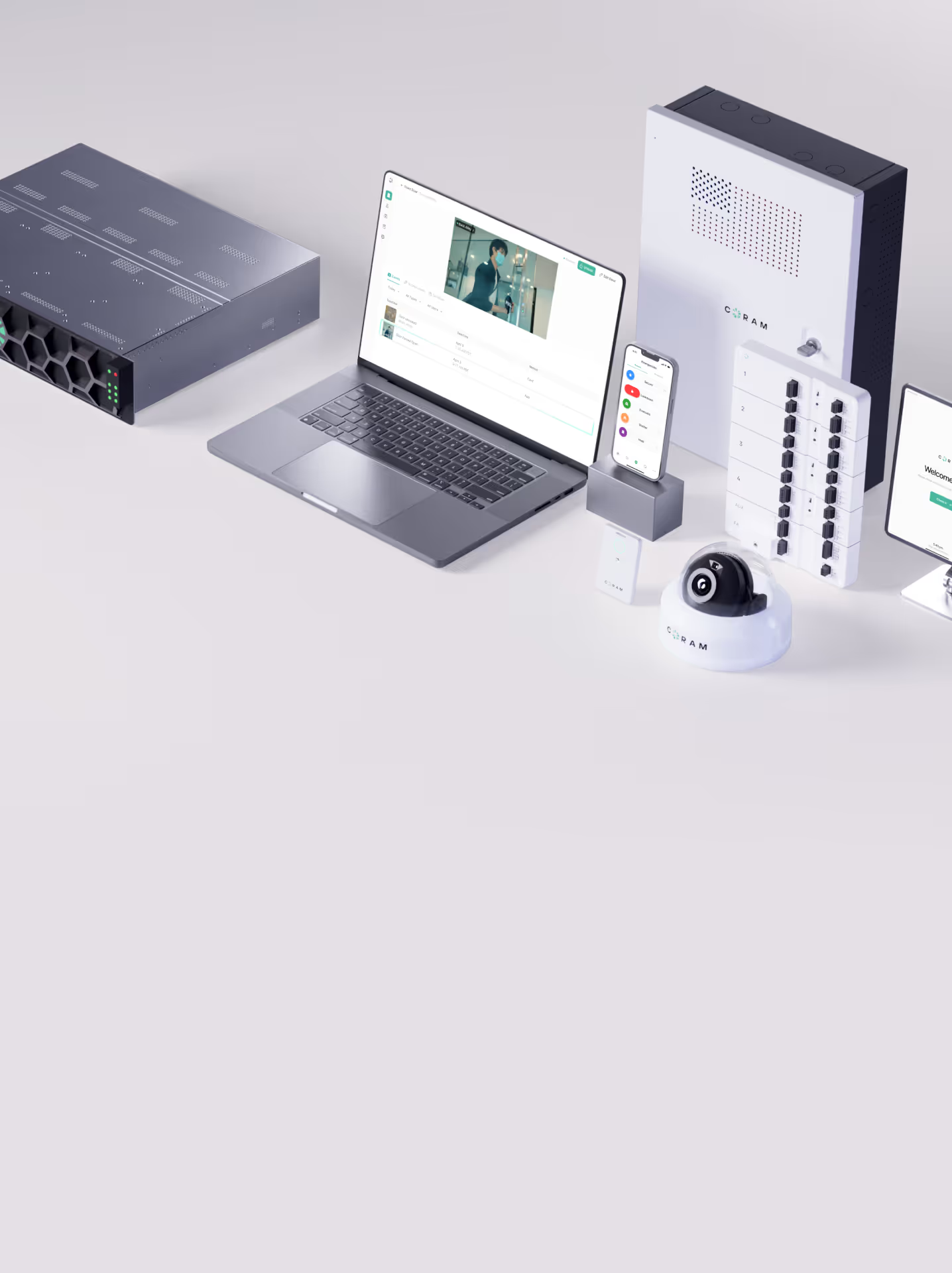
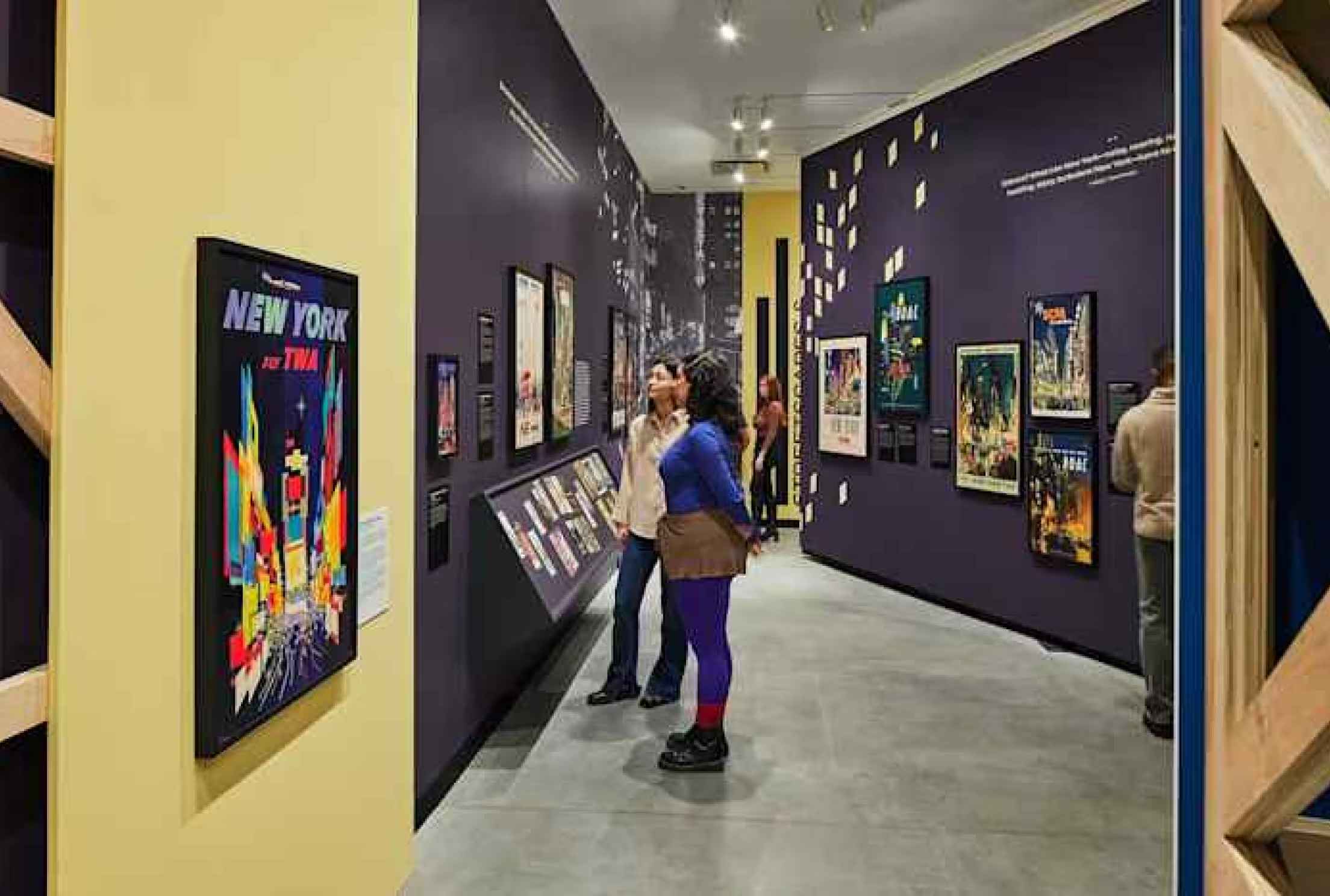
Poster House opened in June 2019 on West 23rd Street in Chelsea, the first museum in the United States devoted entirely to posters. Aaron Cohen has been its chief technology officer since the doors opened, which at a museum of this size means cybersecurity, the website, the projectors, the doors and the cameras. When Coram first came in, it was to solve one problem: staff could not see the cameras without a VPN and a browser plugin that had stopped existing. Replacing a working camera system was never on the table, so Coram was layered onto the cameras already in the walls.
That was the easy part, and it is already a published story. What happened next is the more interesting one. Once video stopped being the thing nobody could get into, Aaron started moving the museum's other systems toward the same platform.
Security That a Non-Technical Staff Can Actually Operate
Aaron handles the museum's cybersecurity himself, so a system that was easy and a system that was secure could not be a trade-off. That requirement is what kept pulling him back to Coram during the evaluation and what has governed every expansion since.
- Works With Existing Cameras: Add cloud and AI to the IP cameras already installed, no rip-and-replace.
- Google Workspace Sign-In: Let staff log in with the account and two-factor they already use.
- Mobile Access: Reach any camera from a phone, with no VPN and no laptop.
- Access Control System: Move door access onto the same platform as the cameras.
- Facial Recognition: Click a face to see when that person was last on site.
{{quote-banner-1}}
A Platform That Keeps Absorbing the Next Problem
Three years in, Coram is the museum's default answer to anything that starts with "do you know what happened."
- Settle Delivery Questions: Scroll to the time a package was marked delivered and see what happened at the door.
- Clip and Send: Pull a window from a gallery space and share it without leaving the app.
- Answer the Door Remotely: Turn a doorbell notification into a look at who is there in about ten seconds.
- Check Who Is On Site: Click a face and see the last time that person was in the building.
- Expand Without Re-Platforming: Add cameras, and soon doors, onto the system already in place.
The museum is adding more cameras and is also migrating to Coram Access Control, which solves a complaint Aaron hears constantly: people lose physical badges and would rather use their phones. He is also looking at Video Alarms for the start of next year, which would close the last gap in the stack, since today an after-hours alarm still comes from a separate company that cannot see any of the museum's cameras.
{{quote-banner-2}}
Making sure that it's not only something really easy that people can pull up on their phone, but still something really secure where it verifies that, for something so sensitive, only the right people are able to log in and see it was really important to me. And Coram seemed to check all those boxes.
It's been a real game changer and has really helped us quickly and intuitively with our video systems. And it's great that it integrated our existing cameras.