Last quarter, a facilities manager at a 600-person corporate campus ran a routine audit and found that 38% of visitors logged in the previous month had no formal checkout record. Twelve contractor badges were unaccounted for. One visitor had been checked in for nine hours on a day their meeting lasted forty-five minutes. Nobody flagged it. The system recorded the check-in and moved on.
That gap between logging a visitor and actually knowing what happened during their visit is the problem most visitor management systems were never designed to solve.
As workplaces have become more complex, with hybrid models, higher visitor volumes, stricter regulations, and growing security concerns, the expectations around visitor management have shifted. It is no longer enough to capture a name at the front desk. Organizations need real-time visibility into who is on-site, how long they have been there, and what access they were granted. AI-driven features, smarter risk detection, and security-first design are no longer premium add-ons. They are becoming the baseline.
This growing gap between old-style tools and modern requirements is exactly why choosing the right visitor management software matters more than it used to. In this article, we take a closer look at five of the best options and how to choose the one that can support your organization's growth.
What to Look for in a Visitor Management System
Once you implement a visitor management system, it becomes part of your daily operations. It takes time to set up, money to invest, and effort to train people on. Switching later is not easy. That is exactly why you need to be clear about what really matters before making a choice.
Security Integration
Your visitor management system should strengthen your overall security posture. That means it needs to integrate with your access control systems, surveillance infrastructure, employee databases, and badge printing systems. When integration is strong, processes become consistent and controlled.
For example, access rights can be automatically granted and revoked based on visit duration. Your security team gains centralized visibility instead of checking multiple disconnected tools. This is why integration capability should be one of the first things you evaluate.
AI Capabilities
AI is increasingly built into modern VMS platforms, but its actual value depends on how it is applied. The capabilities worth looking for include identity verification, duplicate detection, automated watchlist screening, and pattern analysis for unusual visitor activity. These features reduce dependency on manual checks, especially during high-traffic hours when your front desk is handling multiple arrivals simultaneously.
Deployment
Deployment determines how the system will be managed and maintained. Cloud-based platforms typically offer easier updates, centralized dashboards for multi-location visibility, and less infrastructure burden on your IT team. On-premise deployments give greater direct control over data storage and align better with strict regulatory environments. Your compliance requirements and IT capacity should drive this decision.
Visitor Experience
For operational efficiency, modern systems support pre-registration, QR-based entry, and touchless workflows to reduce waiting time. At the same time, you should also look for robust verification processes. Controlled access provides security assurance while keeping the arrival experience smooth. The best systems do both without forcing you to choose.
Compliance
Your visitor data often includes personally identifiable information. If that data is not handled properly, it can lead to legal, financial, and reputational risks. Look for a VMS that provides encrypted storage, audit trails, role-based access controls, and automated data retention policies. If you operate in healthcare, education, or government, compliance is not a feature request. It is a requirement.
Scalability
Your organization might operate from a single location today, but expansion is always a possibility. A scalable platform allows you to add new locations, users, integrations, and advanced features without replacing the entire system. This ensures operational continuity and avoids unnecessary reinvestment down the line.
5 Best Visitor Management Systems in 2026
1. Coram
Coram's visitor management solution is built into the same platform that runs its AI-powered video intelligence and access control. That architectural decision is what separates it from standalone visitor management tools.
When a visitor arrives, they check in digitally, enter their details, select the person they are meeting, and complete the process on a designated device. The visit is recorded in real time and reflected in the system's visitor log. So far, that sounds like every other platform on this list.
The difference is what happens next. Because Coram connects visitor data directly with video feeds and door access events, the visitor check-in is not an isolated record. It becomes part of the site's overall security picture. Your security team can see who checked in, when access was granted, what door they entered through, and what the camera captured at that entry point, all from one dashboard.
The system is also camera-agnostic. It works with your existing IP cameras and door readers, so deployment does not require replacing hardware you already have.
Features:
- Real-Time Visitor Visibility: Coram provides real-time visibility into who is present on-site and when they arrived. The system logs visitor details instantly once check-in is completed. During emergencies or audits, this data is immediately accessible, which improves both response time and accountability.
- AI-Powered Security Integration: Visitor management is embedded directly within Coram's broader security framework. Visitor events are automatically correlated with video footage and access control data. If a visitor accesses a door they were not authorized for, or remains on-site beyond their scheduled time, the system can flag it with the associated camera footage attached. This is not a configured integration. It is how the platform operates.
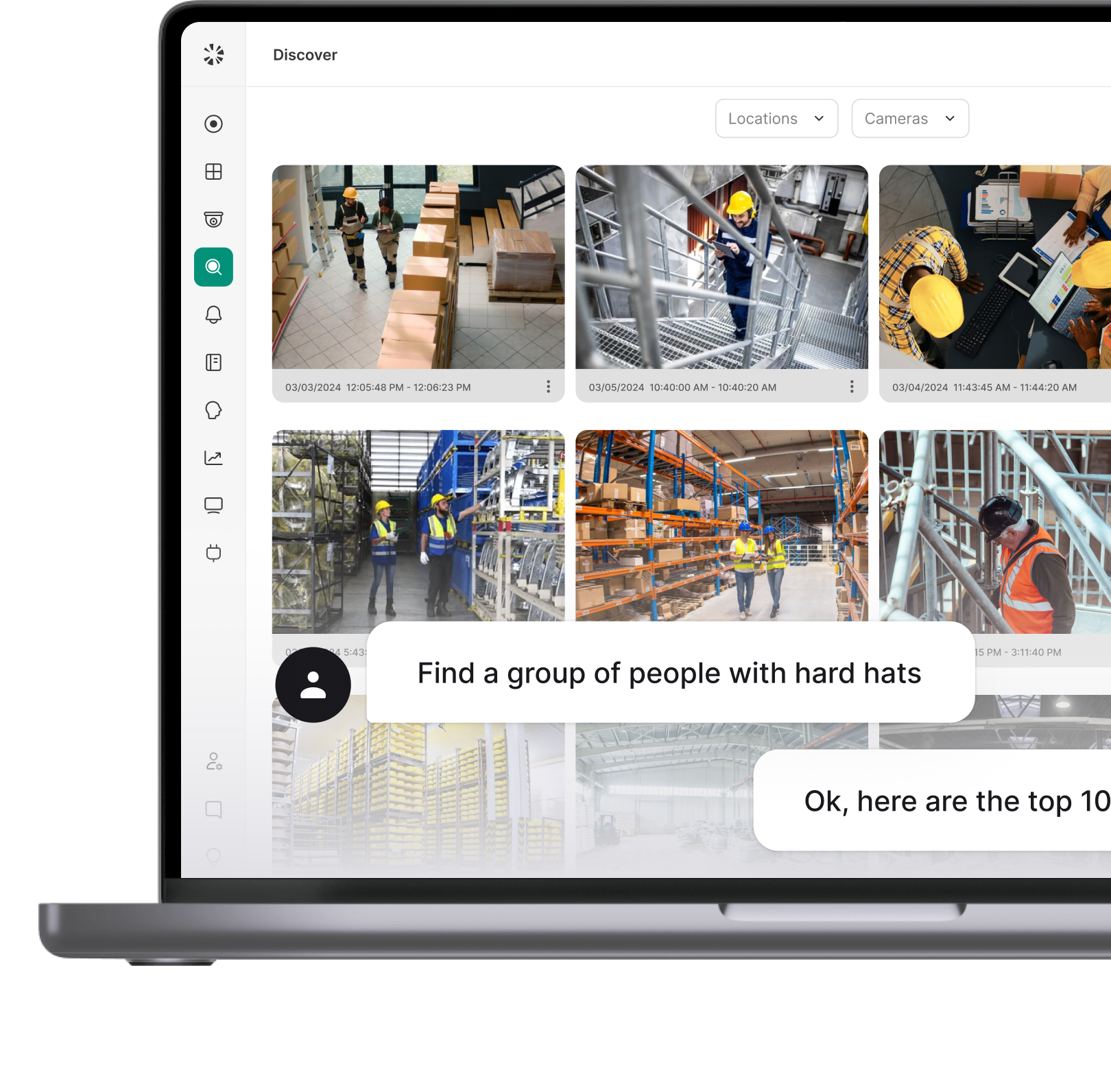
- Natural Language Search Across Visitor Activity: Security teams can search visitor-related footage using plain English descriptions rather than manually scrubbing timelines. If you need to find footage of a specific visitor's movement through your facility last Tuesday, you describe what you are looking for and the system retrieves the relevant clips.
- Structured and Verified Check-In Process: Visitors enter their details, select the person they are visiting, and complete the check-in on a device, typically an iPad. The process is straightforward for the visitor and produces a structured, searchable record for your team.
- Offline Functionality for Continuity: The system continues to function even if connectivity drops temporarily. Once the connection is restored, records sync automatically, which ensures that check-ins stay uninterrupted during network instability.
Where it falls short: Coram's visitor management is strongest when deployed alongside its video and access control platform. Organizations looking for a lightweight, standalone visitor check-in tool without broader security integration may find the platform more comprehensive than what they need.
Best for: Organizations that want visitor management connected to AI video intelligence and access control as one system, multi-site operations that need centralized visibility, and teams upgrading from disconnected legacy tools.
2. Verkada Guest
Verkada Guest manages the full visitor journey while keeping security teams informed throughout the process. It is built on the Verkada Command platform, which lets it connect visitor activity with video security and access control. Administrators can view relevant footage and manage door access directly within the system.
The platform focuses on making the check-in experience straightforward for visitors while improving oversight for teams. Visitors can complete touchless check-ins, sign required documents digitally, and automatically notify their hosts upon arrival.
Features:
- Integration with Verkada Cameras and Access Control: Since Verkada Guest operates within the Verkada Command platform, visitor activity connects directly with video security and access control systems. Administrators can review footage related to visitor movements and remotely unlock doors for specific guests.
- Role-Based Permissions: Organizations can define who can access visitor data and what actions they can perform within the system. This structure helps maintain data control and ensures that access to visitor information is limited to authorized personnel.
- Touchless Check-In: The platform supports touchless check-in, allowing visitors to register without physical contact. This reduces congestion at entry points and helps streamline the arrival process in high-traffic environments.
- Badge Printing (Color-Coded): The system enables badge printing upon check-in, with color-coded formats that help employees quickly identify visitor categories at a glance. This visual distinction supports internal policies around guest access levels.
Where it falls short: Verkada Guest works best within the Verkada hardware ecosystem. Organizations that do not already run Verkada cameras and access control will need to invest in that infrastructure to get the full value. The visitor management and video correlation capabilities are tightly coupled to Verkada hardware, which limits flexibility for teams with mixed or existing camera setups. Pricing starts at $3,600 per site annually, but the total cost climbs when you factor in the required hardware stack.
Best for: Organizations already running Verkada cameras and access control that want visitor management natively connected to their existing security infrastructure.
3. Honeywell Forge Visitor Management (Formerly Sine)
Honeywell Forge Visitor Management is a digital visitor and contractor management system that operates through an iPad kiosk, mobile app, and web dashboard. Organizations can manage arrivals, departures, deliveries, and on-site activity through a centralized interface.
Honeywell also provides a visitor management starter kit that includes an iPad, desk stand, charging cable, and a Brother label printer with label rolls. This enables organizations to deploy a physical check-in station with minimal setup.
Features:
- Badge Printing with Photo ID: Once check-in is complete, the system generates and prints visitor badges using the connected label printer. These badges can include visitor details and photo identification. The system enables photo capture during check-in, and the image is linked to the visitor record.
- Live On-Site List: The dashboard displays a live list of all individuals currently checked into the site. Historical records are stored digitally and remain searchable, allowing administrators to review past visitor activity by date or name.
- Visitor and Host Notifications: When a visitor completes check-in, the designated host receives a notification through SMS, email, Slack, or Microsoft Teams. Notifications are triggered automatically once the check-in process is completed.
- Custom Visitor Types and Check-In Requirements: The platform allows administrators to define different visitor categories with their own check-in requirements, including custom questions, document signing, or safety acknowledgments.
Where it falls short: Video integration depends on external systems. Honeywell Forge handles visitor and contractor workflows well, but it does not natively connect visitor check-ins to camera footage the way security-first platforms do. Organizations that need visitor activity correlated with video will need to manage that connection separately. The platform also works most naturally within the Honeywell infrastructure ecosystem, which can limit flexibility for teams running mixed hardware environments.
Best for: Organizations with contractor-heavy environments that need structured check-in workflows, safety acknowledgments, and compliance documentation, particularly those already operating within the Honeywell ecosystem.
4. Envoy
Envoy provides a visitor management platform designed to handle check-ins while capturing site-level data across locations. The system operates through a centralized dashboard, allowing teams to manage arrivals, monitor activity, and generate reports from both global and individual office views.
When visitors arrive, they check in digitally. The platform collects structured data that can be analyzed by location, date, or visitor type. Envoy also allows administrators to configure check-in workflows to collect compliance-related information, store records automatically, and export data when required.
Features:
- Customizable Sign-In Flows: Envoy allows administrators to create multiple check-in flows based on the purpose of a visit. A contractor may be required to answer different questions compared to a client or interview candidate.
- Emergency Notifications: The platform includes the ability to send notifications to people currently on-site. Because the system maintains a live record of who is checked in, notifications are sent based on real-time occupancy data.
- Occupancy Analytics: Envoy records visitor activity over time and makes this data accessible through reporting tools. Reports can be generated at both a site level and a global level and shared with stakeholders directly from the platform.
- Multi-Location Invites: For organizations operating across multiple buildings or offices, Envoy supports multi-location visitor invitations sent via email or QR code. The system tracks check-ins across locations through a single interface.
Where it falls short: Envoy is primarily a workplace experience platform, not a security platform. It handles check-in workflows and occupancy data well, but it has limited native video intelligence and does not correlate visitor events with camera footage or access control data without third-party integrations. For organizations where visitor management is fundamentally a security function rather than a workplace experience function, that gap matters. The free plan covers basic needs, but the premium tier ($4,345 per location annually) adds up quickly across multiple sites.
Best for: Organizations that prioritize workplace experience, occupancy analytics, and multi-location visitor data, particularly corporate offices where the primary goal is operational efficiency rather than security-first visitor management.
5. Eptura (Formerly Proxyclick)
Eptura provides a visitor management system designed to manage workplace access in a structured and automated way. The platform connects visitor workflows with access control systems, allowing organizations to manage registrations, entry permissions, and on-site visibility from a centralized interface.
The system synchronizes visitor and employee data with building access control, enabling organizations to issue time-bound credentials such as unique QR codes. Administrators can view real-time information about who is currently inside the building while maintaining digital records of all site activity.
Features:
- Remote Registration: Eptura allows visitors to complete registration steps before arriving on-site. Visitors can answer required questions and receive a unique QR code linked to their visit, which is used for check-in and building access where integrated.
- Autonomous Check-In: Visitors can complete check-in through self-service kiosks or integrated building systems without requiring manual reception involvement, depending on configuration.
- Digital Logbook: All visitor activity is recorded in a centralized digital logbook with time-stamped records of arrivals and departures across locations. Your team can access detailed audit reports directly from the platform.
- Emergency Management: The platform includes tools for managing emergencies and drills. During evacuation, administrators can conduct digital roll calls using the live on-site data stored in the system.
Where it falls short: Eptura has no native video intelligence. Visitor check-ins are not correlated with camera footage unless you configure that connection through external systems. The platform is also primarily designed around structured office environments. Organizations with high-security requirements, manufacturing floors, or campus-style facilities with complex perimeter management may find the toolset oriented more toward corporate workplace access than physical security operations. Pricing requires a sales conversation, which makes upfront cost comparison difficult.
Best for: Corporate offices and enterprise workplaces that need structured visitor access workflows, time-bound QR credentials, and integration with existing building access control systems.
Best Visitor Management Systems- Comparison Table
Which System Fits Your Organization?
The right visitor management system depends on what visitor management actually means in your environment.
If visitor management is a security function, and your team needs to know not just who checked in but what happened during their visit, with video footage and access data connected in one place, Coram and Verkada Guest are the two platforms built for that. Coram does it with your existing cameras. Verkada does it within its own hardware stack.
If visitor management is a compliance and contractor management function, and your priority is structured workflows, safety acknowledgments, and documentation for audits, Honeywell Forge and Eptura handle that well. Honeywell is stronger for contractor-heavy environments. Eptura is stronger for corporate office access workflows.
If visitor management is a workplace experience function, and your focus is occupancy analytics, multi-location data, and a polished check-in experience for guests, Envoy is purpose-built for that use case.
If you need all of the above, that is where the platform architecture question becomes the deciding factor. A standalone visitor management tool will always require separate systems for video, access control, and security intelligence. A platform that builds visitor management into the same layer as video and access control removes that coordination overhead entirely.
Conclusion
The visitor management system you choose will become part of your daily operations. It will shape how your front desk runs, how your security team responds to incidents, and how your organization handles audits and compliance.
For organizations where visitor management is primarily a check-in workflow, several platforms on this list handle that well. For organizations where visitor management needs to connect directly to physical security, where you need to see who checked in, when access was granted, what door they entered through, and what the camera captured, that requires a platform built around that integration from the start.
Coram gives you that connected environment. Visitor check-ins are directly linked to door access events and camera footage. Your security team can see the full picture from one dashboard without coordinating across disconnected tools. And because the system is camera-agnostic, it fits your existing infrastructure rather than requiring you to replace it.




.png)