You've done the demos. Sat through the pitch decks. Asked the right questions about API support, credential types, and per-door pricing. Every vendor sounded credible.
And you're still not sure which platform is actually the right fit.
That's not a failure of due diligence. It's a symptom of how these comparisons are usually framed. Most Brivo vs. Openpath vs. Coram evaluations spend their energy on reader hardware, integration lists, and mobile credential specs: all real factors, none of them the deciding one.
The question that actually separates these platforms is this: when something happens at one of your doors, can your system tell you what happened, not just that it happened? Can your access control work with your video security to give you a complete, AI-powered picture of your facility in real time?
Most systems can't. They log the event. They leave the investigation to you.
This article is a straight assessment of all three platforms: where each one is genuinely strong, where it falls short, and who it's actually built for. By the end, you'll have a clear view of which platform fits your operation and why the access-plus-video question should drive that decision.
TL;DR
- Brivo, Openpath, and Coram are all credible cloud access control platforms: the decision comes down to what you need access control to actually do.
- Brivo works best for commercial real estate and multi-tenant properties; deep PMS integrations are its strongest suit, but video requires a separate platform, and the ~1hr sync cycle limits real-time changes.
- Openpath/Avigilon Alta has the best mobile credentials on the market and strong AI video analytics, but access control and video are two separate products requiring two separate investments.
- Coram builds access control and video intelligence on the same data layer: door events are automatically paired with footage, tailgating and weapon detection are native, and everything is managed from one dashboard.
- For organizations that need more than an access log, Coram is the most complete option of the three.
A Quick Overview of Each Platform
Brivo
Founded in 1999, Brivo is the category veteran: the company that, by its own account, invented cloud-based access control. Managing 600 million square feet across 60+ countries gives that claim some weight.
Its core strength is integration depth.
Property management systems, HR platforms, and building automation tools all connect well, which is why Brivo has become the default choice for commercial real estate operators and multi-tenant property managers. Most system integrators know it cold.
Key features:
- Cloud-based access management with remote administration
- Supports cards, fobs, key codes, fingerprints, and mobile passes
- Deep PMS integrations for hospitality and multi-tenant buildings
- HR and identity system integrations for automated provisioning
- Open API for custom integrations
The system syncs approximately once per hour, which creates friction for any environment where access needs to change on short notice. Hardware is proprietary, so supply chain issues leave you with limited alternatives.
Best for: Commercial real estate, multi-tenant buildings, and enterprises that need deep PMS integrations or already run Brivo.
Openpath (now Avigilon Alta)
Openpath built its reputation on one thing: making physical access feel invisible.
Its BLE-powered "Wave to Unlock" let users open doors without taking their phone out of their pocket, and the technology was genuinely ahead of the market when it launched.
Motorola Solutions acquired the company and rebranded it Avigilon Alta, positioning it within a broader physical security ecosystem that includes AI video analytics.
Key features:
- 100% serverless cloud architecture
- BLE mobile credentials with wave-to-unlock
- Workday and Okta integrations for automated user provisioning
- Touchless and mobile-first access experience
- AI video analytics available via the Avigilon platform
The platform today is capable and well-regarded.
Where it gets complicated: hardware is proprietary, the Openpath-to-Alta rebrand has introduced some transition friction for existing customers, and the unified security story requires Avigilon cameras as a separate investment.
Best for: Enterprises already running Avigilon video infrastructure, or organizations that prioritize mobile-first credentials and need Okta/Workday provisioning.
Coram
Coram was built around a different question than the other two platforms. Rather than designing an access control system and then figuring out how to connect it to video, Coram built both as one platform from the start.
Every door event (entry, denied access, forced entry, propped door) is automatically paired with video footage and AI analysis. That linkage isn't a feature you configure or a partner integration you manage. It's the architecture.
The practical result: when a door is forced open at 2 AM, the alert that hits your phone already has the video clip attached. When someone tailgates through an entry, the system flags it with footage in the same interface. When you're investigating an incident from last Tuesday, you search once and get the access log and the video as one record.
Key features:
- Unified access control and AI-powered video intelligence in one platform
- Hardware-agnostic: works with existing Wiegand and OSDP readers and cameras
- Every door event automatically linked to video footage
- Built-in tailgating detection and real-time AI alerts
- Single dashboard for doors, cameras, and alerts across all sites
- Offline mode maintains access continuity during internet outages
- Native emergency management and weapon detection integrations
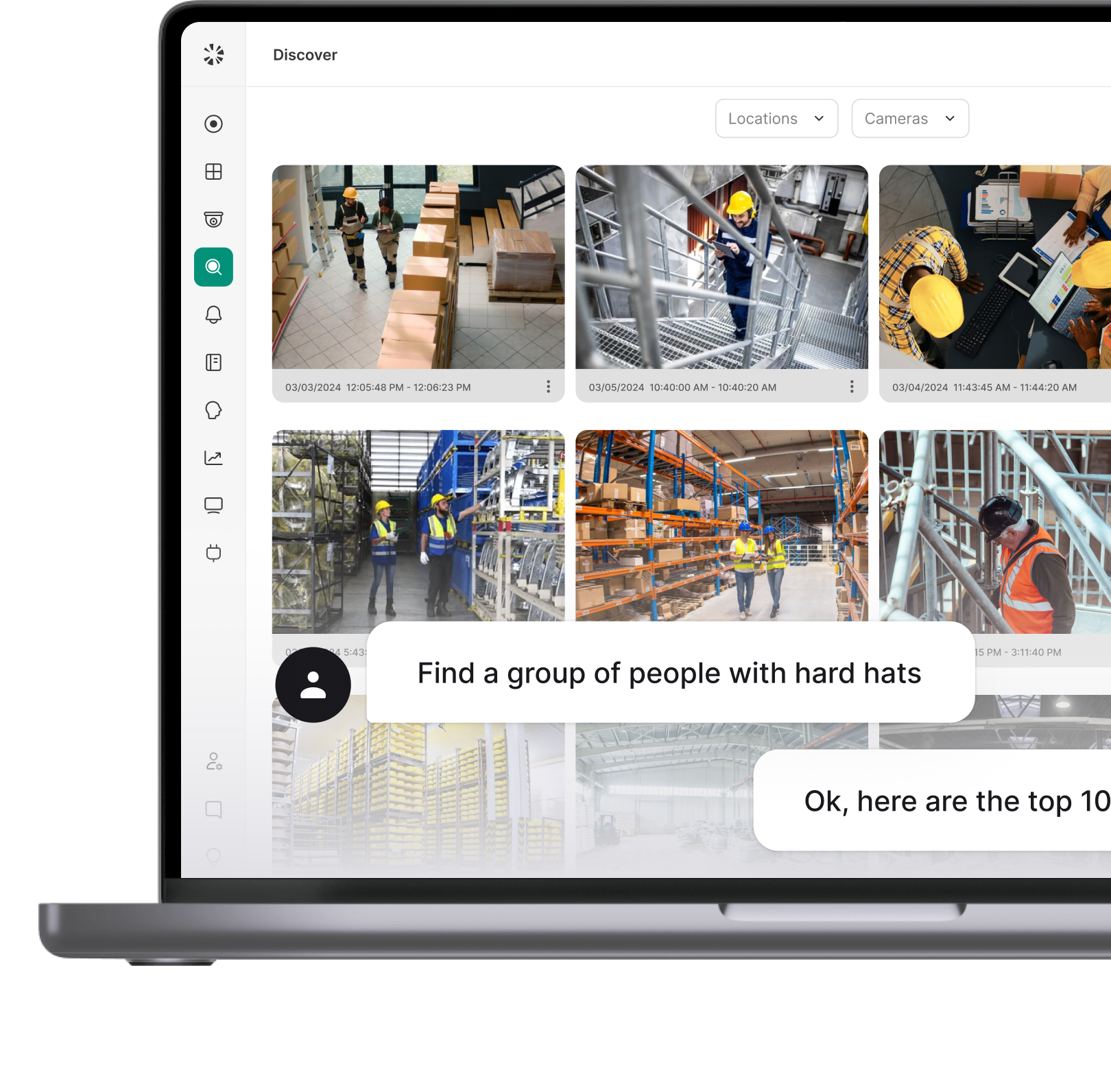
- Natural language AI search across all camera footage
The hardware-agnostic design compounds the value.
Most organizations can deploy Coram without replacing existing door readers, locks, or controllers, and without replacing existing cameras either. That removes one of the biggest cost variables in any access control upgrade and shortens the path from legacy system to unified intelligent platform considerably.
Best for: Mid-to-large enterprises that want access control and AI video intelligence working as one system, organizations upgrading from legacy infrastructure, and multi-site operations that need one dashboard for everything.
How Hard Is It to Actually Deploy Each System?
Deployment complexity is where budget surprises live. Here's the honest picture across all three:
The hardware dependency question is the one most buyers underestimate going in.
Both Brivo and Openpath require their own proprietary readers and controllers. In an older building where you're also dealing with wiring upgrades and electrical work, that commitment can run $500 to $2,500 per door before software costs enter the picture.
Coram's hardware-agnostic design changes that math.
Organizations with existing Wiegand or OSDP readers can often deploy without replacing any door hardware. That matters for cost, and it also means Coram can be layered over existing infrastructure quickly, bringing AI-powered video intelligence into the same system without a full rip-and-replace project.
Must Have Access Control Features
Credential flexibility
- Cards, fobs, key codes, fingerprints, and mobile passes cover the full range of deployment environments from legacy buildings to mobile-first offices.
- BLE-based wave-to-unlock is the most frictionless credential experience available today, removing the need to physically interact with your phone at all.
- Video-verified access at entry points adds an intelligence layer that credential type alone cannot provide, pairing who entered with visual confirmation of what happened at that door.
Scheduling and access rules
Time-based schedules, role-based groups, and temporary credential assignments are table stakes across all serious cloud platforms.
The differentiator is what happens when a rule is violated. A system that logs an out-of-schedule entry is useful. A system that logs it and automatically surfaces the associated video clip removes an entire investigation step for the security team.
Remote management
Real-time sync is the baseline expectation for any cloud-based system.
An approximately one-hour sync cycle creates real operational risk in environments where access needs to change quickly, revoking a contractor's credentials, granting emergency access, or responding to a security event mid-day.
Any platform on your shortlist should handle credential changes and schedule updates immediately, from any device.
The table above reflects a pattern across all three features: detection and video linkage are available in the market, but not always native.
A platform that requires a separate video system to power its alert intelligence is a platform where those alerts will only work as well as that integration holds up.
Multi-site management
A single dashboard covering all doors, cameras, and alerts across every location is the standard to hold any platform to.
Switching between an access control interface and a separate video platform to understand one incident is a workflow problem that compounds at scale.
Access Control + Video: Integrated or Actually Unified?
Most access control evaluations never get to this question. This one does.
Brivo: Video as an afterthought
The connection exists through its API and partner VMS ecosystem. But it requires a separate software license, often a separate vendor relationship, and manual effort every time you need to match an access event to footage.
For routine monitoring, manageable. For active investigations under pressure, it's friction that compounds fast. Patterns across your facility that require both data sets won't surface without deliberate extra work.
Openpath/Avigilon Alta: Video as a second product
Avigilon's AI analytics are legitimately strong in object detection, behavior analysis, and intelligent search. If your organization already runs Avigilon cameras, Alta slots in well.
The structural limitation is that access control and video intelligence are still two separate investments, connected by configuration rather than built as one. Organizations without existing Avigilon infrastructure are effectively buying two platforms to get the unified security story that's being pitched.
Coram: Video and access control as one system
Every door event is paired with a video automatically, not through an API call, or a configured integration, but because that's how the platform was built. A forced entry alert arrives with the clip already attached.
A tailgating detection surfaces the footage in the same interface. A security manager investigating a remote site incident doesn't cross-reference two systems or match timestamps manually. The access log and the video are the same record, processed by the same AI.
For operations leaders, this compounds over time. Patterns that require unified data: repeated denied access at a specific entrance, tailgating concentrated around shift changes, doors routinely propped open in low-traffic areas stay invisible when access logs and video live separately.
Coram surfaces those patterns automatically, turning access control from a compliance function into an operational intelligence tool.
Brivo vs Openpath vs Coram Comparison Table
Pricing & Total Cost of Ownership
All three platforms require a sales conversation for exact pricing. Here's what the real cost picture looks like based on available market data.
Brivo
Cloud subscription model. Brivo's own TCO analysis makes a credible case that cloud beats on-premise when you factor in capital, installation, and ongoing maintenance over time.
The complication is hardware lock-in: proprietary readers and credentials limit sourcing options, and replacement costs are harder to negotiate.
For commercial real estate where Brivo's PMS integrations generate genuine administrative savings, the value holds. For organizations outside that use case, the proprietary hardware dependency is a long-term cost risk worth pricing into the decision.
Openpath/Avigilon Alta
Software licensing runs $1,300 to $2,800 annually, averaging around $2,200 per year. That's before proprietary hardware, professional installation, and for organizations that want the full AI video intelligence story, the separate Avigilon camera and platform investment.
The total cost of ownership climbs quickly when access control and video intelligence are two separate purchasing decisions rather than one.
Coram
Cloud subscription pricing in the market range of $3.50 to $15 per door per month. The structural cost advantage is what you don't spend. Hardware reuse means many organizations avoid the replacement cycle entirely.
For a 10-door facility with existing readers and cameras, that's thousands of dollars in avoided upfront cost. A unified access and AI video platform also eliminates the separate VMS license that both Brivo and Openpath users typically carry alongside their access control subscription, giving you one platform, one subscription, one vendor relationship to manage.
Over three to five years, infrastructure reuse, open hardware sourcing, and consolidated licensing make Coram the most cost-efficient path to unified intelligent security for most enterprise deployments.
Which Platform Is Actually Right for You?
Choose Brivo if you're managing commercial real estate or multi-tenant buildings with established PMS workflows. The integration depth is genuinely unmatched for that use case, and two decades of market presence mean system integrators know the platform well.
If video intelligence isn't a current priority and your operation can work within the hourly sync cycle, Brivo is a proven, low-risk choice for property-focused access management.
Choose Openpath / Avigilon Alta if your organization already runs Avigilon video infrastructure and wants access control that fits naturally into that ecosystem.
Alta's BLE credentials are best-in-class for mobile-first environments, and the Workday/Okta provisioning integrations are among the strongest available for large enterprises managing frequent onboarding and offboarding.
The unified security experience is real, provided Avigilon cameras are already part of your infrastructure.
Choose Coram if your security and operations teams need more than an access log.
Coram is the right fit when incident investigation speed matters, when you're managing multiple sites and want one interface for everything, when you're upgrading from legacy hardware and want to preserve that infrastructure investment, or when leadership expects facility intelligence (patterns, anomalies, trends) rather than just audit trails.
The AI-powered video intelligence is built in. It's how the platform works, not a feature you layer on later.
Access Control Is Only as Good as What It Shows You
Brivo and Openpath are both solid platforms that have earned their market positions.
For specific use cases (Brivo in commercial real estate, Openpath/Alta inside the Avigilon ecosystem), they are the right tools.
The larger question for most enterprise security and IT leaders evaluating these platforms is whether access control alone is still sufficient. A system that logs door events is not the same as a system that understands your facility.
The gap between those two things is where incidents go undetected, investigations take hours instead of minutes, and patterns that should prompt action stay invisible.
Coram closes that gap. Access control and AI-powered video intelligence, designed as one system, not stitched together after the fact. For organizations where security means having a real picture of what's happening, not just a record of who badged in, that architecture is the difference that matters.




.png)