Most Bosch migrations start with a hardware clock running out. The BVMS server or a DIVAR/NVR recorder is coming up for refresh, remote access across sites has turned into VPN maintenance, and a forced BVMS version upgrade is on the calendar. Coram's approach to that moment is to keep your ONVIF-compliant Bosch cameras exactly where they are. BVMS is retired, the DIVAR/NVR recorders are replaced by a Coram Point appliance on site, and the cloud handles management, AI, and alerting. No camera rip-and-replace required.
This guide covers what survives the move from your current Bosch deployment, what doesn't make it across the ONVIF boundary, and the migration sequence that gets you there without pulling the plug on BVMS all at once. Skip ahead to whatever answers your actual question: camera compatibility, the Bosch vs. Coram comparison, access control continuity, or how to time the switch around your BVMS maintenance renewal.
What Actually Carries Over From Your Bosch Stack
BVMS itself is retired outright. Most Bosch deployments follow a similar pattern from there. Your Bosch IP cameras and DIVAR/NVR recorders split apart. The cameras carry over if they support ONVIF. The recorders are retired along with BVMS and their job moves to a Coram Point appliance, which records video locally at each site. Access Professional Edition, AMS, or whatever access control system you're running gets evaluated separately, since it can run alongside Coram or be replaced by Coram's own cloud-managed door access on its own timeline.
ONVIF-compliant Bosch cameras connect to Coram and keep working. What doesn't carry over is anything tied specifically to the Bosch ecosystem: proprietary features, certain on-camera Intelligent Video Analytics configurations, and integrations built for BVMS specifically. Your existing cabling and PoE infrastructure carry over regardless.
Before starting a migration, evaluate these upfront so nothing turns into a mid-project escalation:
- ONVIF compliance of your existing Bosch cameras, model by model
- Coram Point sizing and count per site, based on camera count and retention requirement. Recording runs on Coram Point hardware, so this is a purchased appliance rather than a reuse of your existing servers
- Retention requirement per site, since standard retention runs 30 to 90 days with longer windows available on request
- Network and bandwidth posture, since high-resolution recording stays on the LAN while management traffic goes to the cloud
- Recorder and server refresh timing, especially if a DIVAR/NVR replacement is already due
- Identity and SSO integration requirements for your team
- BVMS license and maintenance renewal dates, so you're not paying for both systems longer than necessary
Bosch vs. Coram Comparison Table
BVMS and Coram sit on different sides of the on-prem and cloud-managed divide, and the differences that matter day to day come down to a handful of factors.
The Migration Path, Step by Step
The process follows a set sequence: audit your current deployment, separate what's reusable from what isn't, run Coram alongside BVMS in parallel before cutting over, then retire BVMS and its licenses once every site clears.
1. Audit the Existing Deployment
Review your current deployment in full: every Bosch camera (model, ONVIF support, firmware version), every DIVAR/NVR recorder, the BVMS server itself, current channel license counts, and contract or maintenance end dates. This audit tells you which cameras are safe to carry over and which ones aren't worth the effort.
2. Identify What's Reusable and Size the Replacement
Once you know what you have, separate the cameras that move over cleanly from the ones that don't. Most of your ONVIF-compliant Bosch cameras will connect to Coram without any trouble, which is the same pattern that plays out when teams swap the VMS without touching the camera layer. A few cameras might be old enough, or locked into Bosch-specific configurations tightly enough, that replacing them costs less than forcing the fit.
This is also the point to size the Coram Point deployment. Camera count per site and your retention requirement determine which model and how many units each site needs, and that sizing feeds directly into your upfront hardware number.
3. Parallel-Run and Phased Cutover
Connect Coram to a subset of ONVIF cameras and let it run alongside BVMS. Once that's validated, move to a phased cutover, site by site or building by building, retiring BVMS servers and DIVAR/NVR recorders as each site clears. Nothing goes dark, and no single cutover date puts the whole deployment at risk. If something goes wrong at one site, it stays contained there instead of affecting the rest.
4. Decommission, License and Maintenance Wind-Down
As each site finishes moving over, decommission the old hardware and time your final BVMS license and maintenance wind-down to match your renewal dates. Lining this up well means you're not paying for two systems at the same time. Export any BVMS footage you need to keep before the recorders come offline, since that archive lives on the old hardware.
Timeline: A single site usually clears in a few weeks. Multi-site deployments stretch closer to a few months, since each site needs to be validated before the next one starts.
Where Coram Fits
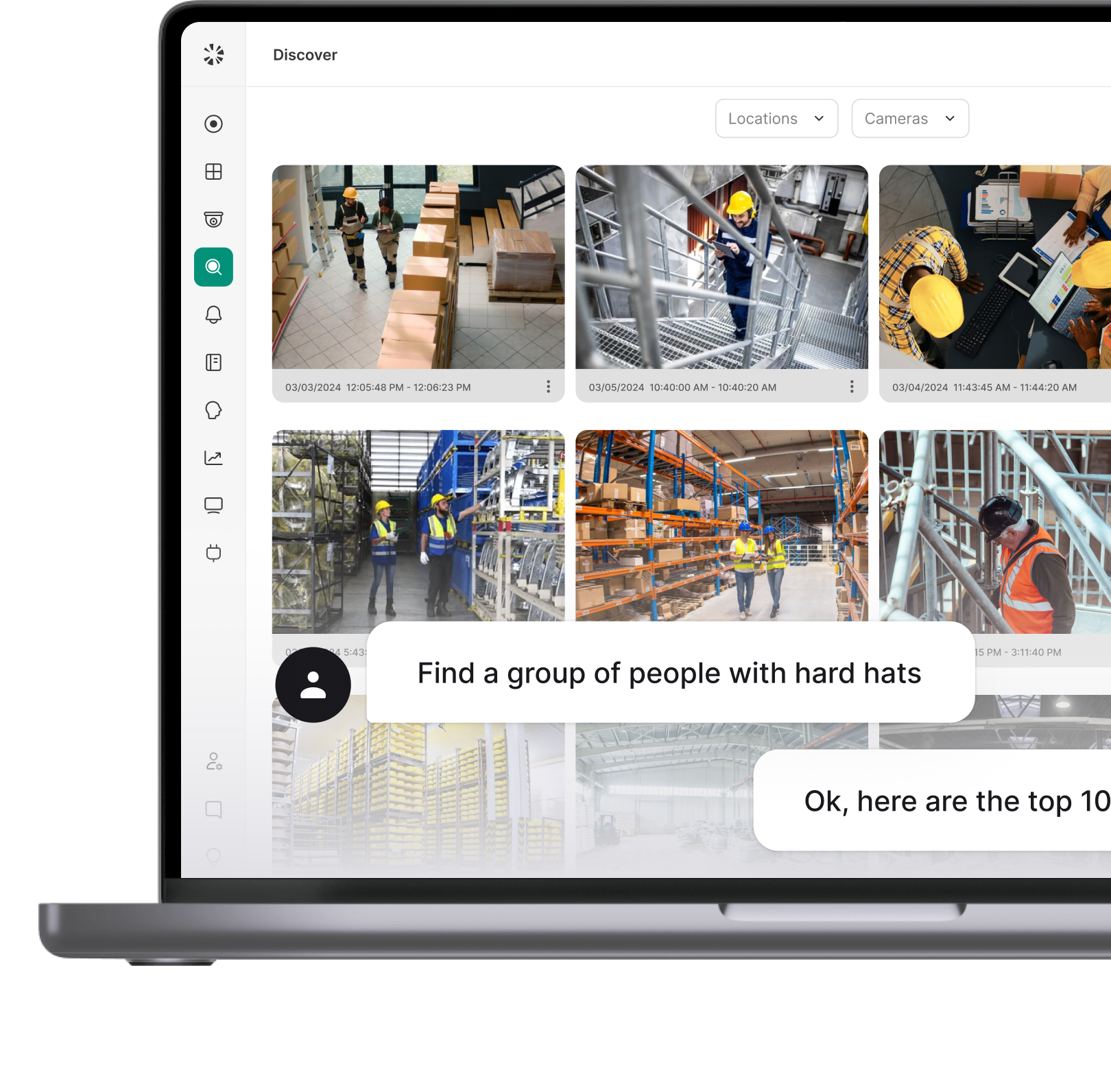
Coram is an AI-native physical security platform that connects to IP cameras over ONVIF and RTSP, including most Bosch models, without requiring a camera swap. On the video side, it takes in your existing ONVIF Bosch cameras and replaces both the BVMS server and your DIVAR/NVR recorders with a Coram Point appliance. Recording, storage, and AI processing run locally on that appliance, while management, search, alerting, and multi-site viewing run in the cloud. There's no BVMS server to patch and no per-device analytics configuration to maintain, since AI search and alerts apply across your full camera set by default.
Access control runs on the same platform, which means Access Professional or AMS doesn't have to stay a separate system alongside your VMS long term. That combination is what makes Coram a fit for IT directors who want their Bosch deployment consolidated onto one platform, without losing the value of the ONVIF cameras they've already invested in.
How to Decide if Now Is the Right Time to Migrate
A handful of signals suggest sticking with BVMS is costing you more than it's worth, even though some deployments can run as-is for years without hitting this point:
- Your DIVAR/NVR or BVMS server is coming up for refresh anyway
- BVMS is nearing end-of-life on your current version, or Bosch is pushing a forced upgrade
- Managing remote access across multiple sites has become more overhead than it should be
- Your BVMS maintenance renewal is close enough that you'd be committing to another term without reassessing
- Your team is running an SSO or identity consolidation initiative and wants video and access folded in
- You want AI video search that works across your whole camera fleet, not configured per device
If you're mid-contract on BVMS maintenance with two or more years left, don't treat that as a sunk cost. Map the migration timeline against your
What's Next
Start narrow. Pull your camera inventory and flag ONVIF support, then check your BVMS maintenance renewal date. Those two data points shape the rest of the decision, including timing, sequencing, and which cameras need a closer look. To walk through the details for your specific setup, book a demo with Coram.




.png)