.webp)
Most organizations today are still running on fragmented, aging infrastructure - legacy DVRs, proprietary NVRs, and disconnected camera systems stitched together over time.
Everyone knows it’s outdated. Yet the perceived cost, complexity, and risk of disruption keep modernization stuck in “later.”
When systems are siloed, visibility is limited, and operations remain reactive, growth slows. Teams spend more time managing issues than preventing them. And as operations become more distributed and security expectations rise, outdated systems create more risk than stability.
This is where infrastructure modernization becomes critical - not as a one-time upgrade, but as a shift toward AI infrastructure management, unified observability platforms, smarter cloud optimization, and AIOps-driven infrastructure automation.
The question is no longer if you modernize, but how to do it without breaking what already runs.
This guide walks through 5 practical steps for infrastructure modernization in 2026, helping you move forward without disruption.
How to Audit Your Current Camera and Security Infrastructure?
Most organizations assume their surveillance systems are “good enough..." until a critical moment proves otherwise. The reality is that outdated, siloed setups often fail where it matters most. Conducting a structured audit is the first step toward infrastructure modernization, helping you uncover hidden risks and move toward more intelligent, resilient systems.
Evaluate Image Quality, Coverage, and Performance
Start by reviewing actual camera output across your facility. Footage should be clear enough to identify faces, movements, and critical details without ambiguity.
- Test performance across different lighting conditions, low light, glare, and nighttime scenarios often exposes weaknesses in older systems.
- Next, map your entire coverage. Identify blind spots in high-risk areas, such as entrances, corridors, storage rooms, and parking zones. Even small gaps can become major vulnerabilities.
Modern systems powered by AI infrastructure management can automatically detect anomalies, motion irregularities, and coverage gaps, making your audit far more precise.
Assess Storage, Retention, and Accessibility
Storage is often overlooked until it’s too late. Evaluate how long your footage is retained and whether it aligns with compliance, legal, or operational needs. Many businesses require weeks or even months of footage that is readily accessible.
Also assess how easily you can retrieve data. Slow, manual retrieval processes delay investigations and decision-making.
A modern observability platform should give you real-time insights into storage health, system uptime, and access logs. Leveraging cloud optimization ensures scalable storage, eliminating the limitations of on-premise hardware while improving redundancy and reliability.
Review System Reliability, Alerts, and Automation Capabilities
Go deeper into how your system behaves under pressure, not just when everything is working fine.
Analyze historical downtime, failure frequency, and how quickly issues were detected and resolved. If your system only alerts after an incident has already occurred, it’s operating reactively.
- Evaluate alert accuracy as well - too many false alarms lead to alert fatigue, while missed alerts create serious risks.
This is where AIOps becomes critical. AI-driven systems continuously analyze patterns across video feeds, device health, and network activity to detect anomalies before they escalate.
- Also assess automation levels. Are routine tasks like firmware updates, system health checks, or incident tagging handled manually?
With infrastructure modernization automation, these processes can be streamlined or fully automated - reducing human error, improving consistency, and freeing up your team to focus on higher-value work.
Check Integration, Usability, and Scalability
Most legacy surveillance systems operate in silos, disconnected from access control, alarm systems, and broader IT infrastructure. During your audit, evaluate how well your systems communicate with each other.
- Can an access breach automatically trigger camera recordings or alerts?
- Can data be shared across platforms for faster decision-making?
Lack of integration slows response times and limits visibility.
Usability is equally important. Complex, outdated interfaces often result in underutilization. If your team struggles to navigate the system during critical moments, it becomes a liability. Modern platforms prioritize intuitive dashboards and centralized control.
Finally, assess scalability. As your business grows, new locations, more cameras, and higher data volumes, your infrastructure should scale without requiring complete replacement.
Define Your Security Goals and Prioritize Use Cases
Before you invest in new tools or jump into upgrades, pause and ask a more important question - what are you actually trying to protect, and why?
Because without clear goals, even the most advanced systems turn into expensive noise.
Every organization operates differently. A fast-growing SaaS company, a hospital, or a retail chain; each has its own risks, priorities, and pressure points. That’s why effective infrastructure modernization doesn’t start with technology. It starts with clarity.
Start With Business Context, Not Technology
Your security strategy should reflect how your business actually operates.
Think beyond “systems” and look at impact:
- Which assets are mission-critical? (facilities, sensitive data, operations, people)
- What processes cannot afford disruption - even for a few minutes?
- Where are your biggest financial or reputational risks?
- What compliance or audit requirements must you meet?
For example, a logistics company may prioritize perimeter monitoring and asset tracking, while a corporate office may focus more on access control and internal surveillance.
This step grounds your decisions in reality. It ensures that every investment you make directly supports business continuity and growth, not just technical upgrades.
Map Goals to Real Threat Scenarios
Once you know what matters, the next step is understanding what can go wrong. Security becomes meaningful only when it’s tied to real risks:
- Unauthorized access to restricted areas
- Blind spots in surveillance coverage
- Delayed response to incidents
- System failures during critical events
- Insider threats or misuse
Instead of trying to cover everything, prioritize based on:
- Likelihood (what’s most likely to happen)
- Impact (what would hurt the most if it did)
This is where modern capabilities like AI infrastructure management and AIOps shift the game. Rather than reacting to alerts, you can detect anomalies early, identify patterns, and focus your attention where it truly matters, before issues escalate.
Translate Goals Into Clear, Actionable Use Cases
A common mistake is defining goals too broadly - “improve security,” “increase visibility,” “reduce risk.” These sound good, but they don’t guide execution. Instead, define use cases that are specific and measurable:
- Monitor all entry and exit points in real time
- Enable instant retrieval of footage for investigations
- Trigger automated alerts for unusual movement or behavior
- Provide centralized visibility across all locations
- Allow secure remote access for operational oversight
Each use case should answer:
- What problem are we solving?
- What outcome are we expecting?
A unified observability platform becomes critical here. It consolidates video feeds, alerts, system performance, and activity data into one interface — helping teams move faster, with better context and fewer blind spots.
Define Metrics That Drive Decisions
Security without measurement becomes guesswork. Instead of tracking everything, focus on metrics that reflect real performance:
- Mean time to detect (MTTD) and respond (MTTR)
- System uptime and failure frequency
- Coverage gaps identified and resolved
- Alert accuracy (reducing noise and false positives)
- Efficiency gains from automation
With the right cloud optimization and analytics, these metrics can be monitored in real time — giving leadership clear visibility into what’s working and where improvements are needed.
Balance Proactive Prevention With Reactive Readiness
Strong security is about handling incidents effectively when they occur. A balanced approach includes:
Proactive strategies:
- Eliminating blind spots
- Continuous system monitoring
- Automated anomaly detection
- Regular system health checks
Reactive capabilities:
- Fast incident response workflows
- Reliable footage and data access
- Backup and recovery systems
- Clear escalation protocols
Through infrastructure modernization automation, many of these processes, alerts, diagnostics, and updates can run automatically. This reduces dependency on manual intervention and ensures consistency, especially during high-pressure situations.
Keep It Integrated, Usable, and Future-Ready
One of the biggest barriers to effective security is fragmentation. Multiple tools that don’t communicate create delays, confusion, and missed signals. Your audit should also evaluate:
- Integration: Do your systems work together seamlessly?
- Usability: Can your team operate them confidently under pressure?
- Scalability: Can your infrastructure grow without major overhauls?
Infrastructure modernization makes everything more connected, intuitive, and adaptable.
Choose a Cloud-Native, Open Platform, Why?
If there’s one shift redefining infrastructure modernization today, it’s this: moving from rigid, hardware-bound systems to flexible, cloud-native platforms.
Most legacy surveillance and security setups were never designed for the scale, speed, or intelligence modern businesses demand. They rely on fixed storage, siloed systems, and limited accessibility. And while they may still “work,” they don’t adapt. They don’t scale. And more importantly, they don’t give you the visibility or control needed in a fast-moving environment.
That’s where a cloud-native, open platform changes the equation.
What “Cloud-Native” Really Means?
Cloud-native isn’t just about hosting your system on the cloud; it’s about designing your entire infrastructure to fully leverage it. This includes:
- On-demand scalability (no hardware limitations)
- Continuous updates without downtime
- Distributed, resilient architecture
- Built-in automation and integration capabilities
Unlike traditional systems, cloud-native architectures are modular. They use loosely coupled components, meaning you can upgrade, scale, or modify parts of your system without disrupting the rest.
For security infrastructure, this is critical.
Because your needs don’t stay static, new locations, more cameras, higher data volumes, evolving threats; your system should evolve with you, not hold you back.
The Problem With Closed, Legacy Systems
Many organizations today are still operating on a patchwork of proprietary NVRs, vendor-locked camera systems, on-premise storage limitations and disconnected monitoring tools.
Over time, this creates:
- Tool sprawl and operational complexity
- Limited visibility across systems
- High maintenance and upgrade costs
- Critical blind spots in security coverage
Even worse, these systems don’t integrate well with modern workflows. Security, IT, and operations teams end up working in silos, slowing down response times and increasing risk.
Why an Open Platform Is Just as Important
Cloud-native alone isn’t enough. If your system is still locked into a single vendor or closed ecosystem, you’re simply shifting the problem, not solving it. An open platform ensures:
- Compatibility with existing hardware (like IP cameras)
- Flexibility to integrate with other tools and systems
- Freedom to scale without vendor constraints
This is especially important for organizations that have already invested heavily in infrastructure. You shouldn’t have to rip and replace everything just to modernize. Instead, the right platform should adapt to your environment.
From Tool Sprawl to Unified Intelligence
One of the biggest advantages of cloud-native platforms is consolidation. Don't juggle with multiple tools for monitoring, storage, alerts, and analytics. You move toward a unified system powered by an observability platform, where everything is visible, connected, and actionable in one place.
This is where AI infrastructure management and AIOps come into play.
Modern platforms don’t just store footage, they:
- Analyze patterns across cameras and locations
- Detect anomalies in real time
- Trigger intelligent alerts based on context
- Reduce false positives through continuous learning
This shift, from passive monitoring to active intelligence, is what defines next-generation infrastructure.
Automation, Scalability, and Real Cost Efficiency
Legacy systems often appear cost-effective upfront, but become expensive over time due to hardware upgrades, maintenance, downtime, manual monitoring, and storage limitations.
Cloud-native systems, enabled by infrastructure automation and cloud optimization, flip this model on its head. You get:
- Elastic storage that grows with your needs
- Automatic updates and patches
- Reduced dependency on manual processes
- Lower total cost of ownership over time
More importantly, your team spends less time managing systems and more time acting on insights.
Security Built for Modern Demands
As infrastructure becomes more connected, security becomes more critical, not just physically, but digitally. Modern cloud-native platforms are designed with this in mind:
- End-to-end data encryption
- Role-based access controls
- Audit logs for accountability
- Compliance with global standards
This ensures that as your system becomes more powerful, it also becomes more secure and controllable.
Where Platforms Like Coram Fit In
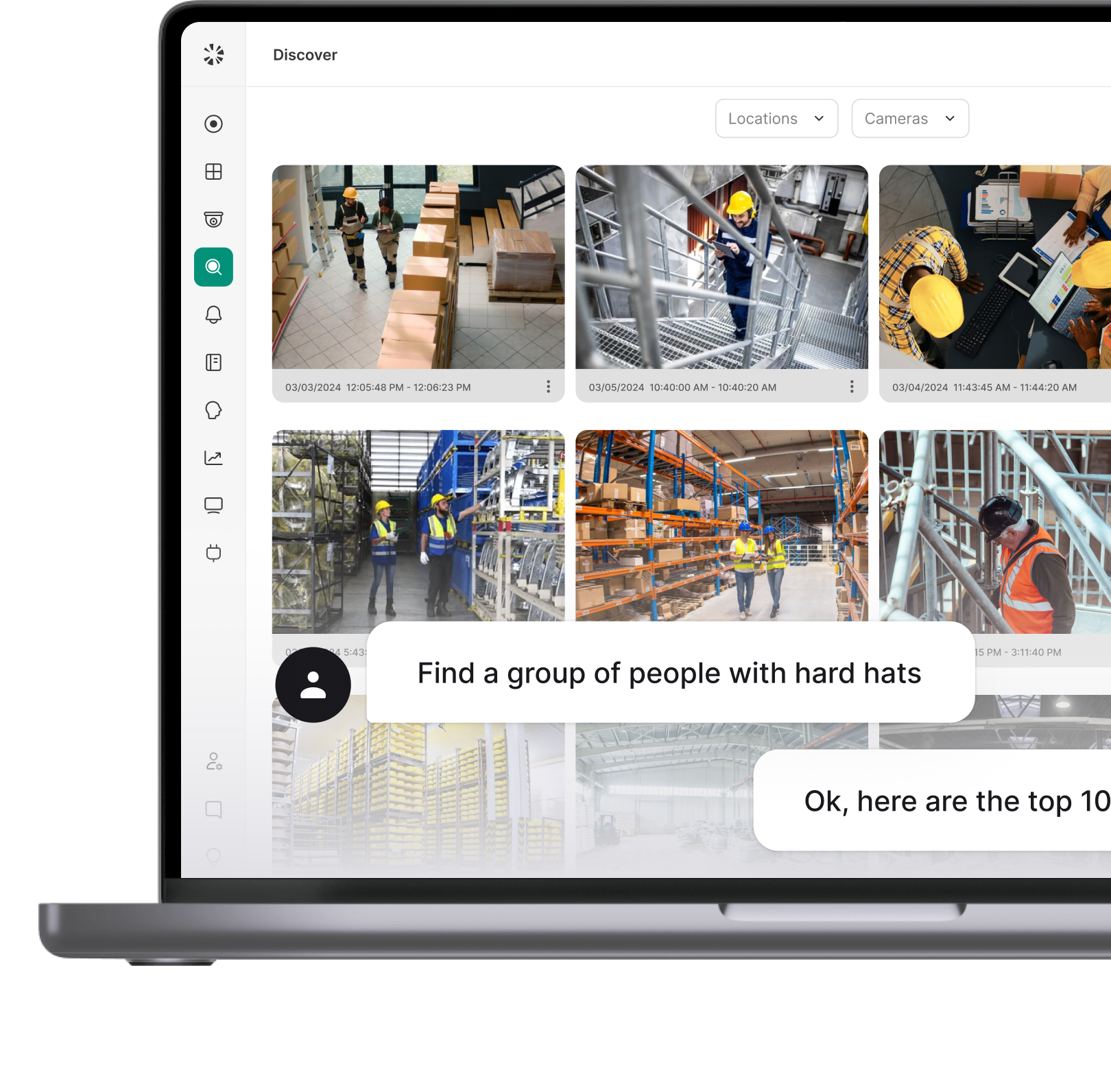
The shift toward cloud-native, open platforms isn’t theoretical; it’s already happening. Platforms like Coram represent this new category of infrastructure intelligence systems, where video surveillance is no longer just about recording, but about understanding and acting in real time. Without being locked into proprietary hardware, such platforms:
- Work with existing IP cameras
- Provide centralized, cloud-based control
- Offer AI-driven capabilities like real-time alerts, search, and analytics
- Enable seamless access across web and mobile
The value isn’t just in features, it’s in how everything comes together into a single, cohesive system.
The Bigger Shift: From Systems to Strategy
Choosing a cloud-native, open platform is not just a technical decision—it’s a strategic one. It determines:
- How fast can you scale
- How well you can respond to risks
- How efficiently your teams operate
- How prepared are you for future demands
In 2026, infrastructure is no longer a backend function. It’s a competitive advantage. And organizations that move early, toward flexible, intelligent, and open systems, won’t just improve security. They’ll build a foundation that supports growth, agility, and smarter decision-making for years to come.
How to Deploy in Phases?
Modernizing your security infrastructure doesn’t have to be a high-risk, all-at-once transformation. In fact, the most successful organizations treat it as a phased rollout — one that protects daily operations while steadily upgrading capabilities.
Start With High-Impact Zones
Begin where risk and visibility matter most, entry/exit points, high-value asset areas, or locations with frequent incidents. This allows you to see immediate improvements without disrupting your entire system. Early wins also help build internal confidence and stakeholder buy-in.
Run Parallel Systems, Not Hard Switches
Avoid ripping out legacy systems overnight. Instead, run new and old systems in parallel during the transition. This ensures continuity, minimizes downtime, and gives your team time to adapt. It also allows you to validate performance before scaling further.
Standardize Before You Scale
Before expanding deployment, define clear standards, camera configurations, access controls, alert settings, and workflows. Without this, scaling can create inconsistency and operational confusion. Phased deployment gives you time to refine what “good” looks like before replicating it across locations.
Train Teams Along the Way
Technology adoption often fails not because of the system, but because teams aren’t comfortable using it. Introduce training in phases alongside deployment. As new features roll out, ensure your team knows how to use them effectively in real scenarios.
Expand With Data, Not Assumptions
Use insights from initial deployments to guide the next phase.
- What worked?
- Where were the gaps?
- Which alerts were useful vs noise?
This data-driven approach ensures each phase is smarter than the last.
Conclusion
Most organizations are sitting on aging, siloed surveillance systems (DVRs, proprietary NVRs, disconnected cameras from mixed vendors). They know the tech is outdated, but the perceived cost and complexity of infrastructure modernization keep them stuck.
A clear starting point is auditing what you already have:
- Evaluate image quality, coverage, and performance
- Assess storage, retention, and accessibility
- Review system reliability, alerts, and automation capabilities
- Check integration, usability, and scalability
From there, the shift toward a cloud-native, open platform becomes critical. Modern solutions like Coram combine AI infrastructure management, unified observability, and scalable cloud optimization without locking you into rigid systems.
The organizations that modernize now won’t just fix security gaps; they’ll build smarter, future-ready infrastructure that keeps them ahead.




.png)