A few years back, the decision of buying school safety software usually revolved around a specific problem. If visitor check-ins felt risky, you could add a visitor management system. If communication during emergencies was slow, implementing an alerting tool would work. If threat assessments needed structure, you brought in a formal workflow platform.
Each decision addressed something immediate and necessary. However, as those decisions accumulated, districts built layered systems. And while each tool may perform well on its own, they don’t always function as one coordinated program. That’s why modern security systems must help you understand if the tools you already have are actually working together well enough.
In simple terms, the shift here is from purchasing tools to building an integrated system. With that in mind, this blog compares Raptor, Navigate360, and Coram across multiple parameters, so you can better understand how each platform fits into a unified safety strategy.
What School Safety Platforms Are Designed to Do?
Before comparing specific vendors, let’s briefly look at what a school safety platform is actually meant to handle. This is critical to consider because most districts didn’t design their safety framework in one go. However, when these tools accumulate over time, they don’t automatically form a unified structure. Here are some key functions a school safety platform should serve:
1. Integrated and Multi-Layered Emergency Response
In most districts, safety components were added over time. Visitor management may be handled through one system. Access control may run on another. Emergency alerts may sit in a separate platform. While each tool works individually, they often require manual coordination during an incident.
An effective safety platform removes that separation so that when an alert is initiated, the response follows a predefined sequence automatically. Hence, a platform should allow for simple alert initiation, and once activated, it should simultaneously handle notification distribution and alignment with building-level systems where applicable.
2. Customizable and Scalable Structure
Even if a platform integrates well, it still needs to reflect how your district operates. Why? That’s because every district follows a different escalation model, reporting chain, and decision-making structure. If the system forces a rigid workflow that doesn’t match your policies, staff will either work around it or rely on parallel processes.
That’s why customization and scalability matter. You should be able to define who gets notified first, how incidents escalate, and how documentation is structured based on your governance model. At the same time, the platform should scale as your district grows, reorganizes, or updates compliance requirements.
3. Instant and Streamlined Communication
In any emergency, delays usually happen because information moves unevenly. One group hears something first. Another waits for confirmation. Someone else relies on a phone call. That inconsistency slows coordination.
A school safety platform should remove that uneven flow. Alerts should reach the right staff immediately based on predefined roles. Administrators should see updates in real time while first responders should receive clear location details without someone relaying information across platforms. This way, everyone operates from the same live information.
4. Real-Time Location and Structured Reporting
During an incident, vague information creates confusion. If an alert simply says there’s an issue on campus, administrators still have to call and confirm where exactly it’s happening. That back-and-forth slows coordination. That’s why a safety platform should capture precise location data at the moment the alert is triggered, so responders can move directly.
If this information is scattered across emails, messages, or separate systems, compiling reports becomes manual work. However, when reporting is built into the platform, every action is logged automatically. That makes compliance reviews easier, supports funding discussions, and allows leadership to review patterns over time.
5. User-Friendly Under Stress
If triggering an alert requires multiple steps or if critical information is buried behind complex menus, hesitation increases. Over time, that hesitation reduces confidence in the system itself. That’s why a practical safety platform minimizes that friction by making activation immediate and straightforward.
Usability also affects coordination beyond internal staff. First responders should receive clear, structured information that does not require interpretation or follow-up clarification. Location details, building access points, and relevant context should be presented in a way that supports quick decision-making.
Raptor vs Navigate360 vs Coram
Raptor and Navigate360 are both well-known in the school safety space. Most districts looking at one are usually looking at the other. They’re often evaluated for emergency management workflows, visitor controls, documentation, and district-level coordination.
Coram sits in the same safety conversation, but it approaches the problem by using AI to detect threats, identify individuals, and generate real-time alerts from existing infrastructure. To understand where each platform fits, let’s look at them individually first:
Raptor Technologies
Raptor Technologies is a K-12-focused school safety platform that has been operating for over two decades. It provides a suite of safety products designed to help districts manage daily campus operations as well as emergencies within a single ecosystem. Basically, it is centered on structured workflows and standardized processes for consistency across multiple campuses.
It has 4 core capabilities:
Navigate360
Navigate360 is another K-12 safety platform that focuses on emergency response tools, panic alert systems, digital campus mapping, visitor management, and student movement tracking. Its offering covers both preparedness activities, such as drill planning and site mapping, and real-time response functions like panic activation and alert routing.
Here is a brief glance at its main capabilities:
Coram
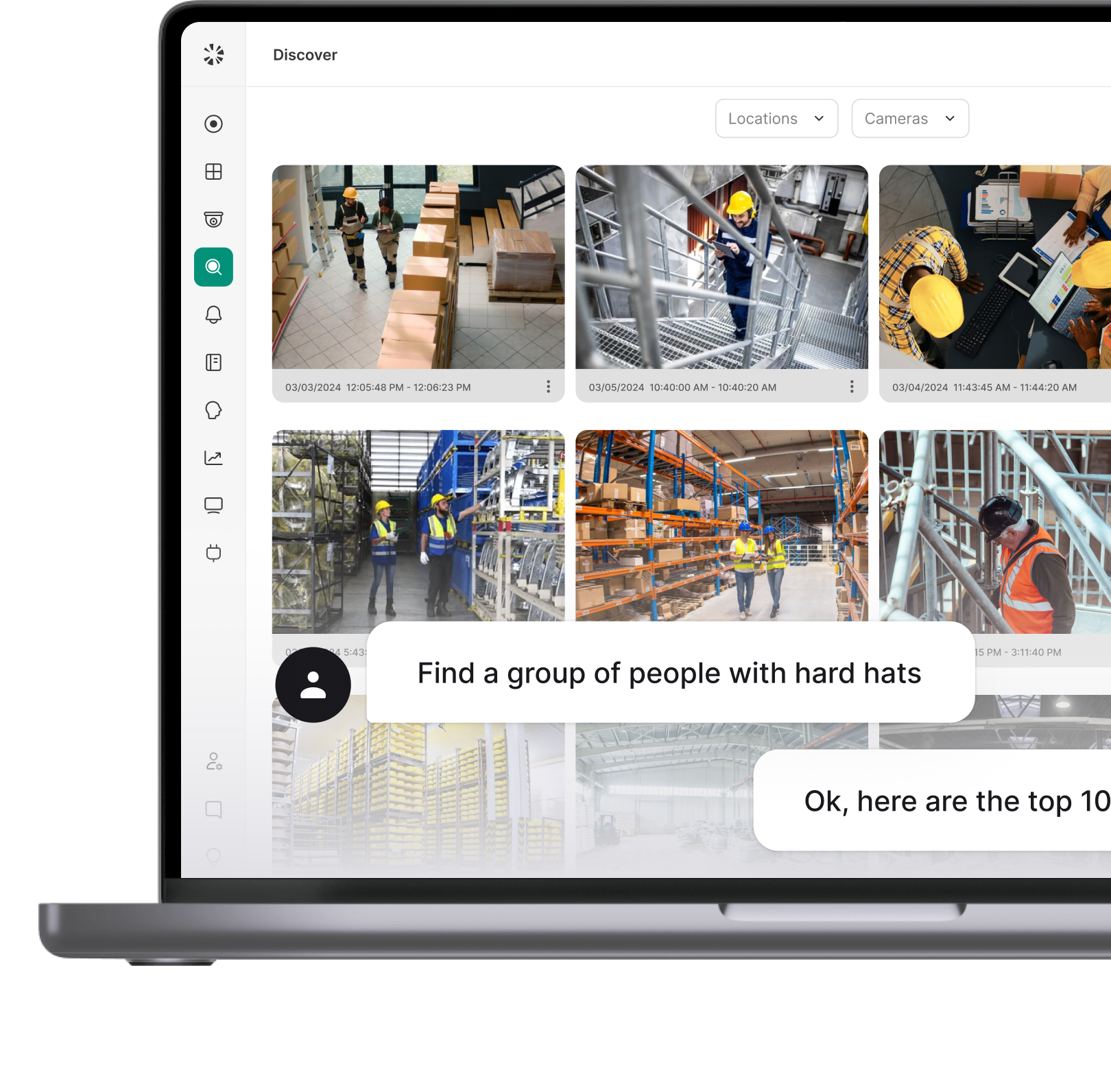
Coram AI is an AI-driven security system that primarily focuses on intelligent detection and alerting features. It is designed to work with existing IP cameras, and applies computer vision and machine learning across live feeds to provide real-time insights and automated alerts without requiring users to replace their current hardware.
This allows schools to use cloud-managed AI capabilities on top of their installed infrastructure while gaining visibility and threat detection previously available only through advanced video systems. All in all, the core capabilities can be summarized as:
Raptor vs Navigate360 vs Coram
All these three platforms are often evaluated for similar district-wide safety goals, but they are built on very different models. So, let’s place their core capabilities side by side to see where those differences can meaningfully impact your operations:
Which Platform Is the Right Fit?
It depends on what your district is prioritizing and just as importantly, what problem you’re trying to solve first.
If the immediate goal is to standardize safety processes across campuses, then structured workflow platforms become highly relevant. In that case, Raptor is typically preferred for:
- Established emergency management workflows
- Visitor and volunteer screening systems
- Reunification documentation and drill tracking
- Compliance-ready reporting across campuses
Similarly, if your district is looking to connect preparedness planning with operational oversight, especially around student movement and behavioral monitoring, then Navigate360 can be preferred for:
- Integrated emergency planning and drill tools
- Panic alert systems with configurable escalation
- Digital hall pass monitoring (HallPass360)
- Behavioral documentation tied to safety workflows
While both Raptor and Navigate360 are built around structured reporting and response processes, Coram introduces a different layer altogether with live intelligence. That means threats can be identified through AI detection before manual reporting or panic activation even occurs. Hence, it provides:
- Real-time gun detection alerts
- Facial recognition and person tracking
- License plate recognition for vehicle monitoring
- Automated intrusion detection
- Rapid AI-based video search during investigations
So, if you are looking to consolidate tools while adding measurable, real-time visibility across campuses, this difference can actually make all the difference. Because at a certain point, everything comes down to how early you can detect and prevent mishaps!
Final Takeaway
Ultimately, choosing a school safety platform is a structural decision. It defines how information moves, how accountability is maintained, and how quickly a district can respond when circumstances change. And as expectations around safety continue to evolve, it all comes down to choosing a system that supports both operational stability and future adaptability.
Raptor and Navigate360 each bring strong, structured approaches to managing safety processes. Coram, however, adds another dimension by combining that operational structure with real-time intelligence from live camera feeds. That shift changes the whole conversation from simply organizing responses to identifying and handling risks as they develop.




.png)