The best access control companies in 2026 are Coram, Brivo, Honeywell (LenelS2), Genetec, Kisi, Bosch, ButterflyMX, and Ubiquiti UniFi. Each one suits a different kind of buyer, and the gap between them has narrowed considerably in the last year as cloud options arrived across the enterprise vendors.
This page is a vendor directory. It covers who these companies are, what they actually sell today, and where each one fits. If you're still working out what kind of system you need, start with our complete access control systems buyer's guide instead, then come back here to compare vendors.
Access Control Companies Compared
The 8 Best Access Control Companies
1. Coram
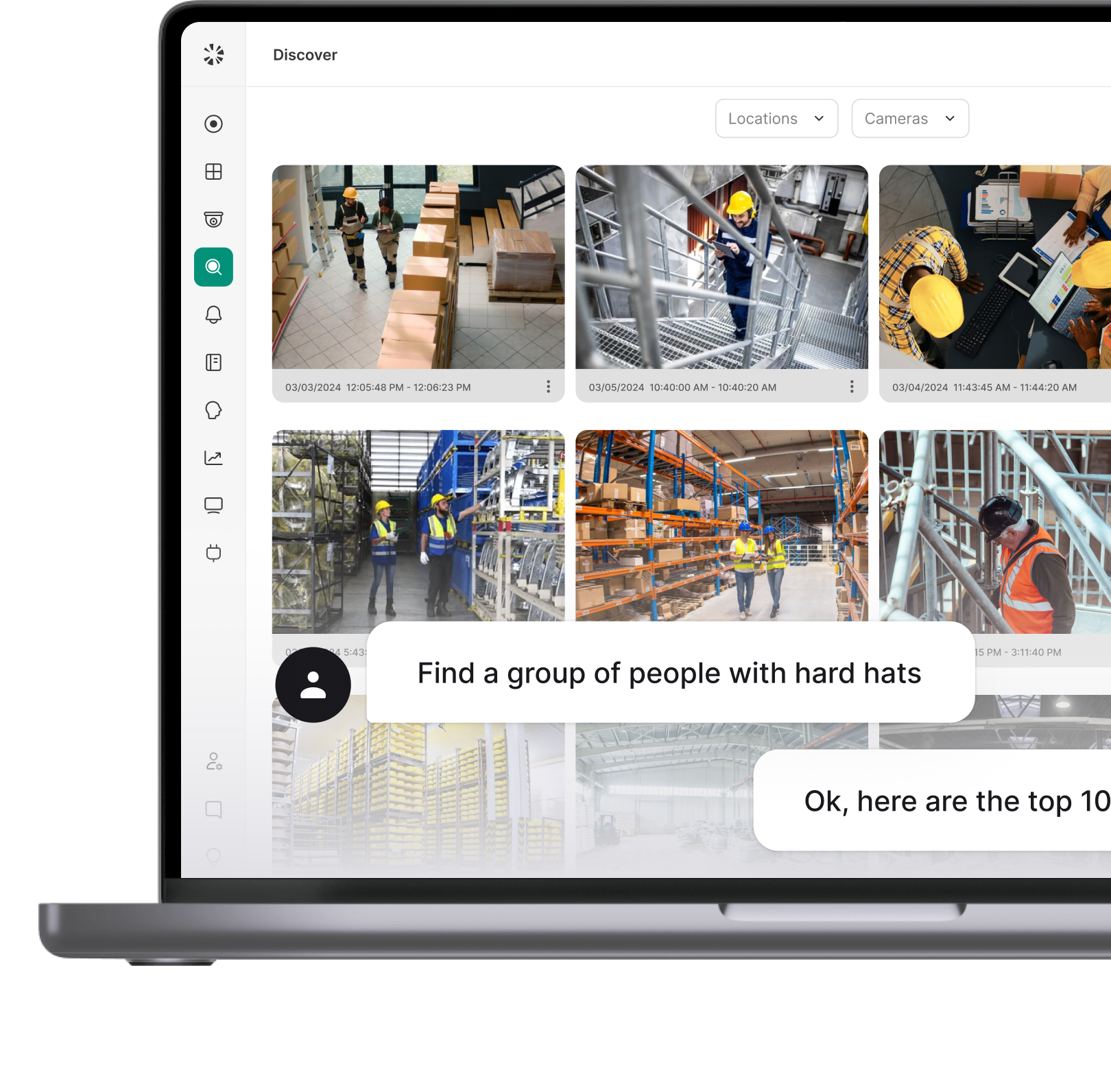
Coram is an AI native unified physical security platform that brings access control, video, visitors, and emergency response together in one system. Most vendors on this list sell access control and integrate video separately. Coram treats them as one product, which means a door event and the footage of that door event live in the same place by default.
It's built to work with infrastructure you already own, including existing readers, locks, and controllers on the access side and any ONVIF-compliant IP camera on the video side. That matters most for organizations that have already invested in hardware and want to modernize the software layer without a full replacement.
Pros
- Access, video, visitors, and emergency response in one platform instead of four systems and four contracts
- Every door event is backed by synchronized video, so you can verify what happened rather than reading a log entry
- Works with existing readers, locks, controllers, and ONVIF cameras, so there's no forced hardware refresh
- Remote lockdown and door control across every site from one console or the mobile app
- Access control continues to work locally during a network outage
- Emergency Management is included, covering panic buttons, 911 auto-connect through RapidSOS, and reunification workflows
Cons
- Newer to access control than the legacy incumbents, so a handful of mature enterprise PACS workflows are still maturing
- Needs a stable network for full cloud functionality
2. Brivo
Brivo is a cloud-first access control manufacturer and one of the most established names in the category, with a robust, easy-to-manage, and highly scalable platform. It suits everything from small businesses to multi-site enterprises.
The important development: Brivo merged with Eagle Eye Networks in December 2025, and the combined company operates under the Brivo name with Dean Drako as CEO. Brivo Security Suite now covers access control, cloud video, visitor management, and intrusion natively, where previously video required a separate vendor and manual integration. If you evaluated Brivo before 2026, the video story has changed.
Pros
- Native cloud video since the Eagle Eye merger, so access and video sit in one platform
- Employees can use smartphones to access facilities
- Open API integrates with other cloud-based apps
- Analytics give administrators deeper insight into access patterns
- Grows easily as you expand from a few doors to many
Cons
- Advanced integrations and analytics carry a steeper learning curve
- Subscription fees for cloud services add up over time
- Dependence on steady connectivity can be a drawback where service is unstable
3. Honeywell (LenelS2)
Honeywell is a global name in security, and its access control portfolio now includes LenelS2, which sits under the Honeywell Buildings brand. That gives Honeywell three distinct paths: OnGuard for large on-premise enterprise deployments, OnGuard Cloud as a single-tenant SaaS version hosted on AWS, and Elements as a cloud-native access and video platform aimed at SMBs and multi-site organizations.
Elements is the one worth knowing about if you last looked at Lenel as an on-premise-only vendor. It's built on Azure, mobile-first, and includes video verification in the same web portal as access control. An OnGuard Connector links the two if you want centralized cardholder management at headquarters with cloud-managed branch sites.
Pros
- Compatible with mobile access, biometrics, and traditional cards
- Cloud, on-premise, and hybrid options across OnGuard, OnGuard Cloud, and Elements
- Can manage many facilities under one system
- Integrates with Honeywell building, video, and intrusion detection systems
- Advanced features and compliance capabilities suited to large and regulated facilities
Cons
- OnGuard deployments may demand local servers, adding installation complexity and maintenance
- Setup and configuration usually require professional support
- Premium pricing reflecting the enterprise focus
- The three-product structure can be confusing to navigate during evaluation
4. Genetec
Genetec is an enterprise physical security software company whose Security Center platform unifies access control (Synergis), video (Omnicast), and license plate recognition (AutoVu) under one roof. It's a common choice in critical infrastructure, transit, and government.
Genetec now sells Security Center SaaS alongside the traditional on-premise perpetual license, so the "Genetec means servers" assumption no longer holds. Cloudlink appliances let organizations bring existing access control and intrusion hardware into the cloud rather than replacing it, and the SaaS edition added front desk, intrusion panel, and biometric authentication capabilities through 2026.
Pros
- Genuinely unified access, video, and ALPR in one platform
- Cloud, on-premise, and hybrid deployment without a rip and replace requirement
- Open architecture with broad third-party hardware support
- Strong track record in high-security and regulated environments
Cons
- Among the most expensive options, with per-channel licensing plus an annual maintenance agreement on the on-premise path
- No public list pricing, so a certified partner quote is the only firm number
- Complexity and certification requirements mean you're usually buying through an integrator
5. Kisi
Kisi is a modern, cloud-based access control manufacturer known for a clean interface and mobile access. Its platform connects with visitor management tools, HR systems, and office software, which makes it a common pick for offices and coworking spaces that want something versatile and quick to run.
Pros
- Tracks and logs entries for better compliance and transparency
- Administrators can add or revoke access from anywhere at any time
- Open API lets companies connect access control to existing systems
- Supports contactless entry using smartphones
Cons
- Reliance on cloud management is a risk if connectivity is compromised
- No native video, so surveillance means a second vendor
- May lack advanced security features required in highly regulated spaces
- Less customization depth than enterprise-focused systems
6. Bosch
Bosch brings its hardware reputation to access control, with systems designed to integrate into larger building automation and security deployments. That makes it a fit for industrial and commercial settings where durability and detailed control matter more than deployment speed.
Pros
- Suited to mid-sized and large-scale usage with advanced monitoring and reporting
- Flexible options that can be customized to complex security and operational demands
- Integrates with Bosch's other security and building management solutions
- Designed for durability in demanding conditions
Cons
- May need specialized technical expertise and longer deployment times
- Higher price point
- Advanced systems need continuous professional support and periodic upgrades
- Cloud options lag behind the cloud-native vendors on this list
7. ButterflyMX
ButterflyMX offers cloud-based access control and video intercom, primarily for multifamily residential buildings and small commercial properties. It emphasizes simplicity, with mobile credentials and an intuitive interface that suits property owners modernizing entry without a large IT effort.
Pros
- Combines access control with video intercom for building entry and guest verification
- Contactless entry and guest verification through smartphones
- Minimal disruption to existing systems
Cons
- Relies on stable internet connectivity for best performance
- Built for residential and small commercial, so it lacks enterprise features
- May not scale well for large commercial installations needing deep customization
- Video intercom is not the same as video surveillance, which is a common point of confusion
8. Ubiquiti UniFi
UniFi Access is Ubiquiti's door access product, and it belongs on this list for one reason: there's no recurring software fee. The Access application runs on a UniFi OS console you likely already own if you use Ubiquiti networking, and you pay for hardware once.
It works with standard electric strikes and magnetic locks, and pairs with UniFi Protect for video. Recent releases closed some of the gaps that kept it off commercial shortlists, including second-person authentication and a relay module. It's an IT-managed system, not a serviced one, so it fits organizations with in-house technical staff.
Pros
- No subscription fee for the software, which is unusual in this category
- Access and video in one interface if you also run UniFi Protect
- Doors unlock locally, with no cloud dependency
- Works with standard third-party door hardware
- Lowest total cost of ownership on this list for small and mid-size sites
Cons
- Requires in-house IT capability, since there's no managed service layer
- Readers and hubs must be Ubiquiti, so it's not fully hardware-agnostic
- Limited compliance and audit tooling compared with enterprise PACS vendors
- Support is community and documentation led unless you buy optional paid support
How to Choose the Right Access Control Company
The right access control company depends less on feature checklists than on how much of your security operation you want in one place. If access control is the only gap, Kisi and UniFi are straightforward. If you're running multiple sites and tired of correlating door logs against separate camera footage, the unified platforms are the shorter path.
Whichever direction you go, evaluate against hardware you already own. The cost of replacing readers, controllers, and cameras usually outweighs the software difference between any two vendors on this list.
FAQ




.png)