.webp)
Heightened security and compliance concerns are pushing organizations to seek verified alternatives to Chinese-made surveillance equipment. With around 70 million cameras already deployed across the U.S., the surveillance infrastructure here is nearly as saturated as in China.
NDAA restrictions, geopolitical tensions, and privacy risks are growing. Therefore, businesses must evaluate the origin of their surveillance system to avoid compliance issues and security vulnerabilities.
{{cta-component}}
This article takes a closer look at security cameras not made in China, highlighting the best non-Chinese security cameras, their manufacturers, and countries of origin. You'll also learn about top American security camera companies and gain insights to guide compliant, risk-conscious purchasing decisions.
Why Countries Banned Chinese Security Cameras?
Governments worldwide are banning Chinese-made security cameras due to national security risks and data privacy vulnerabilities. Brands like Hikvision and Dahua have come under scrutiny for their ties to the Chinese government.
They dominate the global market but face accusations of potentially enabling espionage or unauthorized data access due to alleged backdoors and compliance with China’s intelligence laws. A CSIS survey found 224 confirmed espionage cases linked to Chinese operations against the U.S. since 2000.
{{cta-pop-up-component}}
This highlights the real national-security vulnerabilities associated with untrusted surveillance hardware. As a result, the U.S. led the charge with the National Defense Authorization Act (NDAA) Section 889 of 2019, prohibiting federal use of these devices.
Also, the FCC barred new sales of Huawei, Hytera, Hangzhou Hikvision, ZTE, and Dahua surveillance cameras entirely. A 2022 directive removed Chinese cameras from sensitive government sites in the UK. Similar reviews and bans are underway in Australia and the EU, strengthening regulations around critical infrastructure.
The result? Security professionals now prioritize NDAA-compliant, privacy-focused solutions to protect citizen data, intellectual property, and critical operations. This urgency fuels demand for non-Chinese security cameras, including American-made models from firms such as Coram and Verkada.
Are Any Security Cameras Made in The USA?
Yes, there are American-made security cameras, and their demand is rising. According to market research, the U.S. surveillance IP camera market was valued at $3.4 billion in 2024 and is projected to reach $6.9 billion by 2029. This underscores strong demand for secure, NDAA-compliant systems.
With rising concerns over surveillance vulnerabilities in Chinese-manufactured systems, many buyers are actively seeking security cameras not made in China. While many American security camera companies still outsource some assembly, several now manufacture and assemble their products domestically.
These manufacturers often focus on high-performance, enterprise-grade solutions designed with strict security standards in mind. Many of these American-made models often exceed NDAA guidelines and deliver:
- End-to-end encryption
- AI-powered threat detection and analytics
- Firmware patching programs
- Cloud-based storage
- License plate recognition
That makes them ideal for sensitive environments such as government buildings, schools, hospitals, and defense operations. They cost more than Chinese models but the trade-off is clear:
- Better data control
- Assured regulatory compliance
- Peace of mind that your surveillance system isn’t transmitting data to unauthorized overseas servers
As federal scrutiny tightens and compliance expectations rise, U.S.-based camera manufacturers are fast becoming the go-to choice for risk-conscious buyers.
How Coram Differs From Chinese Security Camera Companies
Coram stands out from traditional Chinese security camera companies in compliance, transparency, and trust. While many Chinese brands face scrutiny for illegal data practices and potential backdoors, Coram was built around accountability and privacy by design.
Unlike Chinese manufacturers tied to state intelligence laws, Coram is a U.S.-based company manufacturing NDAA-compliant security systems in America/Taiwan. This eliminates the supply chain uncertainty and risk that come with Chinese surveillance brands.
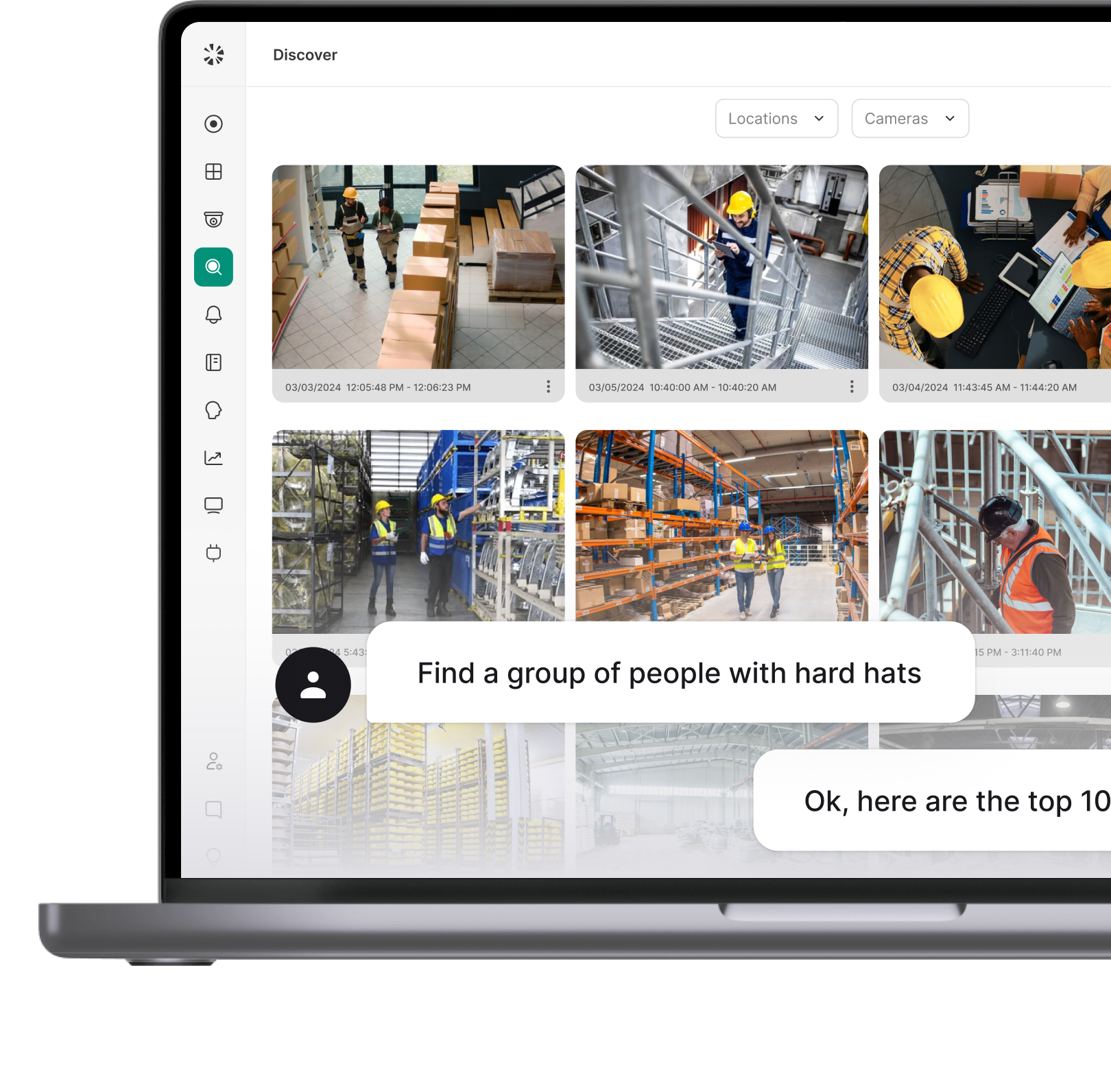
Every component Coram uses is sourced and vetted to meet strict U.S. government procurement standards. Coram also integrates AI-powered analytics directly into its hardware. Hence, they provide advanced features like weapon detection, threat detection, and license plate recognition without sending sensitive footage to offshore servers. Its cloud infrastructure is fully U.S.-hosted, ensuring that footage never leaves your jurisdiction.
In addition, Coram emphasizes continuous firmware updates and full software transparency, so IT teams can trust that what’s inside their systems won’t compromise what's outside. Overall, Coram’s tech-forward, privacy-first approach makes it a superior alternative to Chinese surveillance vendors.
Who is Required to Switch to Non-Chinese Security Cameras?
Under the NDAA, any organization that handles controlled or sensitive data (especially those contracting with the federal government) must avoid Chinese-made video surveillance cameras.
That means if you’re managing security systems for a U.S. government agency, military, or federally funded institution, you’re required to use non-Chinese security cameras. Who falls directly into this requirement?
- U.S. Federal Government Agencies and Contractors
For organizations that are part of a government body, NDAA forbids the use or procurement of cameras from banned Chinese vendors. This also applies to businesses receiving federal funding.
- Federal Contractors and Subcontractors
Any private company, prime contractor, or subcontractor working on federal contracts must use NDAA-compliant security cameras not made in China. Even if the contract covers just part of a campus or facility, choosing cameras from American security camera companies ensures compliance and your ability to win future bids.
- State and Local Governments
Many states have enacted their bans mirroring the NDAA. For instance, Texas, Florida, Tennessee, and others prohibit covered Chinese equipment on government property and sensitive infrastructure. The list is growing, so always check your specific state procurement rules.
- Critical Infrastructure Operators
Entities in energy, utilities, transportation, and telecoms face intense regulatory pressure from DHS, TSA, and NERC pressure them to eliminate supply chain risks. Using the best non-Chinese security cameras from trusted American security camera companies is now a baseline security requirement to protect essential services.
- Private Enterprises with Government Ties
This is not just for government entities. Many universities, defense suppliers, large enterprises, and grant-funded projects often specify NDAA-compliant gear in RFPs to avoid procurement delays or disqualifications. Hence, savvy procurement teams are turning to leading American security camera companies with a proven supply chain.
- Entities Subject to Specific Privacy Regulations
Organizations handling highly sensitive data or operating under strict data sovereignty requirements face heightened liability for insecure supply chains. These include businesses in healthcare and finance. So, switching to American-made security cameras becomes a key risk alleviation strategy.
- Organizations with Security-Conscious Clients or Contracts
Enterprises serving government agencies, defense contractors, or privacy-focused industries often face contractual obligations demanding NDAA-compliant equipment. Thus, using banned gear can disqualify you from lucrative contracts.
Key Criteria for Choosing a Non-Chinese Security Camera
Selecting the right non-Chinese security cameras involves more than just avoiding a “Made in China” label. If you want to build a secure, compliant system, these five critical factors separate the contenders from the pretenders when evaluating the best non-Chinese security cameras:
- NDAA-compliance
Verify explicitly that the manufacturer and specific camera model are certified NDAA-compliant, meaning no components or tech should come from restricted entities. This is the standard for top-notch security. Don't just take marketing claims at face value; demand documentation.
- Transparent Data Practices
Where does your video data go? How is it encrypted? Does the vendor have clear, audited policies? Avoid opaque practices; instead, seek vendors that prioritize end-to-end encryption, clear retention policies, and data sovereignty guarantees. These are essential for privacy beyond hardware origin.
- Country of Manufacturing Vs. Headquarters
A company like Axis is headquartered in Sweden but can manufacture in Thailand or Poland. American security camera companies like Rhombus manufacture their software components in the USA and hardware in Taiwan.
Others may design in the U.S. but build elsewhere. Know the difference! For maximum supply chain control, American-made security cameras provide distinct advantages. But allied nation manufacturing is generally acceptable if verified.
- Software Security and Firmware Transparency
The hardware is only half the battle. How secure is the camera's OS and application software? Does the vendor have a robust, transparent process for regular security patches and timely vulnerability disclosures?
Is the firmware cryptographically signed and verifiable? Opt for vendors with strong software security practices.
- Supply Chain Security
Where do all the components come from? Secure non-Chinese security cameras require traceability down the supply chain. Reputable manufacturers audit their suppliers rigorously to prevent compromised chips or hidden backdoors. Look for vendors who openly publish their supply chain vetting processes and hold relevant certifications.
Non-Chinese Security Camera Manufacturers (By Country)
Deploying non-Chinese security cameras is essential for alleviating national security risks. Below, we explore five leading manufacturers of non-Chinese-made models, offering enterprise-grade solutions.
- Coram (Manufacturing Taiwan/USA)
As one of the few American-made security camera brands, Coram emphasizes transparency and privacy-first engineering. Their NDAA-compliant systems are designed for high-security environments, featuring end-to-end encryption and AI-driven analytics for intrusion detection.
Coram’s cloud-managed platforms integrate seamlessly with existing IT infrastructure. This makes them ideal for organizations seeking scalable, top non-Chinese surveillance cameras without compromising on U.S. data sovereignty.
- Verkada (Manufacturing Taiwan/USA)
Another standout among American security camera companies, Verkada combines sleek hardware with cloud-native software. Buyers comparing it against other non-Chinese options can see the full field of Verkada competitors for a side-by-side view.
Verkada processes analytics on the camera and manages everything through its Command cloud platform, which suits buyers who want a single-vendor stack.
- Hanwha Vision (Manufacturing South Korea)
A global leader in surveillance tech, Hanwha Vision (formerly Hanwha Techwin) delivers NDAA-compliant cameras with innovative optics and AI analytics. Their 4K and thermal imaging devices excel in critical infrastructure and smart city projects.
Hanwha’s commitment to R&D and adherence to international data privacy standards positions it as a top choice for buyers seeking the best non-Chinese surveillance systems.
- Axis Communications (Manufacturing Sweden)
A pioneer in network cameras, Axis Communications emphasizes ethical manufacturing and open-platform integration. Their cybersecurity features (like secure boot and signed firmware) align with the EU’s GDPR, appealing to privacy-conscious enterprises.
Axis’s lightweight, low-power cameras are built for sustainability, making them a favorite among government agencies' surveillance cameras.
- VIVOTEK (Manufacturing Taiwan)
VIVOTEK rounds out this list with NDAA-compliant, AI-powered cameras for traffic management and retail analytics. Despite Taiwan’s proximity to China, VIVOTEK maintains a distinct supply chain and adheres to U.S. regulatory standards.
Their focus on edge computing and ransomware-resistant design makes them a reliable alternative to Chinese-made models.
How to Verify NDAA Compliance or Country of Origin
Using non-Chinese security cameras is essential, but how do you prove a camera meets NDAA requirements? Relying solely on marketing claims is risky. So, businesses must perform rigorous verification.
- Demand Explicit Manufacturer Documentation
Reputable vendors provide clear, model-specific NDAA-compliance certificates or letters affirming the product contains zero covered telecommunications/surveillance equipment from restricted Chinese brands.
For origin, request a detailed Bill of Materials (BoM) breakdown or a country of origin certificate specifying final assembly location and key component sources. American security camera companies (for US-assembled lines) readily provide this.
- Look for TAA Compliance
The Trade Agreements Act (TAA) requires products sold to the U.S. government to be manufactured or “substantially transformed” in the U.S. or a designated “TAA-compliant” country. Many non-Chinese security cameras proudly state TAA compliance, providing a strong indicator of trusted manufacturing origin beyond just avoiding China. Verify the specific country listed.
- Scrutinize FCC ID Filings
Every electronic device sold in the United States has a unique FCC ID. Look it up in the FCC's Equipment Authorization Database. The filing often lists the manufacturer and, critically, the physical location of the product's final assembly. This is a concrete way to verify claims of American-made security cameras or manufacturing in other trusted nations.
- Check Government Procurement Lists and Trusted Partners
Utilize resources like GSA Advantage (for federal buyers) or state procurement lists, which often pre-vet vendors for NDAA/TAA compliance. Reputable distributors specializing in government and infrastructure sales rigorously vet their suppliers for compliance and origin claims.
- Audit Supply Chain Disclosures
Secure vendors are transparent. Check for published supply chain security policies, details on component sourcing, and third-party audits verifying manufacturing locations and the absence of banned tech. American security camera companies that focus on U.S. production often emphasize this traceability.
Note: Verification is Ongoing
Compliance is not a one-time checkbox because manufacturers can change suppliers or production locations. Regularly re-verify critical systems, especially before major deployments or renewals.
Conclusion
As regulatory scrutiny intensifies and data security becomes a priority, organizations can no longer afford to rely on surveillance systems with questionable origins. Hence they deploy NDAA-compliant, privacy-first solutions that meet today’s compliance and operational demands.
Coram delivers USA/Taiwan made security cameras designed for high-risk, regulated environments. With end-to-end encryption, secure cloud infrastructure, and transparent supply chains, Coram stands apart from legacy Chinese vendors.
If your organization wants to upgrade to non-Chinese security surveillance systems, Coram is the strategic surveillance partner you’ve been looking for. Book a free consultation today to assess your current surveillance setup and see how Coram can help you stay compliant, secure, and ahead of regulations.
FAQ




.png)