Every HOA board eventually has the same conversation: the gate code hasn't changed in three years, half the community has shared it with contractors and dog walkers, and nobody can say who came through last Tuesday night. Guests wait at the callbox while residents miss calls, and packages pile up because delivery drivers don't have a way in.
Gated community access control systems fix this by replacing shared codes with credentials tied to specific people, and pairing every entry with a record of who used it.
This guide covers how to choose a system for a residential community, how the access methods compare, what it costs, and how video closes the gap a gate alone leaves open.
TL;DR
- Gated community access control comes down to six factors: resident vs. visitor access, gate vs. amenity doors, credential type, audit trail, management effort, and budget, more than any single vendor or feature.
- Six access methods exist (keypad, RFID, mobile/app, callbox/video, LPR, guard), and the strongest setups usually combine two rather than relying on one, with mobile, RFID, and LPR replacing the shared "universal gate code" that causes most security gaps.
- The vehicle gate and the doors residents actually use daily (clubhouse, pool, gym, mailroom) are different systems from different vendors, and Coram fits the second layer: resident credentials, access levels, and event logs, with footage paired to each event where Coram's video security is deployed on the same platform.
- Cost breaks into five line items (hardware, readers, software, installation, ongoing management), with most HOAs folding subscriptions into dues and billing move-in or replacement fees separately.
How to Choose a Gated Community Access Control System
Six factors decide whether a system works for a residential community, more than any single feature or brand name.
Resident Access vs. Visitor Access
Residents need access that doesn't require them to think about it: a fob, an app, a car tag. Visitors and delivery drivers need a way in that doesn't depend on a resident being home.
Vehicle Gate vs. Pedestrian and Amenity Doors
The entrance gate and the doors at the clubhouse, pool, or mailroom are usually different jobs, often from different vendors. A system built only for the gate won't manage the gym.
Credential Type
Fobs get lost and shared. PIN codes spread through a group chat within a week. Mobile credentials tie access to a phone that's usually locked, which means less work for the board later.
Audit Trail and Event Logging
A system that only opens the gate is doing half the job. The other half is answering who came through and when, something most legacy gate systems skip entirely.
Ongoing Management Effort
Cloud-based systems let a manager add or remove access from a phone. On-prem systems usually mean a technician visit for anything beyond a basic reset.
What Happens When the Internet Drops
A cloud dashboard is only useful if the door still works without it. Ask any vendor what happens at the reader during an outage: whether existing credentials and schedules keep working locally, whether events are still recorded while the connection is down, and whether those records sync once it returns. For amenity doors residents rely on daily, this matters more than most feature comparisons suggest.
Budget, and Who Pays
Hardware, readers, software, and installation are usually separate line items, and HOAs split costs differently: some roll it into dues, some bill at move-in, some charge residents for lost-credential replacements.
Gated Community Access Methods Compared
Types of Gated Community Access Control
Six methods show up across gated communities today, though the strongest systems usually combine at least two rather than relying on just one.
Keypad and PIN Codes
The oldest and cheapest way to control a gate, and where the "universal gate code" problem starts. One code goes out to residents, and within a season it's shared with contractors, dog walkers, and anyone else who asked, with no way to know who used it.
Fine as a stopgap or a low-traffic side gate, weakest for a community that wants to know who came through.
RFID Key Fobs and Cards
Fobs and cards fix the sharing problem keypads create, since each one is tied to a resident rather than everyone at once.
- Best for: vehicle gates and amenity doors with steady daily traffic
- Weak point: a lost or lent fob still grants access until someone manually deactivates it
The system only works as well as how fast a manager catches the loss.
Mobile and App Credentials
Mobile credentials use a resident's phone instead of a physical object, usually through an app that unlocks the gate remotely or with a tap.
Harder to share by accident, since phones stay locked. The tradeoff: they assume every resident owns a smartphone and keeps the app installed, not always true with older residents or short-term renters.
Callbox and Intercom with Video
Lets visitors call a resident directly at the gate instead of using a shared code.
- Strongest for: guest and vendor access at a manned or semi-manned entrance
- Weakest for: high visitor volume, since every guest waits for someone to pick up
Video turns a callbox from a communication tool into a verification one.
License Plate Recognition (LPR)
At the vehicle gate, license plate recognition reads a plate and checks it against registered residents or approved visitors, opening automatically for a match. Strongest for heavy daily traffic. Its limitation: it verifies the car, not the driver, so it doesn't help at pedestrian entries.
Guard or Virtual Guard
A guard, in person or virtual, adds a person to the decision instead of relying on a credential alone.
- Strongest for: communities that want identification checked against a visitor list, rather than relying on a scanned code alone
- Weakest for: cost and speed, since a manned gate is the most expensive option and can back up traffic at peak hours
Virtual guarding cuts cost by moving the guard off-site, but still depends on someone paying attention when a visitor arrives.
Fobs, mobile credentials, and LPR all swap a shared code for a credential tied to one person or vehicle, which is why boards moving away from a universal gate code usually pick one of these three.
Vehicle Gates vs. Pedestrian and Amenity Access Control
The gate at the entrance and the doors residents use inside the community, at the clubhouse, pool, gym, or mailroom, are two different systems.
Communities that treat them as one purchase usually end up with a vendor strong at one and weak at the other.
The Vehicle Gate
A mechanical problem first: a barrier arm or swing gate that has to open reliably for cars, triggered by a keypad, an RFID transponder, LPR, or a visitor code.
The vendors who build and service gate operators specialize in that hardware, not in managing credentials or reviewing footage.
Pedestrian and Amenity Doors
Standard door hardware paired with a reader, usually managed through software rather than a gate operator's control panel. This is typically where gym access control, pool access, and package room access get handled, often by a different vendor than the one who installed the gate.
A resident's fob or app credential can work at both, but only if the vendor supports that integration. Otherwise a community ends up managing two separate credential systems, the kind of overhead covered under "ongoing management effort" above.
How Readers, Credentials, and Video Work Together
Coram Access Control is a cloud-based door management platform that ties resident credentials, door hardware, access levels, and event logs together for every unlock. In a gated community, that means the clubhouse, pool, gym, and mailroom, not the vehicle gate itself.
One thing worth being precise about, because it changes what you need to buy: the event log is part of Access Control, but the footage attached to each event comes from Coram's video security product. Access and video sit on the same platform and the same login, so events and footage line up automatically once both are deployed. A community running Access Control alone gets the credential and event record without the video record.
- Credentials, rather than just codes: A resident becomes a user once added with at least one access method, a physical keycard or app-based remote unlock, or both. App-based unlock works through the Coram mobile app specifically, not through phone-as-card NFC or wallet credentials.
- Readers and controllers: Each door has a reader, which reads the credential, and a controller, which decides whether to unlock the door based on the access level assigned. Coram's readers work with both Wiegand and OSDP wiring, the two standard protocols most access control readers use, so a community keeps the door hardware it already has instead of replacing it building by building.
- Access levels define who can go where, and when: Once added as a user, a resident can be placed into access levels that determine which doors they can unlock and on what schedule.
- Every event gets logged: Every unlock attempt, door open or close, request-to-exit press, and forced entry generates an event log tied to the door and the credential used.
- Footage pairs to each event where video is deployed: With Coram video security running on the same platform, the log entry and the footage from that moment open together instead of being reconciled by hand.
- Doors keep working during an internet outage: Schedules, permissions, and issued cards continue to work locally at the door, events keep being recorded on site, and everything syncs back to the cloud once the connection returns. For amenity doors residents use daily, that continuity matters more than any dashboard feature.
- Remote unlock from a resident's phone: Users can unlock doors with the Coram mobile app on iOS or Android.
Where video is deployed alongside, a forced-entry alert opens with the footage from that moment attached, rather than a manager reviewing recordings separately to piece together what happened.
Best for: communities that want the clubhouse, pool, gym, and mailroom doors managed with resident-level permissions, and that are pairing access with cameras so every entry has a video record on the same platform.
How Visitor and Delivery Access Works in a Gated Community
Visitor and delivery access in a gated community usually runs through one of three methods: a one-time code, app-based remote unlock, or a callbox to the resident.
One-Time Codes and Digital Guest Passes
A resident generates a single-use or time-limited code and sends it to the guest by text or email. The visitor enters it at the gate without needing an app, an account, or a resident on the phone. It stops working once used or once the window closes.
App-Based Remote Unlock
Some systems let a resident unlock a gate or door remotely when a guest arrives, and they can't get to the entrance. Works well for a single expected visitor, less well for recurring vendors or a changing delivery schedule.
Callbox or Intercom to the Resident
A visitor presses a button, the resident answers by phone or app, and grants entry remotely. Still depends on someone answering, the main complaint boards hear from residents who miss calls at work.
Keeping a Record of Who Let Whom In
What matters afterward is the record: which code was used, who issued it, and when. Pairing the access method with dedicated visitor management turns that into a searchable log instead of a text thread a manager has to dig through.
Managing Resident Access and Permissions
Managing resident access day to day comes down to five recurring tasks: setting access levels, onboarding new residents, offboarding residents who move out, revoking a lost or stolen credential, and keeping amenity access separate from gate access.
Access Levels: Who Can Unlock What, and When
Access levels decide which doors a resident can open, and when, rather than issuing every credential as an all-access pass. A resident might have round-the-clock access to the gate and their own building, but no pool access after season, or none for a building they don't live in.
Onboarding New Residents
A new resident needs a credential issued and an access level assigned before move-in day, not after.
Communities that handle this manually, printing a card or programming a fob in person, tend to have a lag between move-in and working access.
That lag usually shows up as a temporary workaround, a shared code or a propped door, that quietly outlives the temporary need.
Offboarding Residents Who Move Out
This is the step boards forget most often. A resident who moves out keeps a working credential until someone deactivates it, and without a clear process that can mean months of unrevoked access nobody's tracking. Offboarding works best as a same-day task tied to move-out.
Revoking a Lost or Stolen Credential
A lost fob or card is a liability until it's deactivated, since anyone who finds it can use it exactly the way the original resident could.
The gap between a resident reporting a loss and a manager actually revoking it is where most of the real risk sits.
That gap is part of why credential type matters as much as it does in the earlier comparison; a mobile credential tied to a locked phone closes faster than a physical fob someone has to physically hand back.
Amenity-Only Access
Some residents don't need vehicle gate access: a renter on a short lease, or a household member without a car, may only need entry to their building and shared amenities.
Keeping amenity access as its own permission avoids handing out full community access to someone who only needs the pool and mailroom, the same principle behind gym access control: fitness center access without that carrying over to every other door.
What a Gated Community Access Control System Costs
A gated community access control system's total cost breaks down into five separate line items: gate or door hardware, readers, software or subscription fees, installation, and ongoing management.
What Drives the Price
- Hardware: The vehicle gate operator, barrier arm, or gate hardware itself is usually priced and installed separately from the access control layer, since it's typically a different vendor.
- Readers and credentials: Each door or gate needs a reader, and each resident needs a credential, whether that's a fob, a card, or a mobile app license. More entry points and more residents both scale this cost up directly.
- Software or subscription: Cloud-based systems typically run on a recurring subscription rather than a one-time purchase, covering ongoing access management, event logging, and remote credential control. If video is part of the plan, that's a separate product line and a separate line item.
- Installation: Wiring readers to controllers, running cable to each door, and configuring the software for a property's specific layout is a one-time labor cost that varies with how many entry points a community has.
- Ongoing management: Someone still has to add new residents, revoke lost credentials, and review event logs, whether that's part of a property manager's existing workload or a dedicated managed-service line item.
Rough Cost Tiers by Approach
Matching the earlier table, keypad and PIN systems sit at the low end, needing minimal hardware and usually no subscription. RFID fobs and mobile credentials land in the middle. LPR and guard or virtual guard services sit at the high end, LPR because of camera hardware and per-vehicle setup, guard services because of ongoing staffing costs.
Ask a vendor to break out each line item separately, rather than accepting a single bundled number that hides which piece is driving the total.
Who Pays in an HOA
Most communities fold the recurring subscription and standard credential cost into dues, the same way they'd fold in landscaping or a pool contract. Move-in fees often cover a new resident's first credential, so dues aren't absorbing that one-time cost.
Replacement fees for a lost fob are typically billed directly to the resident, both to cover the cost and discourage careless replacements.
How AI Video Catches Tailgating and Shared-Code Access
A gate or door stops the credential it recognizes. It doesn't stop whoever's walking or driving close enough behind the person who badged in.
Credential-only systems can't catch this. A resident scans a fob or badges into the mailroom, the gate logs a valid entry because it was one, and there's no record of the second person who came through on the same open cycle. Shared keypad codes make this worse: dozens of people might have the code, and the log can't say which one of them used it on a given entry.
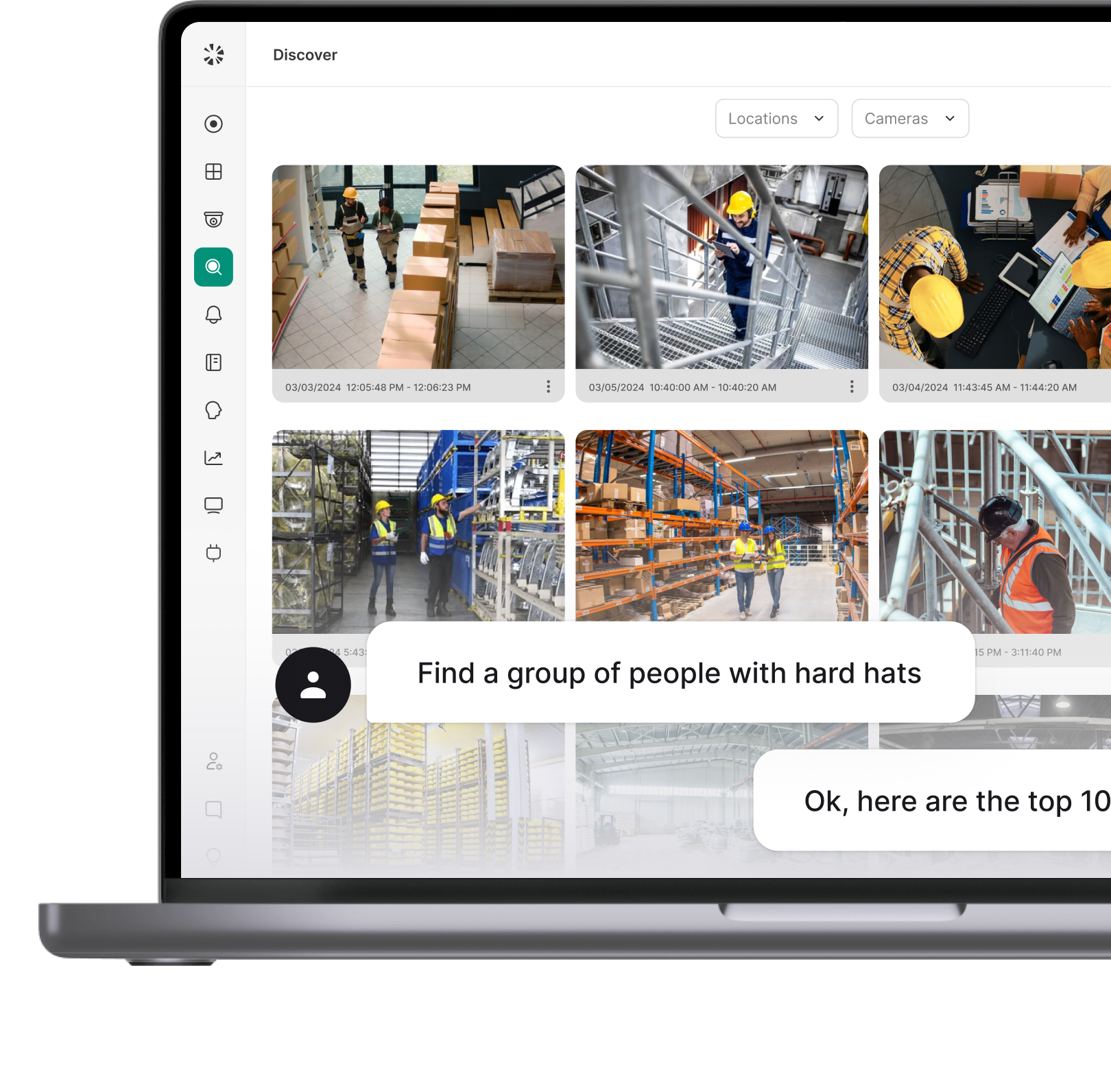
Video tied to the event is what closes that gap, and it's the reason access and video are worth buying as one platform rather than two.
With Coram Access Control and Coram video security deployed together, every unlock attempt, door open or close, request-to-exit press, and forced entry generates an event log with the footage from that specific moment attached.
If two people come through on one resident's credential, the footage from that entry shows it. A manager gets something to review, not just a log confirming the credential was valid.
This matters most at the doors Coram is built for: the clubhouse, pool, gym, and mailroom, where a valid entry and an unauthorized person walking through it look identical on an access log alone.
Emergency Access, Mail Delivery, and Accessibility Rules
A gated community's access system has to work for people who aren't residents and can't be expected to have a credential: first responders, mail carriers, and residents or guests with disabilities. Missing any of these isn't just an inconvenience; it can be a liability.
Emergency and First-Responder Access
Fire, police, and EMS need a way through the gate that doesn't depend on a dispatcher calling a resident or waiting for a manager to buzz them in.
Most communities handle this with a Knox Box or similar lockbox at the gate holding an override key or code, a dedicated emergency access code shared with local fire and police departments, or a radio-based override system some gate operators support directly. Whatever the method, it needs to work when the property management office is closed, since emergencies don't wait for business hours.
USPS and Delivery Access
Mail access isn't a courtesy question, it's a planning requirement. Under the USPS National Delivery Planning Standards (Publication 632), the Postal Service determines the mode of delivery for a new development in coordination with the builder or developer, and the builder or property owner is responsible for providing lock and key service for cluster box units. The Postal Service furnishes the master access lock that lets a carrier deliver.
Where a carrier needs to get through a locked entrance to reach the boxes, the standard mechanism is a key keeper at the point of entry, built and installed to the USPS specification for key keepers, holding the key or access device behind a postal lock. That's the arrangement to ask about, rather than handing out the resident gate code, since carriers aren't in a position to be responsible for a shared code.
The practical consequence of getting this wrong isn't dramatic, but it is lasting: the Postal Service decides where delivery happens, so a community that can't provide reliable carrier access is likely to end up with centralized boxes outside the gate rather than delivery inside it. Confirm the arrangement with your local USPS Growth Manager before the gate hardware is specified.
Package carriers like UPS and FedEx don't have the same planning standards behind them, but the same access problem applies, and a delivery method that depends on a driver waiting for a callback tends to fail during high-volume periods.
Resident Privacy
Video at the gate and at amenity entrances raises privacy questions that vary by state, particularly around how long footage is retained, who can request access to it, and whether residents need to be notified that cameras are in use.
These rules differ enough by jurisdiction that a community should confirm its specific obligations with legal counsel rather than assume a vendor's default settings are compliant everywhere.
Accessibility at Pedestrian Entries: Fair Housing Act, Not ADA
Boards often reach for the ADA here, but for a residential community that's usually the wrong statute. ADA Title III governs places of public accommodation. Courts have generally held that a purely private residential community with restricted access doesn't automatically qualify, so a clubhouse and pool open only to residents and their guests typically fall outside Title III.
The law that does govern is the Fair Housing Act. It requires housing providers, including HOAs, to make reasonable accommodations in policies and to allow reasonable modifications so residents with disabilities can fully use their homes and the common areas. Separately, the Fair Housing Act's design and construction standards apply to covered multifamily housing built for first occupancy after March 13, 1991.
ADA Title III does come into play once an amenity functions as a public accommodation: a clubhouse rented out to non-residents, a pool running swim lessons open to the public, a leasing or sales office, or commercial space on the property. Part-time public use can be enough to trigger it for that facility.
For the access system specifically, the practical questions are the same either way: whether a reader or keypad is mounted at a reachable height, whether a door's clearance and closing force work for someone using a wheelchair, and whether the system can accommodate a resident who can't use the standard credential. Because the analysis turns on how a community actually uses its amenities, confirm which obligations apply with counsel rather than assuming.
A Gate Without a Record Isn't Really Secure
A credential a resident actually uses beats a code the whole neighborhood knows. That's the real shift most HOA boards are making: away from a single shared gate code, toward access tied to individual residents, with a record of who came through and when.
The vehicle gate still needs its own hardware and its own vendor. But the doors residents rely on every day, the clubhouse, pool, gym, and mailroom, are where access levels, credential management, and video verification actually come together. Coram Access Control handles the access layer: resident and visitor permissions, event logs for every unlock, doors that keep working through an outage, and remote access from the Coram mobile app. Add Coram video security on the same platform and each of those events opens with the footage attached, so a board isn't stuck piecing together what happened from a gate log alone.
A gate stops a car. Knowing who came through it is what actually secures a community.




.png)