Verkada Access works with most existing readers and locks. It does not work the same way with the credentials those readers issue, and it does not run on anything but Verkada's own cloud platform. For a district evaluating access control, those are two different questions with two different answers, and most vendor conversations only address the first one.
Student ID badges that double as library and cafeteria cards. SIS integrations and Google or Microsoft identity systems already in place. Capital budgets that don't have room for a hardware refresh. Multiple campuses that need to be managed without multiplying the IT workload. A platform that's flexible at the wiring layer but locks a district into a proprietary cloud and a per-door subscription doesn't resolve any of these constraints on its own.
This guide breaks the evaluation into the three layers that actually matter: hardware compatibility, credential portability, and management and integrations. It covers where Verkada is open, where it isn't, and where Coram fits if the goal is doors integrated with video and emergency response without taking on a single vendor's hardware and cloud dependency.
What "Open" Actually Means for School Access Control
"Open" gets used loosely in access control marketing, and most vendors apply it only to hardware compatibility. A controller that supports third-party OSDP readers is open at the hardware layer. That's one layer out of three, and treating it as the whole answer is how districts end up locked in somewhere they didn't expect.
Evaluate access control across three separate layers:
- Hardware compatibility: support for third-party readers, locks, and controllers.
- Credential portability: the ability to retain existing card and credential investments.
- Management and integrations: the flexibility to connect access control with SIS platforms, video systems, emergency response workflows, and other district technologies.
Hardware flexibility alone does not eliminate lock-in. A district can run third-party readers and compatible wireless locks while remaining fully dependent on a single vendor's cloud platform for policy changes, user provisioning, access schedules, reporting and audits, and door event management. The hardware layer being open says nothing about what happens at the other two.
Credentials are the most overlooked part of this evaluation. If a new platform handles credentials differently from the existing environment, such as reading card serial numbers instead of the full encrypted credential, a district can end up facing a district-wide re-enrollment project. That operational effort shows up directly in deployment cost and timeline, which is why hardware, credentials, and management need to be evaluated as three separate questions rather than one.
How Verkada Access Handles Each Layer
Verkada Access is flexible at the hardware layer. The system works with third-party readers and wireless locks from brands including Schlage, ASSA ABLOY, and SimonsVoss over OSDP, which means existing readers and wireless locks can often stay in place and large-scale hardware replacement may not be required.
Credentials are where that flexibility runs out. Verkada's native AD33 reader only reads card serial numbers; it does not read HID iCLASS or Indala credentials. If a district replaces existing Wiegand readers with Verkada readers, every card has to be re-scanned or re-enrolled. In K-12 environments, that effort tends to extend past the access control system itself, because student IDs are typically tied to SIS records and permissions, cafeteria payment systems, library systems, and other student services. A re-enrollment project on the access control side can ripple into all of them.
There's also a security distinction worth understanding before signing a contract. OSDP communication between Verkada access control units and third-party readers is not encrypted, while communication between Verkada's own ACUs and Verkada readers is fully encrypted. Districts with credential security, compliance, or audit requirements should check whether that gap matters for their specific standards before committing to a mixed-hardware deployment.
At the management layer, every door runs through Verkada Command under a per-door subscription model. That can simplify day-to-day administration, but it also means licensing, feature development, and integration pathways all flow through one vendor. If a district plans to stay fully within the Verkada ecosystem, that tradeoff may be acceptable. If the goal is integrating non-Verkada video systems, emergency response platforms, or technologies a district hasn't adopted yet, the long-term effect on flexibility, procurement, and budgeting deserves a hard look before the contract is signed.
What Schools Should Ask Before Committing
Before any vendor demo or RFP response, these six questions surface the tradeoffs that tend to show up only after the contract is signed.
- Can I keep my existing student ID badges and reader hardware? If not, what does re-enrolling every card across the district cost in time and administration?
- Does the platform integrate with my SIS and identity provider, whether that's Google Workspace or Microsoft 365, for role-based access provisioning?
- Do door events connect natively to video and emergency workflows, or do those live in separate systems under separate vendor contracts?
- What is the per-door recurring license, and what happens to access policies, reporting, and door functionality if the district stops paying?
- Is the hardware NDAA-compliant, and does that affect eligibility for the federal safety grants the district is counting on?
- Does the platform support multi-campus administration from a single interface, or is each school managed as a separate silo?
The Funding and Compliance Angle Schools Can't Ignore
Most K-12 access control projects are funded through grants, state safety programs, or bond measures rather than annual operating budgets. That funding comes with compliance requirements that directly affect which vendors qualify, which hardware is eligible, and how much flexibility a district has in the next funding cycle.
NDAA Compliance Affects Grant Eligibility at the Component Level
Federal safety grants subject to Section 889 of the NDAA prohibit hardware from specific manufacturers and their subsidiaries. For access control deployments, that restriction applies to controllers, readers, and networked components individually, not to the system as a whole. Verify compliance at the SKU level for any component that will be claimed against federal grant funding.
Vendor Lock-In Compounds the Cost of a Compliance Gap
Compliance requirements change over time. A district heavily tied to one vendor's controllers, management platform, and credential ecosystem has a harder time adapting when they do. Closing a compliance gap in that position can mean replacing controllers, migrating to a new platform, and re-enrolling credentials across every campus at once. That's a major capital project, not a routine upgrade.
Architectural Flexibility
Districts with the most options during future funding cycles are usually the ones that avoided unnecessary dependencies up front. If a future grant requires different NDAA-compliant hardware, or a state mandate changes how identity data is managed, platforms built on open standards and third-party integrations are easier to adapt. Architectural flexibility deserves the same weight in an evaluation as per-door pricing, feature lists, and deployment cost.
Comparison Table: Access Control Strategy for Districts
Before evaluating Verkada alternatives, here are the three architectural approaches K-12 districts are typically choosing between.
How Coram Approaches Access Control for Schools
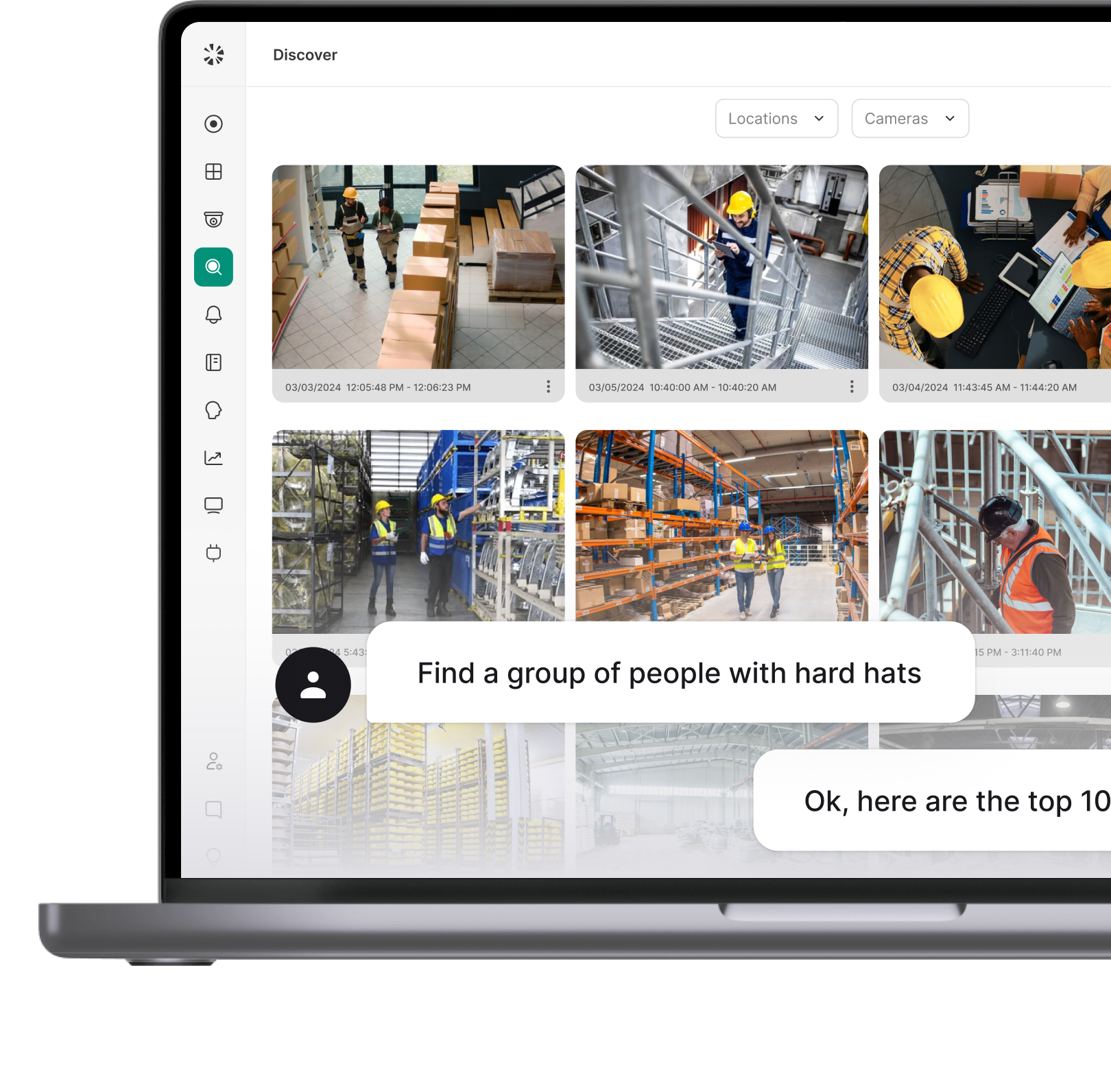
Coram is an AI-native physical security platform that connects to a district's existing cameras, readers, and locks to run video, access control, and emergency management from one dashboard. It treats those three functions as one platform instead of three separate vendor relationships. For a district IT or safety director, verifying entry in real time, detecting unauthorized access, and coordinating a response across campuses aren't three separate problems to be solved by three separate systems under three separate contracts. They're one problem, and Coram's access control is built to handle them that way.
That unification runs on the hardware a district already has installed, across every campus in the district. Access control, video security, emergency management, and guest management are four integrated product lines on one platform, managed from one interface, with no separate vendor contract for each function. Here's how that plays out:
- Works with existing hardware: deploys on existing readers, locks, and controllers. No capital spent on hardware replacement before the system goes live.
- Video-linked access events: door events are matched with synchronized video and identity context automatically.
- Remote lockdown and door control: every door across every campus can be secured from one interface in real time.
- Unified video, access, and emergency management: cameras, door events, alerts, reunification, and emergency workflows run in one system.
- Open integrations: connects with video systems, emergency management systems, and SIS platforms, including Clever, for real-time roster and authorization sync.
A district already fully bundled on Verkada cameras, access control, and intercom faces real switching costs to move off that stack. Coram is built for the opposite position: building or modernizing a safety stack without tying every function to one vendor's hardware, cloud, and subscription model. For a closer look at how the platforms compare beyond access control, see the Coram vs. Verkada guide.
Districts ready to evaluate Coram against their current requirements can book a demo to see how it fits.
District Access Control Readiness Checklist
Work through these items before committing to a vendor.
The vendors that pass this checklist today won't all still be the right fit after the next funding cycle, the next compliance update, or the next campus added to the district. The questions worth asking aren't just what a system does on day one, but what it costs to change course later, and who controls that decision when the time comes.




.png)