.webp)
A campus safety director at a mid-size university manages security across forty buildings, six residence halls, a handful of research labs that run unattended after midnight, and a football stadium that fills with sixty thousand strangers eight Saturdays a year.
There is no front door to this job, which is exactly the problem most visitor management systems aren't built to solve.
A K-12 school has one main entrance and a known population of children and approved adults. An office building has a lobby and a workday. A university has neither. It has open quads, public-facing event spaces, and buildings that need to stay accessible during the day and locked down at night, sometimes the same building.
That's what makes higher ed different from almost every other vertical security software gets built for.
The person who owns this problem usually also owns Clery Act reporting. Visitor activity isn't just an operations question, it's a compliance and liability one, and the answer has to hold up when there's an incident and someone asks who was in that building, and when.
The best visitor management for a campus verifies and tracks visitors at the buildings where it actually matters: residence halls, labs, admin offices, events. It ties that activity to the same system running cameras, access control, and emergency response. Coram's Guest Management does this inside one unified security platform, built so a flagged visitor or a propped door doesn't just get logged. It gets connected to a response.
TL;DR
- A campus has no single entry point, so visitor management needs to be deployed selectively at high-risk buildings, not assumed to cover everything the way one front desk would.
- The real evaluation criteria: watchlist screening, contractor and event-guest workflows, integration with existing access control and cameras, and a real tie to emergency response and Clery reporting.
- Coram's Guest Management runs inside the same platform as its video, access control, and emergency management, so a flagged visitor or a propped door shows up in one timeline, not three disconnected logs.
- Raptor brings two decades of K-12 screening depth and is the closest named competitor, but its product and customer base are still rooted in K-12, not higher ed.
- Envoy and iLobby solve real problems for single departments and regulated facilities, but neither is built for an open, multi-building campus.
How to Evaluate Visitor Management for a Campus
Higher education is structurally different from the environments visitor management software was originally designed for. A single building has one perimeter. A campus has dozens, some public-facing, some restricted, often within walking distance of each other. Residence halls need after-hours control that an admin building doesn't, research labs run unattended at 2 a.m., and athletic events bring in thousands of people who were never going to check in at a front desk in the first place.
That mix is why a single, campus-wide check-in point is the wrong mental model. The right question isn't "how do we check in everyone who sets foot on campus?" It's "where on this campus does unverified entry actually create risk, and how do we cover those points without building a system nobody uses?"
A few criteria separate a tool built for this from one that just happens to get sold to universities:
- Identity verification and watchlist screening, including sex-offender registry checks, at the buildings where it matters: residence halls, research facilities, administrative offices handling sensitive data.
- Contractor and event-guest workflows that don't require the same friction as a routine campus visitor, since contractors and event crowds have a completely different access pattern.
- Integration with the access control and camera systems already running on campus, rather than a parallel system that logs visitors in isolation.
- A real connection to emergency response and mass notification, since the Clery Act doesn't care whether the visitor log lives in a separate app from the door access log.
A departmental sign-in tool answers the first question for one office. A campus security platform answers it for the institution and gives the safety director one place to look when something goes wrong, instead of five.
Quick Comparison: Visitor Management Options for Campus Security Teams
Top Visitor Management Tools for Universities, Reviewed
Four tools come up consistently in this evaluation, each built for a different slice of the problem.
1. Coram Guest Management
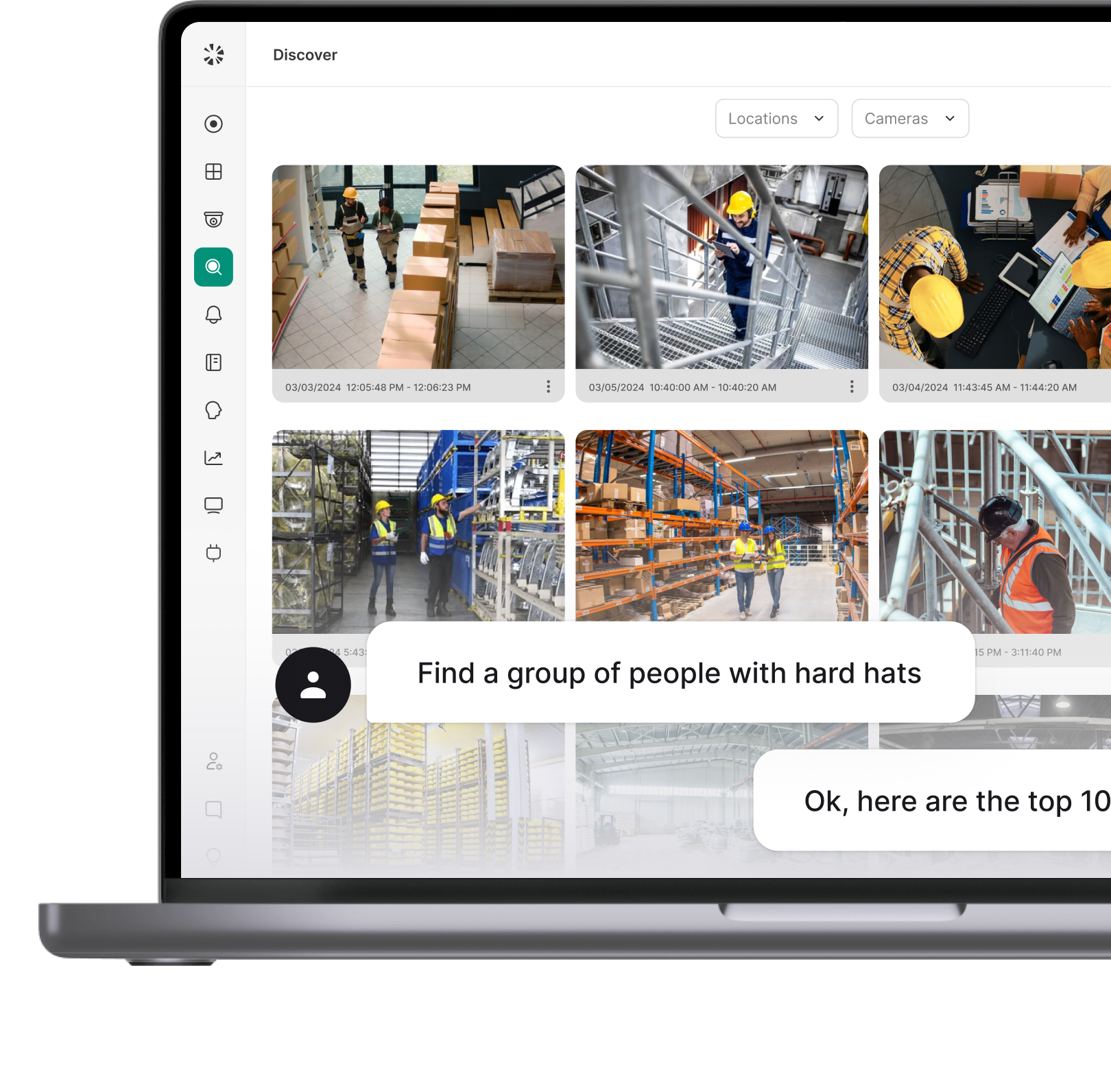
Coram Guest Management is a visitor and contractor screening system that runs inside Coram's unified security platform, connecting check-ins to the same video, access control, and emergency management covering the rest of campus. That platform connection is the differentiator that matters most for higher ed: a campus doesn't need another standalone check-in tool bolted onto buildings that already have cameras and door access running. It needs visitor activity to show up inside the system campus police already use, without ripping out the access control or camera infrastructure already installed.
A flagged visitor at a residence hall, a propped door at a lab, and a security camera catching unusual movement near an event entrance aren't three separate alerts living in three separate dashboards on Coram. They show up in one timeline, which means a safety director isn't piecing together what happened from systems that don't talk to each other. This is also part of Coram's broader Video Security, Access Control, and Emergency Management coverage for the rest of campus, all under one login.
Best for: campus safety and security directors who need verified check-in at the buildings that carry real risk, residence halls, labs, admin offices, and want that activity connected to the cameras and access control already running across the rest of campus.
Key capabilities
- Background and watchlist screening at check-in, including sex-offender registry checks
- Configurable blacklists and automated risk flagging, so a match triggers an alert instead of waiting for a human to notice
- Instant host or department notification when a guest checks in
- Badge printing on standard hardware
- A unified activity timeline that links visitor check-ins to access events and camera footage from the same buildings
Limitations
- Guest Management is strongest when deployed alongside Coram's own access control and video; campuses running a different access control vendor lose some of the unified-timeline advantage
- As a platform built across video, access, and visitor management together, it asks a campus to evaluate a broader system rather than a single-point tool, which is a longer sell for a department that only wants front-desk software
- Newer to the higher-ed market by name recognition than a K-12-rooted vendor like Raptor, so reference customers in this vertical specifically are still a smaller set
Pricing: Quote-based, scaled to campus size and building count.
See how Coram's Guest Management connects to the rest of your campus security stack.
2. Raptor Technologies
Raptor Technologies is a visitor screening and emergency management platform built for K-12 schools, with sex-offender registry checks and custom watchlist screening as its core strength. The company has built emergency management for K-12 schools for more than twenty years, and that depth shows in the maturity of its screening tools. Raptor beats Coram for an institution that wants proven, single-building screening with two decades of K-12 deployment behind it and doesn't need that screening tied into a broader access control or video platform.
Best for: institutions that want proven, K-12-grade visitor screening and emergency workflows and are comfortable working within a tool built primarily for that environment.
Key capabilities
- Real-time screening against sex-offender registries and custom, district-defined watchlists
- Raptor Emergency Management integration for visitor accounting and reunification during a crisis
- Syncs with student information systems for guardian and student record accuracy
- Differentiated workflows for parents, contractors, volunteers, and substitute staff
- Two decades of deployment experience and support infrastructure built specifically for school safety teams
Limitations
- Built around the K-12 model: one main office, one population of students and approved guardians, which doesn't map cleanly onto a multi-building, open campus
- No meaningful integration with broader access control or video systems, the way a unified platform offers
- Higher-ed presence exists but is secondary to Raptor's core K-12 customer base, so campus-wide workflows aren't the product's primary design point
- Kiosk and scanner hardware dependent, with less flexibility for covering multiple dispersed buildings at once
Pricing: Quote-based, scaled to district or institution size.
Envoy solves a narrower problem than either Coram or Raptor: a single department's front desk.
3. Envoy
Envoy is a workplace check-in platform built for a single office lobby, with a clean, brand-consistent kiosk experience and visitor badge printing. It built its reputation on workplace experience, and for a university's administrative office or a department that just wants front-desk software, it does the job well. Envoy beats Coram for a single department that wants a polished check-in flow and has no need to connect that activity to campus-wide security.
Best for: a single university department or administrative office that wants a polished front-desk experience and doesn't need it tied to broader campus security.
Key capabilities
- Fast, self-serve check-in with a clean, brand-consistent kiosk experience
- Host notification on arrival, with visitor badge printing
- Visitor agreements and NDAs built into the check-in flow
- Workplace-focused integrations (calendar, room booking, deliveries) that suit office environments
Limitations
- No meaningful access control integration at the building level, so check-in and door access remain separate systems
- No watchlist or sex-offender registry screening, which a residence hall or research building would need
- Nothing connects a visitor check-in to an emergency response or mass notification workflow
- Designed for one lobby at a time; covering a whole campus means stitching together a dozen disconnected instances with no shared, campus-wide view of who's on site
Pricing: Per-location subscription, quote-based.
iLobby takes the opposite approach from Envoy: maximum screening rigor, built for a single regulated facility rather than a campus.
4. iLobby
iLobby is a compliance-grade visitor screening platform built for regulated, high-security environments like pharmaceutical manufacturing or government facilities. That focus shows in its strength: rigorous watchlist screening and audit trails that hold up under scrutiny. iLobby beats Coram for a single research lab or regulated facility on campus that needs strict, auditable screening independent of the rest of campus security, but it has no path to covering a whole campus the way a unified platform does.
Best for: research or regulated facilities on campus that need strict, auditable visitor and contractor screening, independent of broader campus-wide security.
Key capabilities
- Compliance-grade watchlist screening with detailed audit trails
- Custom screening questions and document capture (NDAs, safety waivers) at check-in
- Contractor and vendor management workflows suited to regulated, high-risk facilities
- Strong reporting built for environments that face external audits
Limitations
- Kiosk-dependent, with the product centered on the check-in moment rather than ongoing campus-wide visibility
- No connection to a campus's video or access control systems, so a flagged visitor doesn't trigger any wider security response
- Built for a single regulated facility's compliance needs, not for coordinating visitor activity across dozens of buildings with different risk profiles
- Less suited to high-volume, low-friction situations like campus events, where the screening rigor that suits a research lab would create unworkable bottlenecks
Pricing: Quote-based, scaled to facility size and compliance requirements.
What Most Campuses Actually Use Instead: The Paper Sign-In Sheet
The option every other tool on this list is actually competing against isn't another software platform. On most campuses today, it's a clipboard at the front desk of an individual building, or a student worker waving people through.
It persists because it's free, familiar, and requires no rollout. Nobody has to learn new software, and no IT ticket has to be filed.
The cost shows up later. A paper log can't be searched in under a minute when campus police need to know who signed into a specific lab on a specific night. It doesn't flag a banned individual against a watchlist. It doesn't connect to anything, so when an incident crosses from one building to the next, there's no shared record showing who was where. For a Clery-accountable safety director, that gap is the actual liability.
How to Choose the Right Tool for Your Campus
The right tool depends on which problem you're actually solving, and for most campuses, it's rarely the whole campus at once.
If a single department wants a polished, low-friction front desk and nothing more, a workplace tool like Envoy covers it. If a research or regulated facility needs strict, auditable contractor screening independent of the rest of campus security, iLobby fits that narrow case well. If proven school-safety-grade screening and emergency workflows matter more than campus-wide platform integration, Raptor has the track record.
If the job is broader, verified visitor activity at the buildings that matter, connected to the cameras and access control already running across campus, and visible inside the same emergency response workflow campus police rely on, that's the problem Coram's Guest Management was built to solve.
A Campus Can't Be Locked Down. The Buildings That Matter Can.
An open campus was never going to have one front door, and trying to force that model onto a university is how most visitor management rollouts stall before they cover more than a handful of buildings.
The realistic goal is narrower and more useful: verified entry at the buildings where it actually matters, and a record of that activity that connects to the same cameras, access control, and emergency response campus police already rely on. That's the gap Coram's Guest Management is built to close, running video security, access control, and emergency management across the rest of the institution. When a visitor gets flagged at a residence hall or a door gets propped open after hours, it shows up in one place, not three.
Talk to Coram about coordinating visitors, access, and emergency response across your campus.




.png)