Data center access control is the system of physical barriers, credentials, authentication, and monitoring that restricts facility entry to authorized personnel, from the perimeter gate to the server cabinet.
The question in 2026 is whether the system running it today can actually keep up. The global AI buildout is driving a surge in new data center capacity. Denser workloads, higher-value compute, and stricter compliance expectations mean the physical security bar is rising faster than most legacy systems were designed to handle.
This guide covers what modern data center access control looks like in practice: the four physical layers, the core technologies, compliance requirements, common failure patterns by facility type, and what separates a platform worth deploying from one that creates more overhead than it removes.
TL;DR
- Data center access control protects everything from perimeter gates to server cabinets through layered credentials, authentication, and monitoring.
- Card readers alone are no longer sufficient. Leading facilities now combine video verification, AI alerts, and cloud-managed access controls.
- The most common failure points are tailgating, stale permissions, contractor access gaps, and weak audit trails.
- The right platform improves both security and operations: multi-factor authentication, zoned access, centralized management, and faster incident investigation.
- Coram unifies access control, video intelligence, and response workflows without requiring a full hardware replacement.
The Four Layers of Data Center Physical Access Control
Modern data center security works in depth. A single front-door checkpoint is not a security posture — it is a single point of failure. Leading facilities layer controls from the perimeter inward, with tighter authentication requirements at each stage, so that bypassing one layer does not compromise the next.
Layer 1: Perimeter Controls Stop Threats Before They Reach the Building
The perimeter is designed to intercept unauthorized access before anyone reaches the front door. Controls include fencing, barriers, gates, lighting, and outdoor cameras that deter intrusion and monitor vehicle movement.
Common failures at this layer are blind spots in camera coverage, weak visitor screening, and ungated vehicle access. Effective perimeter security in 2026 means monitored entry points with clear audit records and consistent visibility across parking areas and loading docks.
Layer 2: Facility Entry Verifies Identity
Building entry is where facilities confirm who should be allowed inside. Reception desks, turnstiles, mantraps, and badge readers create a controlled boundary between public and secure space.
Common failures include badge sharing, tailgating through controlled doors, and visitor management gaps. The right controls here include multi-factor verification at entry, escorted visitor workflows, and immediate alerts for forced or propped doors.
Layer 3: Data Halls Require Zoned Permissions
Not everyone who clears building entry belongs in the compute space. Data halls, server rooms, and white space require tighter permissions based on role, shift, or approved task, not just employment status.
Common failures include over-permissioned staff, no zone separation between administrative and technical areas, and access lists that go unreviewed for months. Effective controls include MFA access, time-based permissions, and dual authorization for the highest-risk zones.
Layer 4: Cabinets Protect the Final Asset
Rack and cabinet controls secure the hardware itself. Electronic cabinet locks, key management systems, and rack sensors create accountability at the point closest to critical equipment.
Common failures include shared physical keys, unlocked cabinets during maintenance, and access events that generate no log. Every cabinet opening should be tied to a named credential, a timestamp, and a recorded event.
Each layer reduces risk before threats reach the next one. If one control is bypassed, another still stands in the way, which is why layered access control consistently outperforms any single-checkpoint approach.
Core Technologies in a Modern Data Center Access Control System
A badge reader alone is insufficient for facilities managing critical infrastructure. Modern data center access control depends on connected technologies that verify identity, secure entry points, create audit trails, and respond to threats in real time.
OSDP vs. Wiegand
OSDP (Open Supervised Device Protocol) is increasingly preferred for new deployments because it supports encrypted, two-way communication between readers and controllers. Many existing facilities still run Wiegand, which lacks modern security protections and operates on one-way communication only.
For facilities planning a security modernization, OSDP compatibility is worth prioritizing. Any platform under evaluation should support both standards, since most facilities will manage a transition period where both reader types coexist.
Video Integration and Access Logs Work Better Together
Access logs show that a door opened. Integrated video shows who entered, whether tailgating occurred, and what happened next. That context is what security teams need to investigate incidents quickly and reduce time spent chasing false alarms. A system that keeps access events and camera footage in separate platforms makes every investigation harder than it needs to be.
Centralized Cloud Management for Multi-Site Operations
Operators managing multiple data centers, edge sites, or regional facilities need one place to handle permissions, alerts, logs, and policy updates. Centralized management reduces manual overhead and improves consistency across locations. It also makes audit preparation faster: instead of pulling logs from multiple disconnected systems, teams can export unified records from a single interface.
Compliance and Standards for Data Center Access Control
SOC 2, ISO/IEC 27001, NIST SP 800-53, and ANSI/TIA-942 all require documented physical access controls, zone restrictions, and audit evidence. For data centers, meeting these frameworks is not a separate initiative; it runs through the same systems that manage daily access: the doors, the logs, the credential reviews.
SOC 2 and ISO 27001 do not specify which authentication technology to use. They require documented controls, access restrictions, and audit evidence. Any platform under evaluation should make it straightforward to export access logs, demonstrate permission reviews, and respond to auditor requests without significant manual preparation.
Common Access Control Challenges in Data Centers
The hardest part of data center access control is not choosing the right technologies. It is keeping controls consistent and current while operations keep moving.
Tailgating remains a structural problem. Even facilities with badge readers and checkpoints deal with tailgating, especially during shift changes, deliveries, or busy maintenance windows. A single staffed checkpoint is not enough. Effective tailgating prevention combines turnstiles or mantraps at high-traffic entry points with video analytics that flag when multiple people enter on a single credential event.
Permissions outlast their purpose. Access that was correct six months ago may be a risk today. Employees change roles, contractors finish projects, vendors rotate out. In many environments, access removal still depends on manual requests, which means unnecessary credentials stay active for weeks. Automated lifecycle management, where permissions expire or trigger a review when employment status changes, closes this gap more reliably than any manual process.
Zone complexity creates over-permissioning pressure. Most data centers have multiple restricted areas: reception zones, data halls, cages, meet-me rooms, network rooms, and cabinets. Keeping permissions appropriately scoped across all of them is operationally demanding. Platforms that make role-based access assignment and review easy will maintain tighter controls over time than those requiring manual permission management for each user.
Visitor and contractor access is a persistent gap. Temporary workers, vendors, and customer representatives often need short-term access. Without clear approval workflows, escort processes, and automatic expiration, temporary access becomes permanent by default.
Colocation facilities carry additional complexity. In colocation environments, multiple customers may share the same building while expecting strict separation of access rights and activity logs. Managing tenant-specific access without overlap requires systems designed for multi-tenant permission models, not just multi-site management.
Hardware failures create security gaps at the worst moments. Readers, electronic locks, cameras, and backup power systems can all fail. Secure fallback procedures, including offline credential validation and documented emergency unlock processes, are essential in uptime-sensitive environments.
How Data Center Access Control Differs by Facility Type
Colocation, enterprise, and hyperscale data centers have meaningfully different access control requirements. The core goal is the same (allow only authorized access), but the operating model shapes what effective implementation looks like.
Colocation facilities must keep each tenant's people, equipment, and activity records strictly separate. Detailed logs and controlled visitor access are not optional features. They’re what tenants are paying for.
Enterprise data centers typically support one organization's internal workloads. The focus is tighter employee access control, fast joiner-mover-leaver updates, and demonstrable compliance during audits.
Hyperscale operators manage very large footprints with repeatable standards. Access control at this scale depends heavily on automation and centralized policies that can push consistent updates across dozens of facilities at once.
The operating model should shape the platform shortlist before specific features do. A colocation provider, enterprise operator, and hyperscale company may all need rigorous physical security, but they need it delivered in very different ways.
What to Evaluate When Choosing an Access Control System
Choosing an access control system for a data center is an infrastructure decision, not a procurement exercise. The platform a team selects will shape how security operates, how quickly incidents get investigated, and how much overhead lands on IT for the next five to ten years.
Start with the Facility Model
The operating model — colocation, enterprise, or hyperscale — should determine the shortlist before features do. A platform built for single-site enterprise deployments will not handle multi-tenant permissions at the scale a colocation provider needs.
Evaluate Layered Security Coverage
A platform that only handles badge readers at the lobby will fall short inside higher-security zones. Look for controls that address perimeter entry, building access, restricted rooms, and cabinet-level accountability across the full facility.
Check Authentication Flexibility
Identity verification should match the sensitivity of each zone. Basic areas may need only credentials; data halls typically need multi-factor authentication — badge and PIN or badge and biometric. A platform that forces the same authentication method across all zones either over-secures low-risk areas or under-secures critical ones.
Assess Integration Depth
Access control works better when it connects with cameras, alarms, visitor management, identity directories, and reporting tools. Integrated systems reduce manual work and speed up investigations. A door event paired with synchronized video and timestamps turns an access log into usable incident evidence.
Test Day-to-Day Management Overhead
Security teams live with the platform long after procurement closes. The real test is operational: how quickly can the team add or remove users, update access rights, pull logs for an incident, and manage multiple sites from one interface? Platforms that make routine operations slow or manual create compounding risk over time.
Plan for Outages
Data centers cannot rely on systems that go offline during power or network interruptions. Backup power support, offline credential validation, and tested emergency unlock procedures are essential, not optional.
Think Past Today's Footprint
The right system should scale with new sites, added racks, more contractors, and tighter compliance demands. Replacing a platform early because it couldn't scale almost always costs more than choosing a scalable one from the start.
How Coram Handles Data Center Access Control
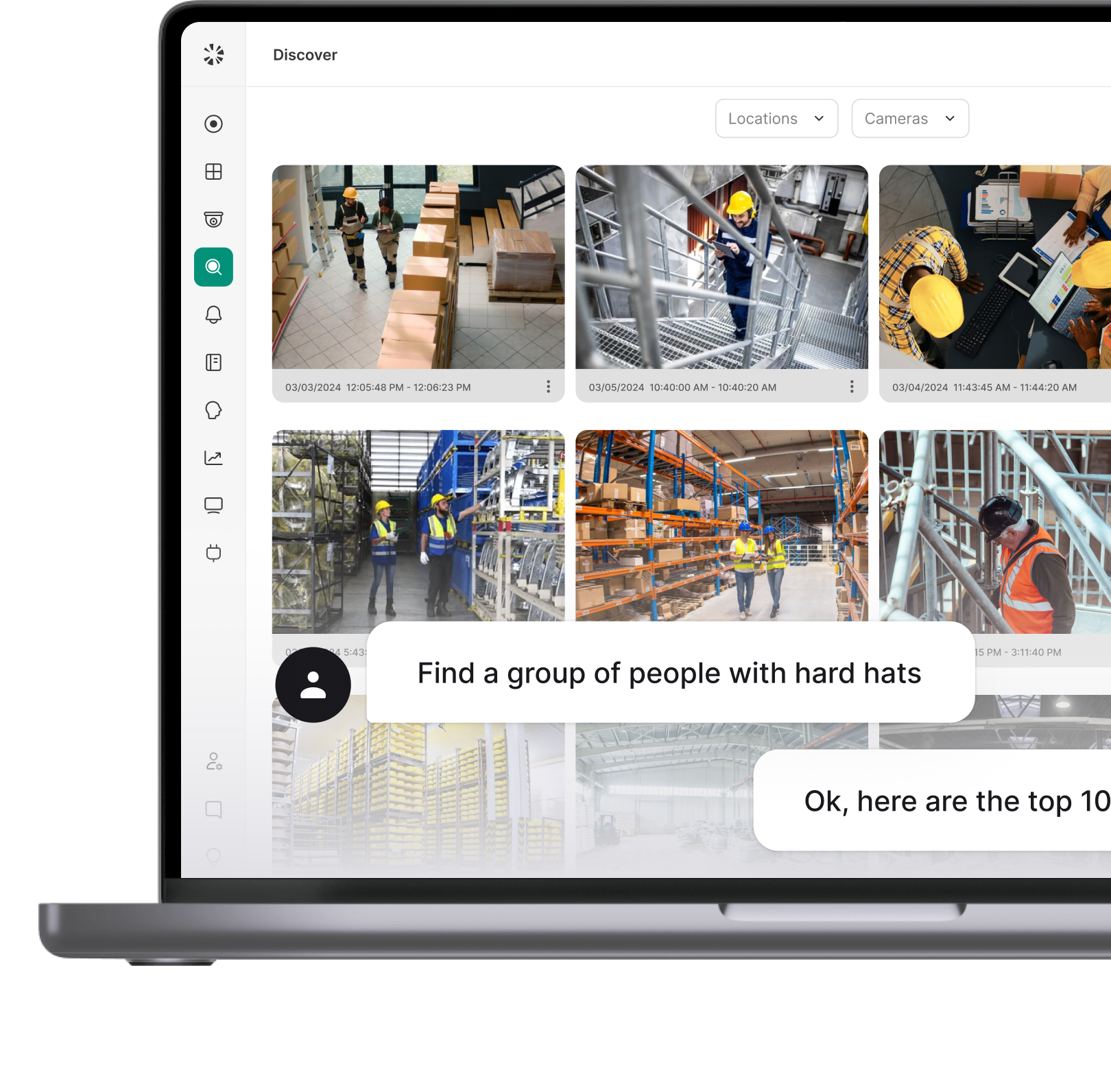
Coram is an AI-native physical security platform that unifies access control, video surveillance, and emergency management in a single dashboard. It works with most existing IP cameras, Wiegand readers, and OSDP readers without requiring a hardware replacement.
Replacing readers, locks, and cameras across a live facility is disruptive and expensive. Coram connects to what's already installed and adds AI-powered detection and centralized management on top. Teams get a modern security posture without the cost and downtime of a full infrastructure swap.
The unified platform removes one of the most common friction points in data center security: the gap between access logs and camera footage. When a door is forced open, left propped, or accessed after hours, Coram automatically links the access event to the related video. Security teams can review exactly what happened without switching between systems or manually correlating timestamps.
Coram's AI detection layer adds capabilities beyond what access logs alone can provide. It identifies tailgating, flags unusual after-hours movement, detects forced-entry anomalies, and surfaces possible credential misuse, giving teams earlier warning of problems that would otherwise surface only after an incident is complete.
For teams managing multiple sites, all locations are manageable from a single interface. Permissions, alerts, logs, and policy updates do not require on-site access. Coram is SOC 2 Type II certified, which directly supports compliance requirements under frameworks like SOC 2 and ISO 27001. Audit-ready reporting exports access records with linked video evidence, reducing the time required to respond to auditor requests.
Key capabilities relevant to data center operations:
- Unified access control and video management in one system, eliminating the gap between door events and camera footage
- Compatible with Wiegand and OSDP readers, existing IP cameras, and current lock hardware — no rip-and-replace required
- Automatic video linked to door events for faster incident investigation
- AI detection for tailgating, after-hours movement, forced entry, and credential anomalies
- Centralized multi-site management from one dashboard
- SOC 2 Type II certified, with audit-ready access logs and linked video evidence
- SSO, MFA, and TLS support for enterprise security governance
Modern Data Centers Need More Than a Locked Door
Physical security has always been the foundation layer. If it fails, every digital control above it is harder to trust. What has changed is the standard for what "not failing" means.
Card readers and access logs are table stakes now. The facilities setting the standard are connecting access control with live video, AI detection, and centralized management so that security is proactive rather than reactive, and investigations take minutes rather than hours. For teams modernizing security infrastructure, the most durable decision is choosing a platform built for how data centers actually operate today, not one that requires a full hardware replacement to get there. See how Coram handles it.




.png)